Natural Flake Graphite: Complete Technical Specification, Material Properties & Industrial Application Guide
Natural Flake Graphite: Complete Technical Specification, Material Properties & Industrial Application Guide
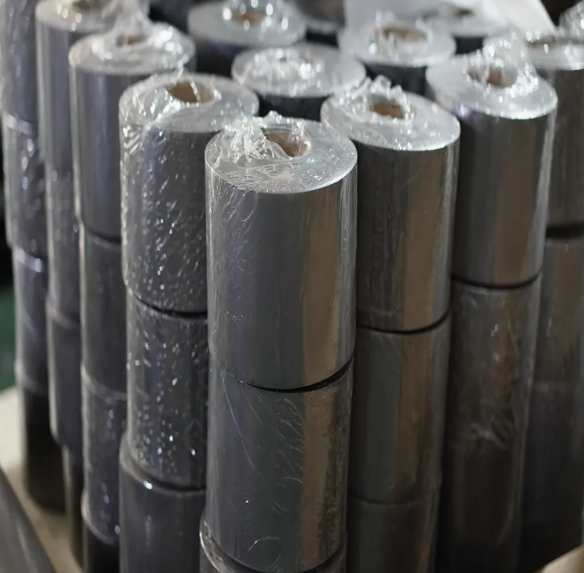
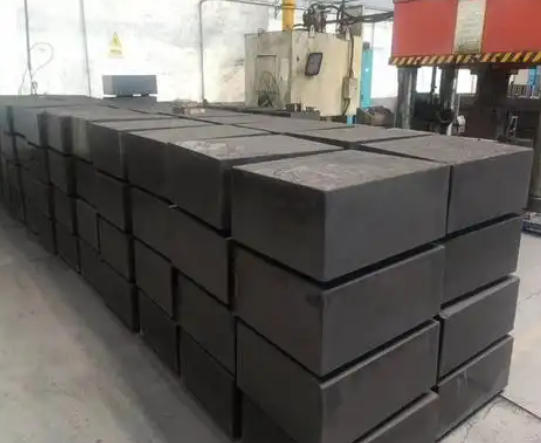
Natural flake graphite is a naturally occurring crystalline carbon material known for its layered structure, plate-like particle morphology, lubricity, conductivity, and thermal stability. Because its carbon layers are arranged in a lamellar form, the material is widely used in industrial systems that require heat resistance, lubrication performance, conductive support, or further graphite processing. As a reliable supplier of industrial graphite materials in China, QDZRT provides natural flake graphite in multiple carbon grades and particle size ranges for global customers.
What is Natural Flake Graphite?
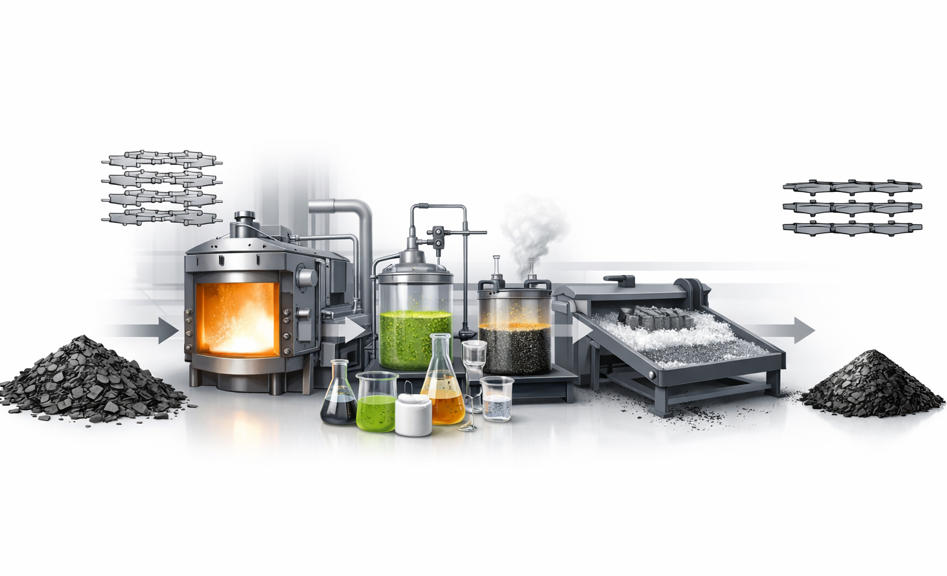
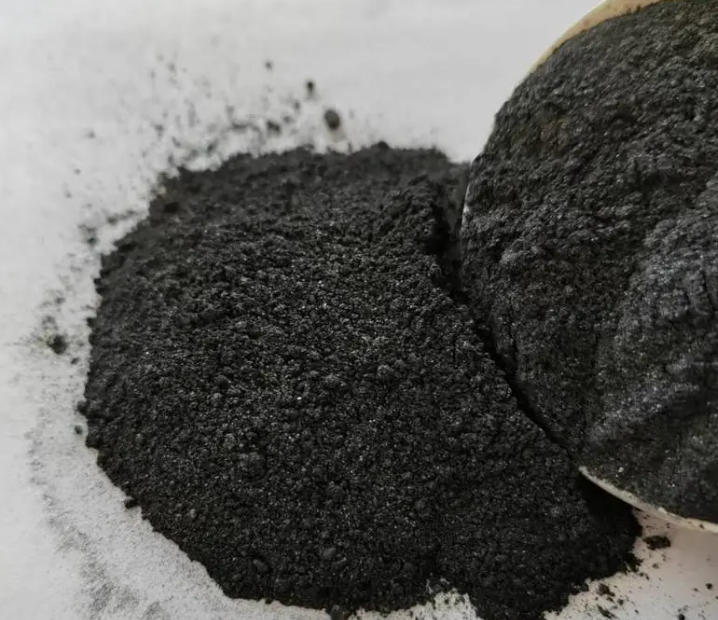
Natural flake graphite is a crystalline form of natural graphite typically obtained through ore beneficiation, purification, screening, and grading. It is called flake graphite because the material usually appears as plate-like or layered particles with a distinct lamellar structure. In practical industrial use, this morphology matters because flake size, particle integrity, and carbon grade can directly influence lubrication, thermal resistance, conductivity, and downstream process suitability.
Compared with more engineered graphite materials, natural flake graphite is often selected when users need a practical balance of performance, raw material versatility, and cost control. Depending on grade and particle size, it can be used directly in refractory and lubrication systems, or further processed for products such as Expandable Graphite, micronized graphite powder, and other graphite-based industrial materials.
Refractory Materials
Coatings
Core Technical Parameters of Natural Flake Graphite
| Parameter | Typical Value | Available Range |
|---|---|---|
| Carbon Content | 90% – 99% | 80% – 99.9% |
| Particle Size | +50 mesh / +80 mesh / -100 mesh | Customized according to application |
| Moisture | ≤ 0.5% | Depends on grade |
| Ash Content | Depends on carbon grade | Customized according to purification route |
| Bulk Form | Flake / screened material | Customized according to downstream processing |
| True Density | Approx. 2.09 – 2.23 g/cm³ | Depends on material characteristics |
Technical values may vary depending on raw material source, purification level, particle size processing, and final industrial use. For B2B procurement, buyers should focus on carbon content, flake size distribution, moisture, ash level, and downstream compatibility rather than relying on a single number alone.
Key Material Properties & Performance Advantages
Stable High-Temperature Performance
Natural flake graphite is widely used in heat-related industrial systems because of its carbon structure and good thermal resistance. In refractory and foundry environments, it can support thermal stability and improve process reliability.
Layered Structure with Excellent Lubricity
Because natural flake graphite has a lamellar crystal structure, its layers can slide relative to each other more easily than many non-layered mineral materials. This is one of the reasons why it is valued in lubrication, friction materials, and selected sliding systems.
Good Conductive and Thermal Transfer Potential
Natural flake graphite can also provide conductive and heat-transfer value in selected industrial systems. Final performance depends on grade, purity, particle size, and downstream design, but it remains an important upstream material in conductive compounds and carbon-based industrial formulations.
Strong Adaptability for Downstream Processing
Natural flake graphite is not only a direct-use raw material, but also an important feedstock for further graphite processing. Depending on flake structure and carbon grade, it can support downstream routes such as expansion treatment, micronization, purification, and formulation use.
How to Select the Right Natural Flake Graphite Grade for Your Application?
To select a suitable grade, buyers should first confirm the real working environment, including temperature, atmosphere, oxidation exposure, and media conditions. Then they should clarify whether the application is more sensitive to carbon purity, flake size, lubrication behavior, conductivity, or expansion compatibility.
- Confirm your operating environment, including heat, atmosphere, and chemical exposure conditions
- Define whether purity, flake size, lubrication, conductivity, or expansion suitability matters most
- Clarify particle distribution and process compatibility requirements
- Evaluate long-term cost-performance ratio for stable production use
If you have doubts about grade selection, contact our technical team for one-on-one guidance tailored to your specific application.
Common Industrial Applications of Natural Flake Graphite
Refractory and Foundry Industry
Natural flake graphite is commonly used in refractory products, foundry additives, crucible-related systems, and other high-temperature materials where heat resistance and process stability matter.
Lubrication and Friction Materials
Its layered structure and natural lubricity make it suitable for industrial lubricants, friction products, and systems that benefit from reduced friction and more stable contact behavior.
Expandable Graphite Production
Selected grades of natural flake graphite can be used as raw materials for expandable graphite processing, especially where flake morphology and material consistency affect expansion quality.
Conductive and Carbon-Based Industrial Formulations
Natural flake graphite is also used in conductive compounds, carbon material systems, and selected industrial formulations that require a practical balance of conductivity, thermal stability, and cost control.
Why Choose QDZRT’s Natural Flake Graphite?
- Multiple carbon grades and particle size options for different industrial uses
- Application-based material matching for refractory, lubrication, and graphite processing routes
- Stable supply support with export-oriented packaging
- Responsive technical communication for grade confirmation and quotation
If you are looking for a reliable natural flake graphite supplier for your industrial project, contact QDZRT today. We can provide technical data, grade suggestions, and quotation support based on your application requirements.