
Conductive, Antistatic, and Functional Materials
QDZRT Graphite supplies graphite materials and drawing-based custom parts for this application. We support material selection, machining review, inspection planning, packaging and delivery for procurement projects.
Graphite is widely used in conductive, antistatic, and functional material systems because it combines electrical conductivity, stable carbon structure, and practical formulation flexibility. In many industrial applications, the material is not selected as a generic graphite powder, but as a conductive or functional additive that must match particle form, purity level, dispersion behavior, and end-use performance requirements.
QDZRT Graphite supplies natural flake graphite, micronized graphite powder, high purity graphite powder, and synthetic graphite powder for conductive plastics, antistatic rubber, electronic fillers, coatings, and other functional material applications. We supply upstream graphite materials for formulation work and grade options matched to conductivity targets, particle size, and system compatibility.
Conductive, Antistatic & Functional Material Applications
Our graphite powders and flake materials are commonly used in formulation-based systems where conductivity, antistatic performance, or other functional material properties are required.
Conductive Plastics
Graphite used as a conductive filler in plastic compounds where controlled electrical properties and formulation compatibility are important.
Antistatic Rubber
Graphite powder and flake materials added to rubber systems to reduce static buildup and improve surface conductivity.
Electronic Fillers
Graphite materials used in electronic compounds, conductive layers, and formulation options where stable carbon-based conductivity is required.
Functional Composite Systems
Graphite incorporated into material systems that require combined conductivity, lubricity, processability, or other functional characteristics.
Why Work with Our Team for Conductive & Friction Additives
Graphite remains important in conductive and functional materials because it offers a practical balance of conductivity, powder-form flexibility, and industrial usability across many formulation systems.
Electrical Conductivity
Graphite is widely used where the material system requires conductive pathways or antistatic behavior.
Particle Form Flexibility
Different graphite forms, including flake and micronized powder, support different formulation options and performance targets.
Functional Filler Performance
Graphite can serve not only as a conductive additive but also as a functional filler in multi-property material systems.
Antistatic Capability
In many compounds, graphite is used to reduce static accumulation and improve controlled conductivity.
Compatibility with Multiple Matrices
Graphite can be used in plastics, rubber, coatings, composites, and other industrial formulations when the material option is selected properly.
Material Selection Options
Natural flake, micronized, high-purity, and synthetic graphite options allow material selection according to performance, cost, and processing needs.
Available Graphite Powder Supply Options
We supply natural flake, micronized, high-purity and synthetic graphite powders for conductive and functional formulations. Send the conductivity target, matrix system, particle-size or purity requirements and quantity so we can review available grades and quotation.
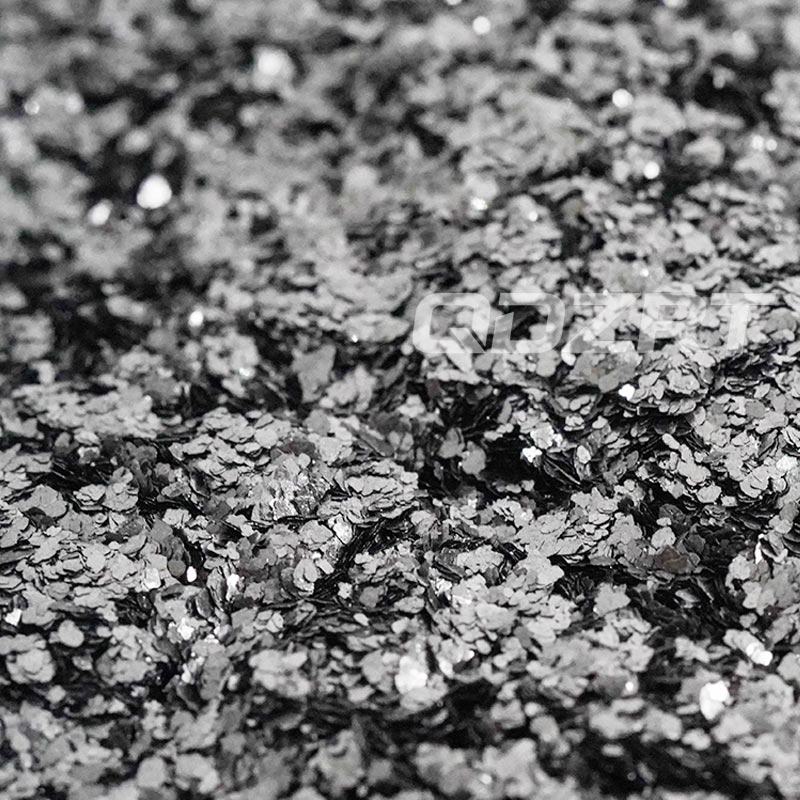
Natural Flake Graphite
Natural flake graphite is available for conductive and functional formulations where flake structure and material economics both matter.
- Suitable for conductive and functional filler applications
- Flake structure relevant to formulation behavior
- Useful in plastics, coatings, and composite systems
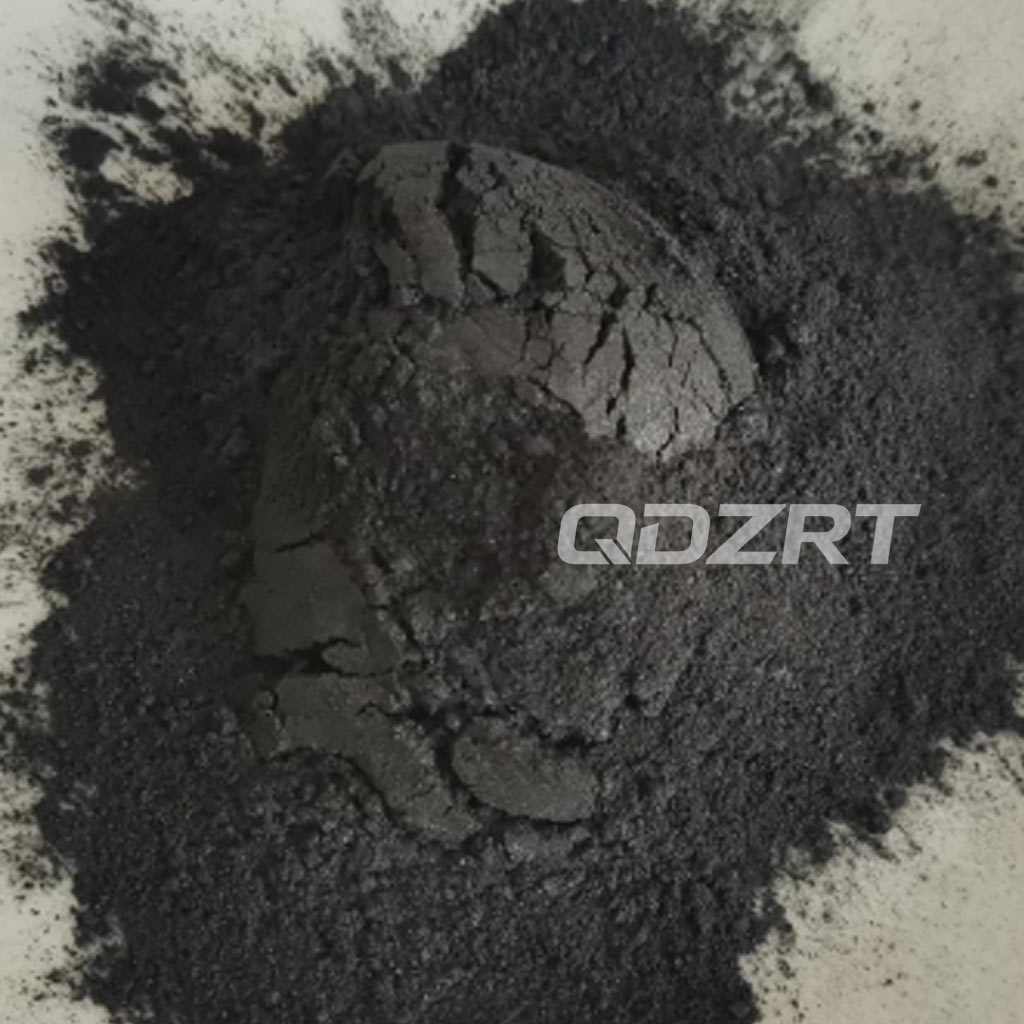
Micronized Graphite Powder
Micronized graphite powder is the more suitable option for systems that need finer particle distribution, improved dispersion behavior, or formulation-oriented powder handling.
- Better for finer powder applications
- Suitable for coatings, plastics, and functional compounds
- Supports formulation flexibility and dispersion needs
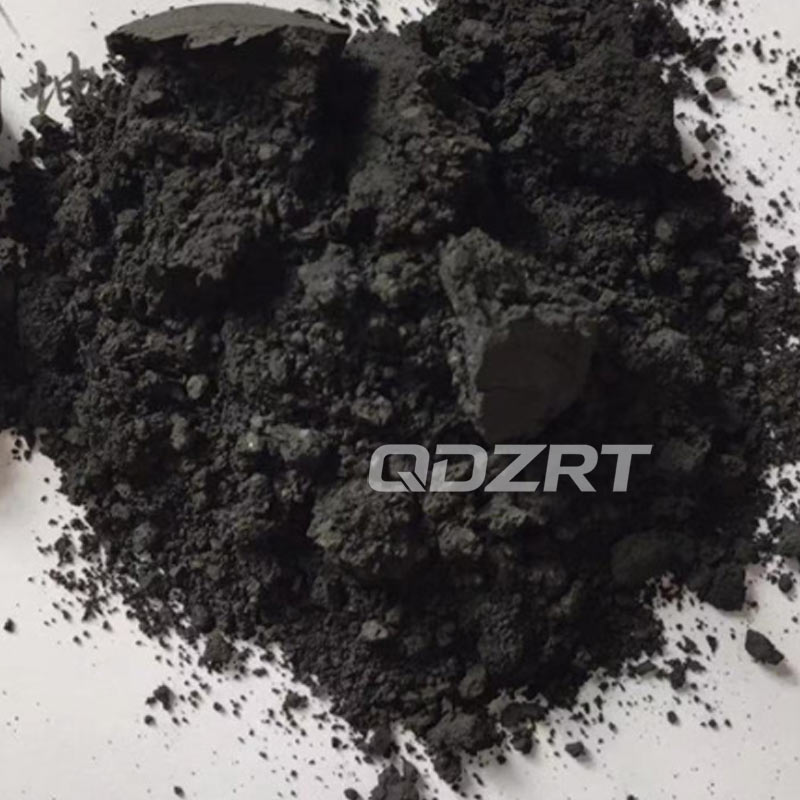
High Purity Graphite Powder
High purity graphite powder is more suitable where the application requires tighter impurity control or cleaner material conditions within conductive and functional systems.
- Better for purity-sensitive material systems
- Suitable for selected electronic and functional applications
- Supports controlled material requirements
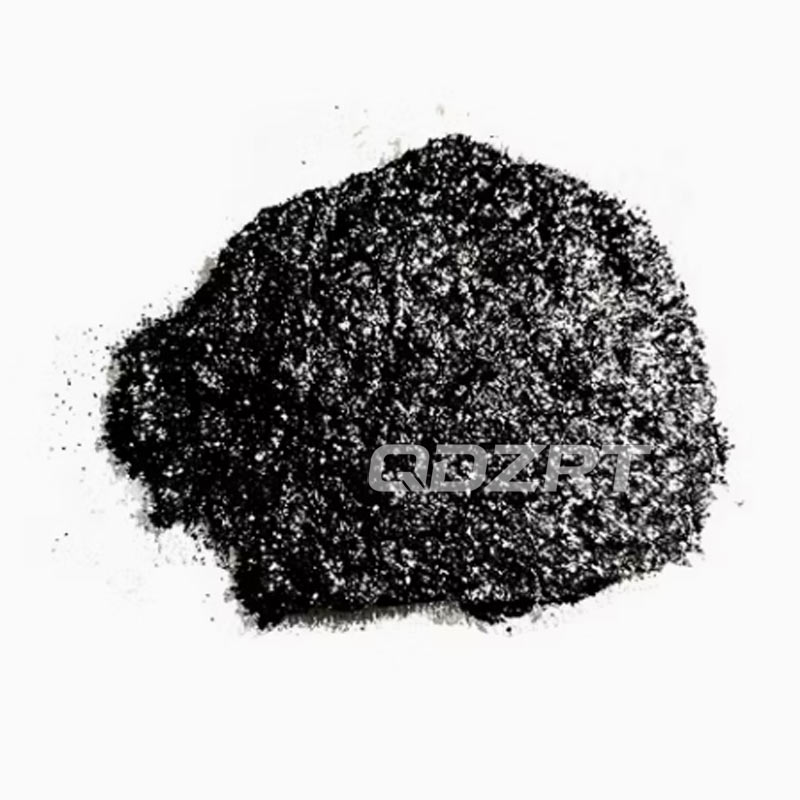
Synthetic Graphite Powder
Synthetic graphite powder is available for engineered conductive formulations that require a different consistency and performance balance.
- Suitable for conductive and antistatic formulation options
- Often selected for engineered powder systems
- Useful when comparing natural and synthetic graphite options
Key Formulation & Performance Factors
Conductivity Target
The required electrical performance strongly influences which graphite option is appropriate.
Particle Size and Shape
Flake structure, powder size, and particle distribution affect dispersion and final material behavior.
Purity Requirement
Certain formulations require tighter control of ash, impurities, or contamination risk.
Matrix Compatibility
Plastic, rubber, coating, or composite systems may respond differently to the same graphite option.
Dispersion and Processing Method
The formulation process and mixing conditions should be considered before selecting the material.
Technical and Commercial Fit
Material selection balances conductivity, processability, availability, supply consistency, and project cost against the approved application requirements.
How We Engineer & Supply Your Functional Material Options
From functional target and matrix review to graphite material selection, dispersion requirements, specification review, quality control, packaging, and supply planning, our team supports formulation projects through each procurement stage.
- Confirm whether the project is conductive, antistatic, or multi-functional
- Define the target matrix, such as plastic, rubber, coating, or composite
- Confirm which graphite form or powder option is under evaluation
- Review conductivity, purity, and dispersion requirements
- Check formulation method and production scale
- Confirm packaging, quantity, and supply requirements
Application Requirements We Review
For Conductive Plastics
We commonly review flake and micronized options against conductivity targets and compound-processing behavior.
For Antistatic Rubber
Particle distribution and formulation compatibility are often key to stable antistatic performance.
For Electronic Fillers
Purity, powder consistency, and conductive behavior may carry greater weight.
Functional Compound Requirements
For functional compounds, send the conductivity target, processing constraints and commercial requirements so we can review available powder options.
Conductive & Functional Material FAQs
What graphite materials are commonly used in conductive applications?
Natural flake graphite, micronized graphite powder, high purity graphite powder, and synthetic graphite powder are all used in conductive and functional material systems depending on the formulation target.
How is micronized graphite powder different from natural flake graphite?
Micronized graphite powder is generally more suitable for finer powder options and dispersion-focused systems, while natural flake graphite is often selected where flake structure is relevant to formulation behavior.
When should I consider synthetic graphite powder instead of natural graphite?
Synthetic graphite powder is considered when the application requires a different consistency or engineered performance balance in conductive and antistatic systems.
Can graphite be used in both plastics and rubber systems?
Yes. Graphite is widely used in plastics, rubber, coatings, and composite systems when the appropriate material option is selected.
What should be confirmed before selecting a conductive graphite material?
For quotation and material matching, please provide the conductivity target, particle size, purity level, matrix compatibility, dispersion needs, and formulation process.
Do you support industrial bulk supply for graphite powder materials?
Yes. We can support industrial powder supply for conductive, antistatic, and functional material applications.
Quality Control Support
Material consistency and final checks help support stable powder supply for formulation-based industrial applications.
Multiple Powder Options
Support is available for flake, micronized, high-purity, and synthetic graphite options.
Application Matching
We can recommend material options based on conductivity requirements, matrix type, and formulation needs.
Export Supply Coordination
Packaging and delivery support can be arranged for industrial powder and bulk material orders.
Need Help with Your Conductive or Functional Material Project?
Send your formulation goals, conductivity requirements, material specification and quantity. We will review available graphite grades and supply forms, then confirm quotation options for the project.