SOLUTION
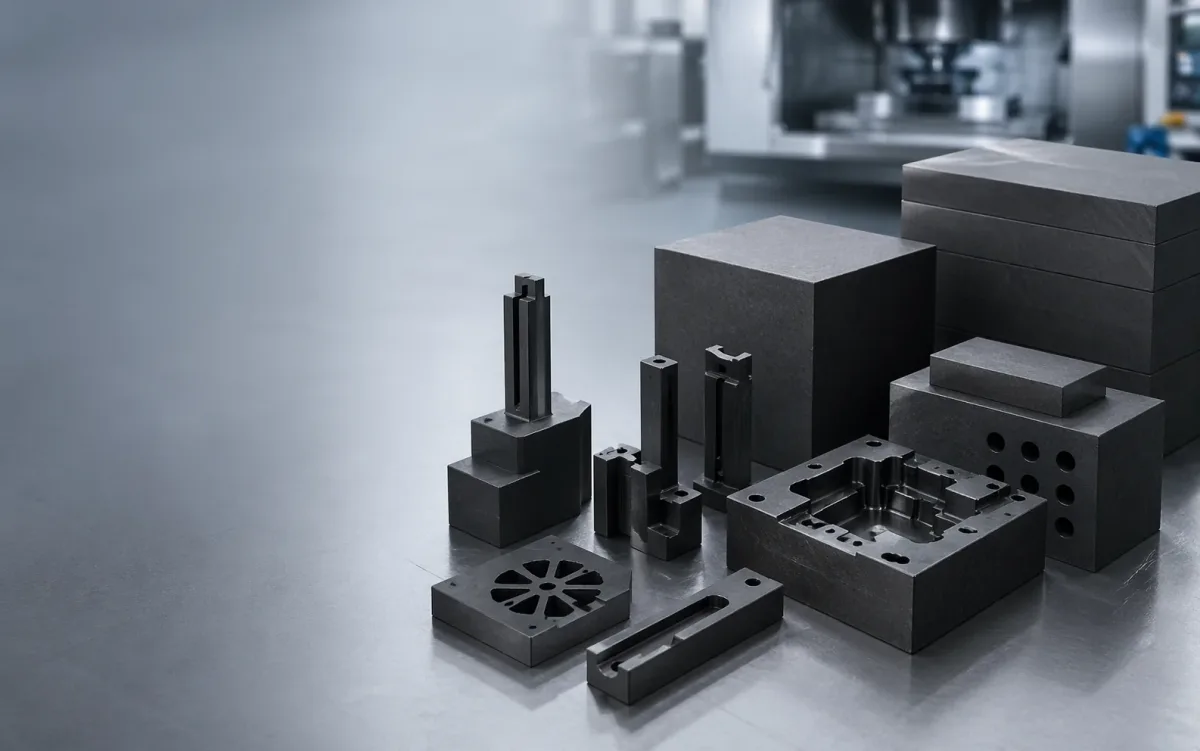
EDM Tooling
Graphite materials and custom parts for EDM electrodes, tooling blocks, and precision machining applications.
Learn More
QDZRT Graphite supplies graphite materials and custom graphite parts for EDM tooling, sealing systems, thermal management, conductive materials, protective coatings, and battery-related applications.
Select an industry or application to review available graphite product forms, custom machining options and the information needed for quotation.
Graphite materials and custom parts for EDM electrodes, tooling blocks, and precision machining applications.
Learn More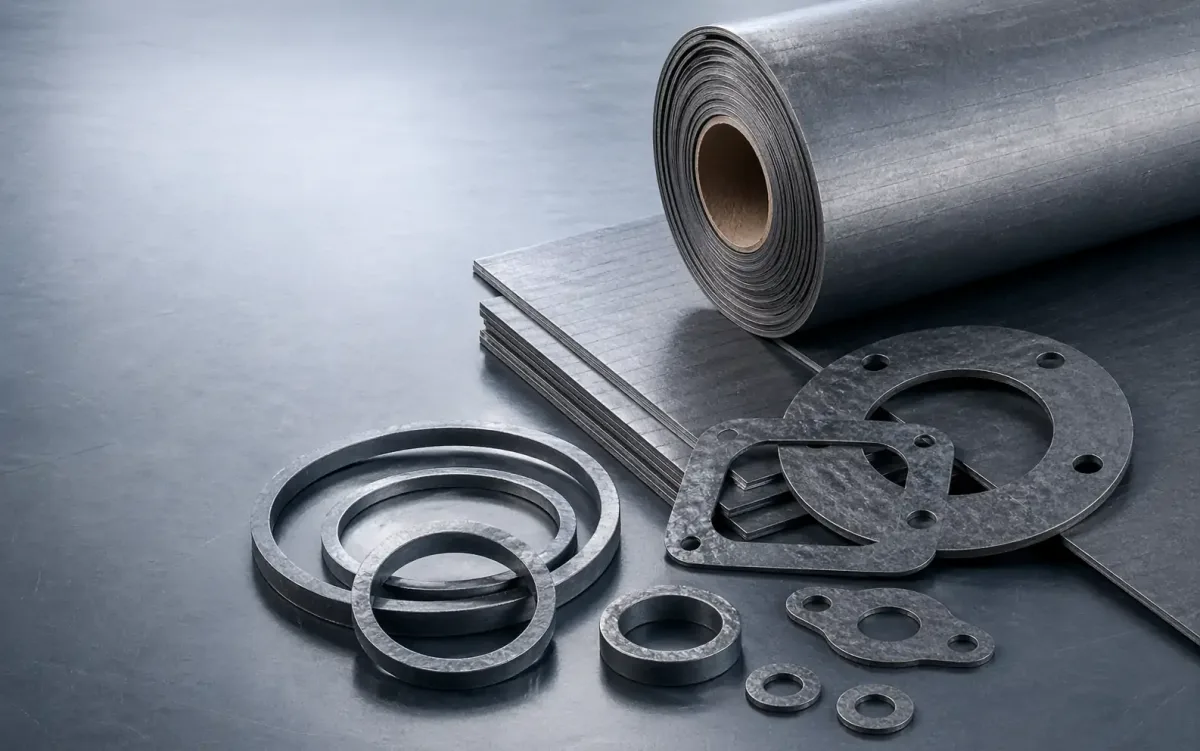
Graphite sealing materials and flexible graphite sheet for industrial gaskets, flange sealing, valve and pump seals, and custom-cut components.
Learn More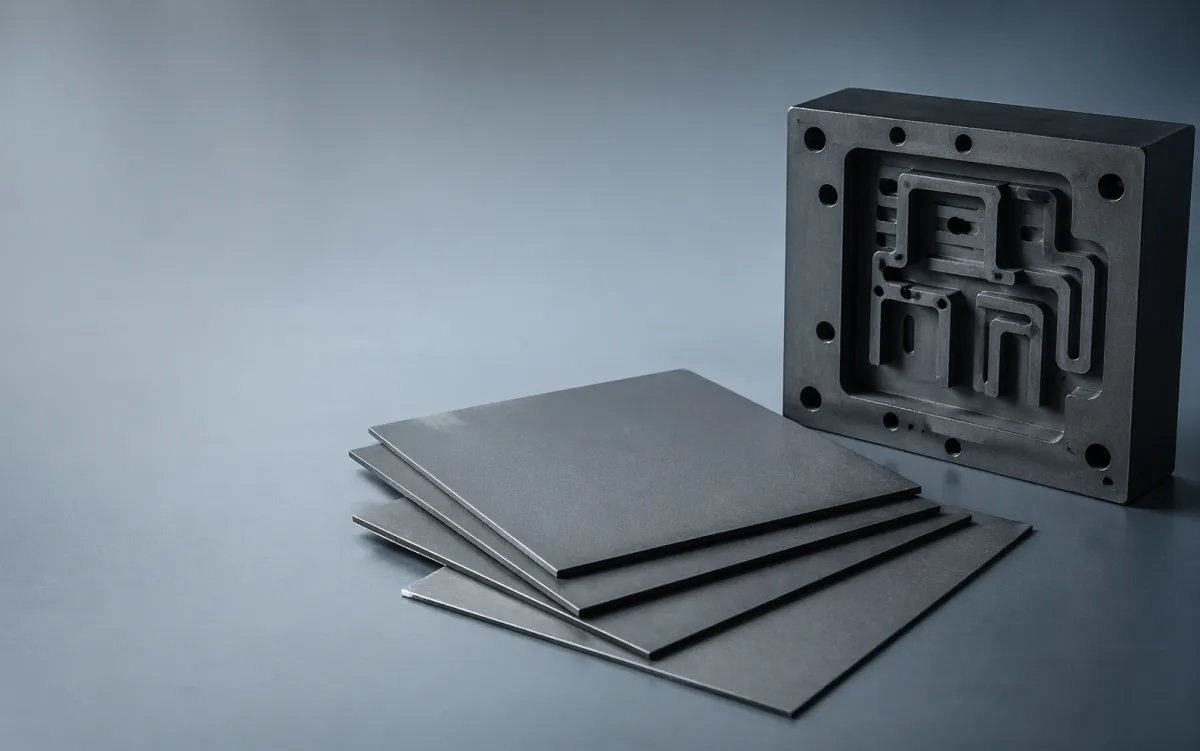
Graphite materials for heat spreading, thermal management, and high-temperature processing, including flexible graphite sheet, graphite block, and custom graphite parts.
Learn More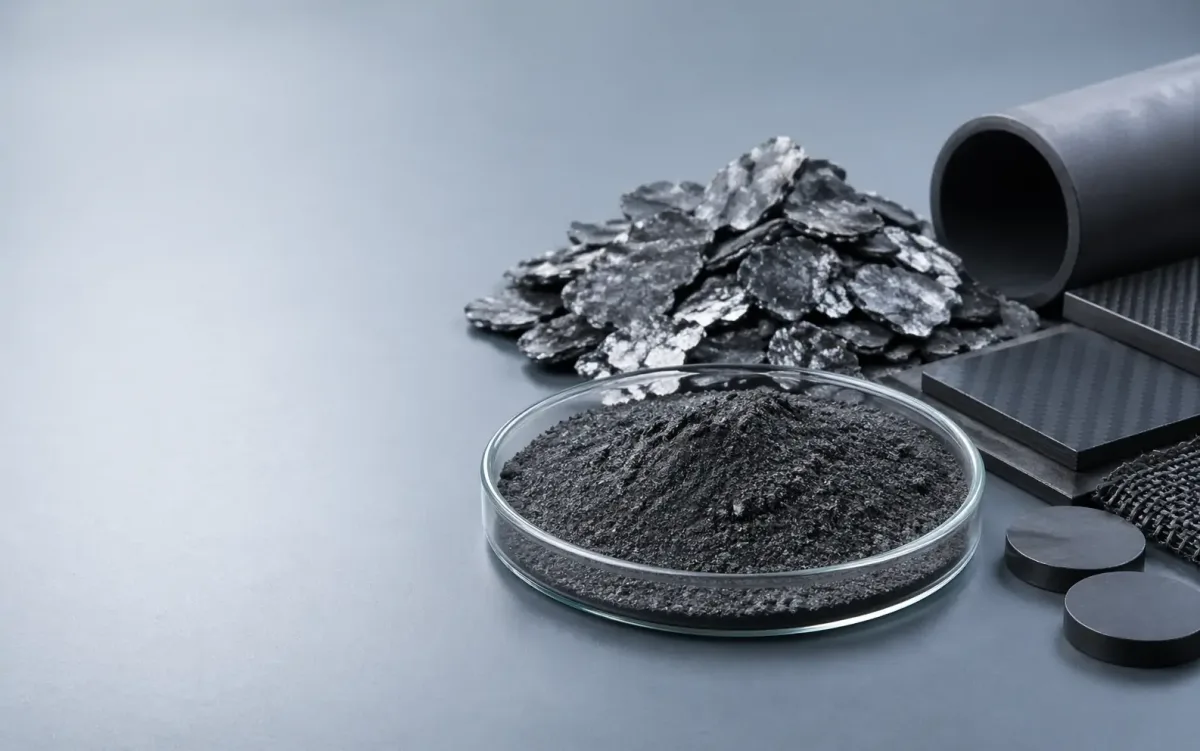
Conductive graphite materials for antistatic plastics, electronic fillers, and functional compounds, including natural flake graphite, micronized graphite powder, and synthetic graphite powder.
Learn More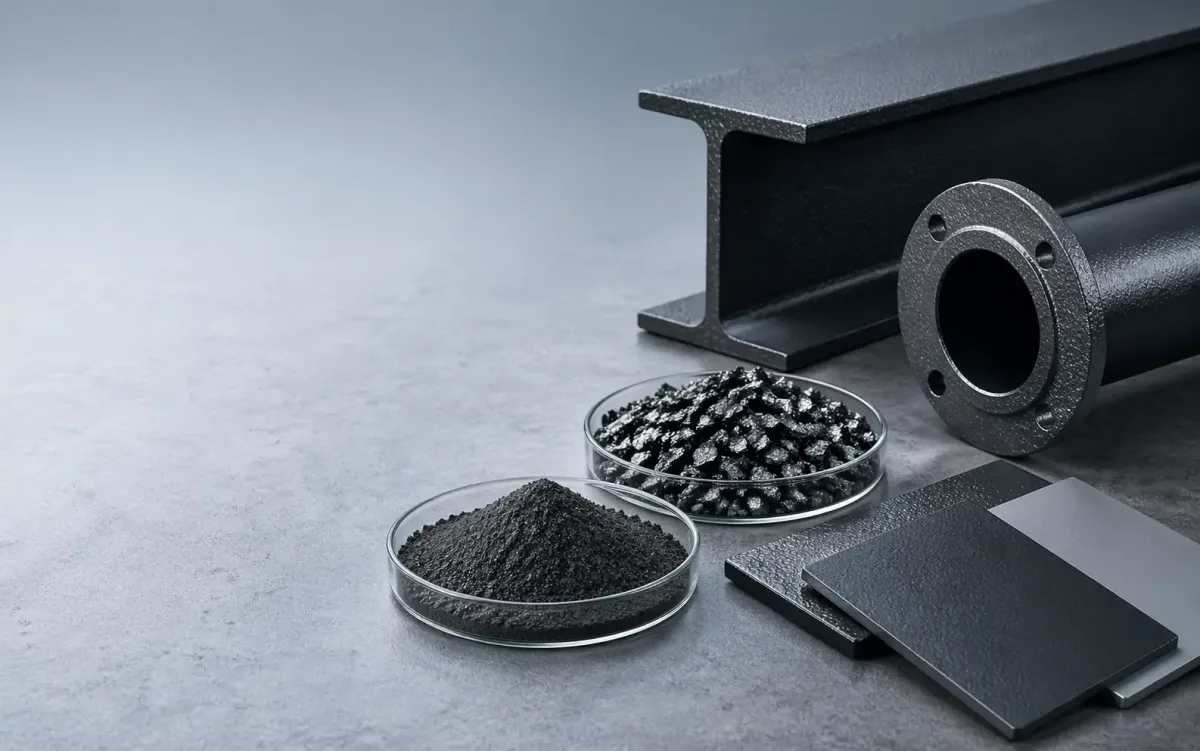
Graphite materials for anti-corrosion coatings, functional coatings, and fire protection, including micronized graphite, natural graphite powder, and expandable graphite.
Learn More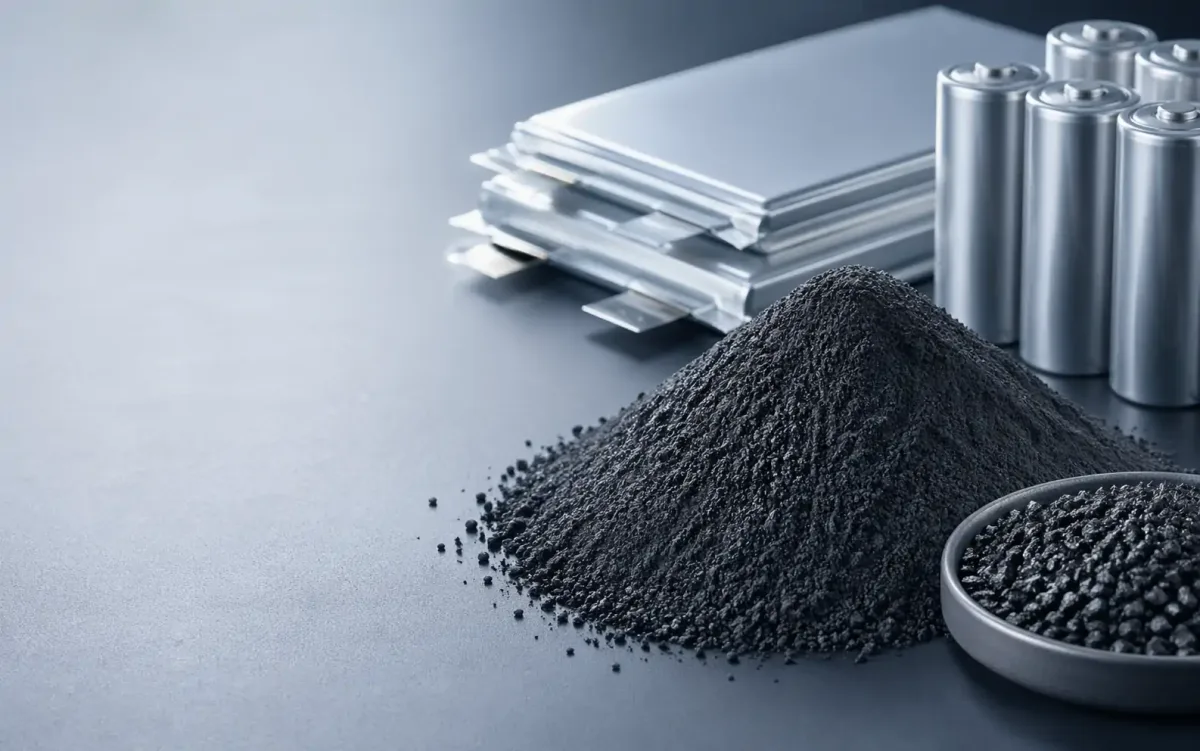
Graphite materials for battery anodes and energy storage, including battery grade graphite anode materials, natural flake graphite, synthetic graphite powder, and high purity graphite powder.
Learn MoreExplore industrial applications supported by our graphite materials, converted products and custom-machined components. Final material and grade are confirmed from operating conditions, drawings, specifications and order requirements.
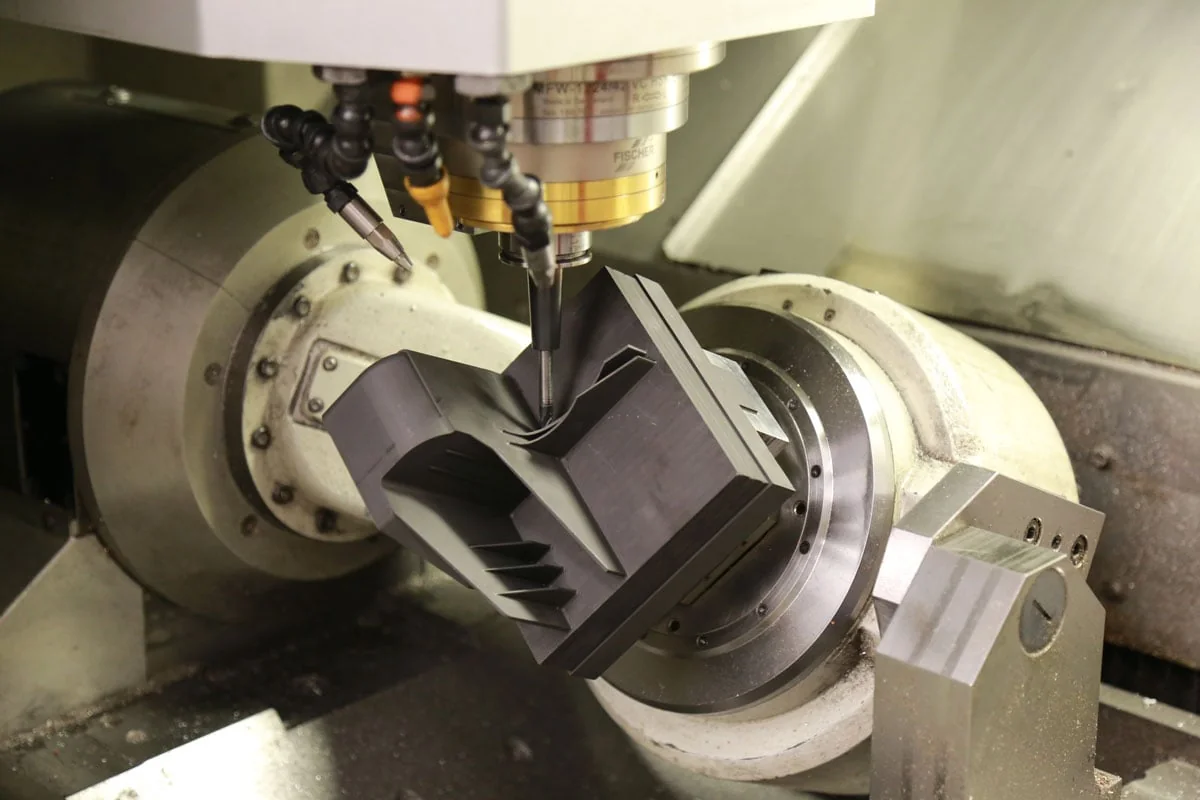
Select the material within the QDZRT Graphite DJY / MY / JY system according to EDM detail, strength, grain-size, purity and machining requirements. DJY denotes isostatic graphite, MY molded graphite and JY extruded graphite. Numeric limits must come from the confirmed specification of the selected grade; endpoints from different source grades are not combined.
We produce raw blocks, pre-sawn plates, and fully CNC-machined tooling components. Tight-tolerance machining is available for suitable geometries; final tolerances and inspection methods are confirmed from part size, graphite grade, and customer drawings.
Whether you require raw material feedstock or fully finished electrode sets ready for die-sinking, our technical engineers collaborate directly with your team to optimize discharge efficiency, minimize electrode wear, and reduce total tooling costs.
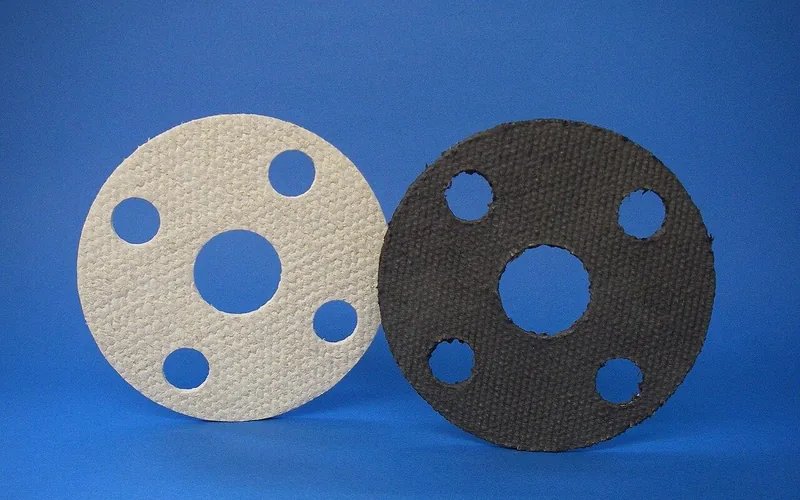
Flexible graphite foil is available in 99.0%, 99.5%, and 99.9% carbon grades, with common foil and roll thicknesses of 0.125–1.6 mm. A representative high-purity specification is 0.4 mm thickness, 1.25 g/cm³ density, 99.9% carbon, 50 ppm sulfur, 0.1% ash, and 25 ppm chloride. Batch COA can be supplied for agreed specification items.
Continuous master roll calendering (thickness 0.1mm–2.0mm, width up to 1500mm), SS304/SS316/Inconel tanged metal core lamination, micro-slit filler tape for spiral wound gaskets, and automated knife/laser die-cutting to exact flange dimensions (ASME, DIN, JIS, customized).
Whether you require raw continuous rolls for your own gasket conversion or finished, custom-molded packing rings and flange gaskets ready for assembly, our technical engineers formulate solutions matched to your pressure ratings, chemical media, and operating temperatures.
Typical natural flake examples include 80 mesh / 95–99% fixed carbon, 100 mesh / 99% fixed carbon, 200 mesh / 95–99% fixed carbon, and 325 mesh / 95–99.5% fixed carbon. Selected high-purity grades reach ≥99.9% carbon. Synthetic graphite powder is available in 100–325 mesh grades, with D10/D50/D90 particle-size targets specified for friction, conductive, and functional formulations.
Air-jet micronization, high-uniformity blending, and metal-impregnated (copper, antimony, babbitt) carbon contact strip sintering. We fabricate finished pantograph contact strips, motor brushes, and self-lubricating dry bearings according to OEM technical drawings.
From custom particle distribution blends for friction lining manufacturers to fully sintered, ready-to-mount current collector strips for rail transit systems, our engineering team tailors thermal conductivity, conductivity, and wear ratios to your target testing standards.
Typical expandable graphite examples include 50 mesh / 200–350 mL/g expansion volume, 80 mesh / 150–250 mL/g, and 100 mesh / 100–200 mL/g. Standard grades cover 90–99.5% fixed carbon; low-sulfur grades are available at ≤0.03% sulfur, and selected high-purity grades reach ≥99.8% carbon.
Controlled acid intercalation yields ultra-low residual acid (pH 6.0–7.5), custom flake distribution (32, 50, 80, 100 mesh), and optional surface silane/resin coating for seamless dispersion in polyols, PU flexible foams, latex, EVA, and intumescent mastic formulations.
We tailor onset expansion temperature and particle size to the intended formulation and process (foaming, extrusion, coating). Final system performance should be verified in the complete formulation or product against the applicable requirement—for example, UL 94 V-0 flammability classification, BS 5852 ignitability testing, or DIN 4102 B1 building-material classification. Results depend on the base polymer, additive loading, processing, specimen construction, and test conditions.
Select the material within the QDZRT Graphite DJY / MY / JY system according to furnace temperature, atmosphere, mechanical loading, purity, grain size and billet dimensions. DJY denotes isostatic graphite, MY molded graphite and JY extruded graphite. Numeric limits are published only when they can be tied to a confirmed grade specification; representative values or endpoints from different grades are not merged into one guarantee.
Precision CNC milling, turning, and thread tapping are available for vacuum-furnace components, hot zones, crystallizers, process boats, and crucibles. SiC and anti-oxidation coating options can be reviewed where applicable; expected service life depends on graphite grade, coating system, temperature, and atmosphere.
We configure complete thermal hot zone assemblies, continuous casting dies, or high-purity semiconductor carriers tailored to your furnace dimensions and thermal cycling profiles, ensuring uniform heating distribution and maximum service life.
Typical spherical graphite examples include D50 10–11 μm / C ≥99.95% / tap density ≥0.94 g/mL, D50 14–16 μm / C ≥99.95% / tap density ≥0.98 g/mL, and D50 19–20 μm / C ≥99.95% / tap density ≥1.0 g/mL. A typical synthetic graphite grade example is C 99.9%, tap density 1.15 g/cm³, ash 0.02%, and D50 22–23 μm.
Mechanical shaping and spheronization, surface-coating options, controlled graphitization, and precision slitting or die-cutting can be selected according to the required battery, thermal-management, or fuel-cell material specification.
For lithium-ion projects using NMC or LFP cathodes, we review graphite anode-material requirements such as particle-size distribution, specific surface area, surface coating condition, and qualification targets. We also convert ultra-thin graphite films to specified electronic-device or EV battery-pack dimensions.
Typical resin-impregnated graphite grades may offer gas permeability below 10⁻⁶ cm²/s and compressive strength above 85 MPa, subject to grade and test method. Compatibility with acids and other corrosive media depends on the resin system, graphite grade, concentration, temperature, and pressure; operating conditions should be confirmed before selection.
Deep-hole drilling, resin vacuum-pressure impregnation, and tube assembly can be supplied for applicable graphite process components. Leak-testing and hydrostatic inspection requirements are reviewed against the confirmed product design and order specification.
We tailor heat exchanger sizing, process channel configurations, bursting disc pressure ratings, and pump bushing dimensions to your specific chemical process blueprints, flow rates, and operating pressures.

High-purity and fine-grain graphite materials are used in demanding thermal and industrial applications where purity, dimensional stability, and high-temperature performance are important. High-purity grades, including 99.9% carbon options, can be considered where required. Final grade and purity are confirmed according to the application and order specification.
Purification, precision machining, and inspection routes are selected according to graphite grade and application requirements. Tight machining tolerances are available for suitable geometries, with final tolerances, cleanliness, packaging, and inspection methods confirmed from drawings and the order specification.
We support custom vacuum-furnace components, thermal fixtures, susceptors, and specialty graphite parts based on customer drawings, operating conditions, material grade, and inspection requirements.
From raw carbon powder micronization and flexible graphite paper converting to multi-axis CNC fabrication, we provide end-to-end industrial material solutions.
Natural flake, synthetic powders, and expandable graphite are available with controlled particle-size options. High-purity grades and batch documentation can be reviewed where required.
Continuous flexible graphite rolls (0.1mm–2.0mm), metallic reinforced sheets, and high-speed die-cutting for sealing gaskets and thermal heat spreaders.
Multi-axis CNC milling, turning, and grinding are available for EDM electrodes, hot-zone structures, and custom graphite parts. Final tolerances and inspection methods are confirmed from part geometry, graphite grade, and drawings.
SiC coatings, resin impregnation, and anti-oxidation treatments can be reviewed for selected thermal and chemical-service parts. Final suitability depends on graphite grade, coating or impregnation system, temperature, atmosphere, and process conditions.
A structured engineering process covering raw material formulation, roll converting, and precision CNC fabrication with dependable global delivery.
Our engineers evaluate operating temperatures, chemical media, powder PSD/purity specs, sheet thickness, or CAD drawings.
We recommend optimal raw flake/powder grades, flexible graphite paper specs, or isotropic blocks and confirm the applicable specification, batch documents, and test documentation.
Processing can include powder sizing, roll slitting, die-cutting, or multi-axis CNC machining, with applicable particle-size, density, dimensional, and other inspection methods confirmed to the order specification.
Moisture-resistant drums, roll packaging, or shock-resistant crating are selected according to the product, with COA, batch, or inspection documentation available where applicable.
Send your application requirements, drawings, or material needs to QDZRT Graphite for matching support and quotation.