Natural Flake Structure
Naturally occurring crystalline flakes supplied for industrial formulations and downstream processing.

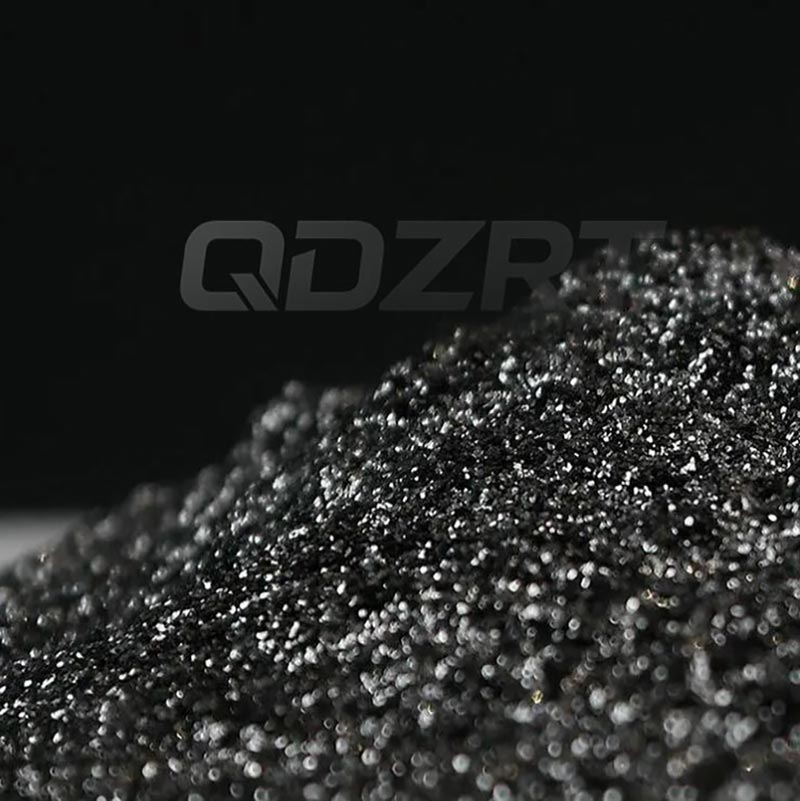
Natural Flake Graphite is a natural crystalline graphite material with distinct flake-like morphology, commonly specified by flake size, carbon content, ash level, and downstream processing requirements. It is suitable for refractories, friction materials, conductive systems, lubricants, sealing materials, battery-related processing, and other industrial formulations.
Naturally occurring crystalline flakes supplied for industrial formulations and downstream processing.
Common mesh cuts can be selected to suit blending, refractory, friction, conductive and other process needs.
Fixed-carbon and ash requirements are selected by grade and confirmed for the intended application.
Suitable material can be screened, blended, purified, expanded or otherwise processed according to project requirements.
Natural Flake Graphite is a naturally occurring crystalline graphite material known for its distinct flake-like morphology and broad suitability across industrial applications. Unlike broader graphite powder descriptions, natural flake graphite is commonly purchased and specified according to flake size, carbon content, ash level, and downstream processing requirements. These factors directly influence process suitability, final product performance, and the practical value of the material after delivery.
In commercial supply, natural flake graphite is not treated as a single universal grade. It is usually evaluated by how well the flake structure is preserved, which flake size range is required, what purity level is needed, and how the material will be used in the next processing step. Depending on the application, natural flake graphite may be selected for refractories, friction materials, conductive systems, batteries, lubricants, gaskets, powder metallurgy, polymer compounds, and other industrial formulations where graphite morphology and performance both matter.
Natural flake graphite is one of the most commercially important forms of natural graphite and is recognized by its platy or flaky crystal morphology. This morphology is not only a mineralogical feature but also a practical supply characteristic with direct commercial importance. In many industrial markets, flake size affects downstream processing flexibility, commercial grade classification, and application suitability. For this reason, natural flake graphite is generally specified by a combination of flake size range and carbon content rather than by product name alone.
Compared with a generic natural graphite powder description, natural flake graphite is more specifically associated with applications where flake structure, conductivity, lubricity, thermal stability, or subsequent conversion potential are important. Commercial flake graphite may be supplied as coarse, medium, or finer cuts depending on how the material will be used after beneficiation, sizing, blending, purification, or further milling. This makes natural flake graphite an industrial raw material category with multiple commercial grade options rather than a single fixed product.
For grade matching, we confirm whether the available flake size and purity are appropriate for the target process. A higher carbon content may be important in some applications, while in other projects flake size preservation, processing behavior, or formulation compatibility may play an equally important role. For supply planning, we treat natural flake graphite as a material system with multiple supply possibilities rather than as a single fixed raw-material grade.
In industrial practice, natural flake graphite is commonly discussed according to flake size range as well as carbon content. We can supply larger flake, medium flake, or finer commercial cuts according to flake-preservation needs, downstream processing, formulation behavior, and cost targets. The table below shows typical commercial flake-size categories.
| Grade Option | Typical Commercial Description | General Supply Focus |
|---|---|---|
| Large Flake | Coarser flake grades, often associated with +50 mesh and larger commercial cuts | Applications where larger flake preservation or higher downstream value is important |
| Medium Flake | Intermediate commercial cuts suitable for broader industrial use | Balanced option for general industrial applications and further processing |
| Fine Flake | Finer commercial cuts including common +100 mesh or -100 mesh ranges | Applications requiring finer particle sizes or additional formulation work |
For sourcing, confirm the required mesh or flake-size range, carbon/purity range, ash or impurity limits, downstream processing route, quantity and packaging. We use these inputs to match an available grade. Larger-flake preservation may matter for some applications, but final selection should follow the actual processing and performance requirements rather than flake size or purity alone.
Natural flake graphite continues to be used across many industrial sectors because it offers a useful combination of morphology, conductivity, lubricity, thermal resistance, and raw material flexibility. The reason for choosing it, however, depends heavily on how the material will be used after delivery. The table below reflects several typical purchasing considerations.
| Selection Priority | What Usually Matters | Why It Matters in Supply |
|---|---|---|
| Preserved flake size | Larger commercial flake range and reduced flake breakage | Supports higher-value downstream processing and greater flexibility in later size reduction |
| Purity expectation | Carbon content, ash level, and whether further purification is required | Helps determine if the supplied material is suitable for direct use or additional processing |
| Processing route | Whether the graphite will be milled, classified, blended, or purified | Determines the most suitable commercial supply option before production begins |
| Application fit | Refractory, friction, conductive, battery-related, sealing, or lubricant use | Different applications value flake size, purity, and handling characteristics differently |
| Technical and commercial fit | Matching technical requirements with the correct supply grade | Helps avoid over-specification or under-specification in industrial purchasing |
Natural flake graphite is used in a wide range of industrial sectors because its morphology and physical behavior support different processing routes and performance requirements. The appropriate grade depends on whether the application places greater emphasis on flake preservation, conductivity, lubricity, thermal stability, processing compatibility, or cost control.
| Application Area | Typical Use | Why Flake Graphite Is Selected |
|---|---|---|
| Refractories | Refractory mixes, shaped products, thermal-resistant systems | Useful thermal stability and compatibility with high-temperature material systems |
| Friction Materials | Brake and friction-related formulations | Lubricity and flake morphology support controlled friction system design |
| Conductive Applications | Conductive compounds and electrically functional formulations | Graphite conductivity is beneficial in thermal and electrical systems |
| Batteries and Energy-Related Uses | Battery-related and electrochemical feedstock applications | Natural flake graphite can serve as a useful starting material for further energy-related processing |
| Lubricants | Dry lubricants, greases, and industrial lubrication blends | Layered graphite structure contributes to lubricating behavior |
| Gaskets and Polymer Systems | Sealing materials, polymer compounds, and formulation-based uses | Flake morphology and processing flexibility support downstream blending and conversion |
For a quotation, send the required flake-size range or mesh range, carbon content, impurity limits, application, downstream processing step, quantity and packaging preference. If the project still uses a reference grade, TDS or current supplier specification, include it so we can compare the requirement against available supply options.
Natural flake graphite is typically supplied in industrial packaging suitable for powder and flake materials, with packaging format arranged according to shipment quantity, grade type, and handling requirements. For export and industrial delivery, the packaging arrangement should support clean handling, moisture control, and practical storage conditions after arrival.
The material is generally recommended to be stored in a dry and clean environment in order to reduce moisture exposure and maintain stable condition during handling and downstream processing. When special handling, repacking, or supply format requirements are involved, these points are best confirmed during quotation and order review.
Natural flake graphite is a specific type of natural graphite recognized by its flake-like morphology. Natural graphite powder is a broader commercial term that may refer to ground or processed graphite products with less emphasis on preserved flake size.
Flake size affects both downstream processing options and commercial value. Larger flake can be processed into smaller cuts, but smaller flake cannot be converted back into larger flake.
Not necessarily. The suitable purity level depends on the application. Some uses require higher purity, while others are also influenced by flake size, formulation behavior, further processing needs, or cost structure.
Yes. Commercial supply commonly includes multiple flake size ranges, and selection is usually based on downstream processing and final application requirements.
It is helpful to confirm the intended application, target flake size range, expected purity range, and whether the material will be used directly or further processed after delivery.
If you are sourcing natural flake graphite, you can send your required flake size range, purity expectation, or application requirements for technical review. Based on the intended use, QDZRT Graphite can help evaluate a more suitable flake graphite supply option and the corresponding material option for your project.
 PRODUCT
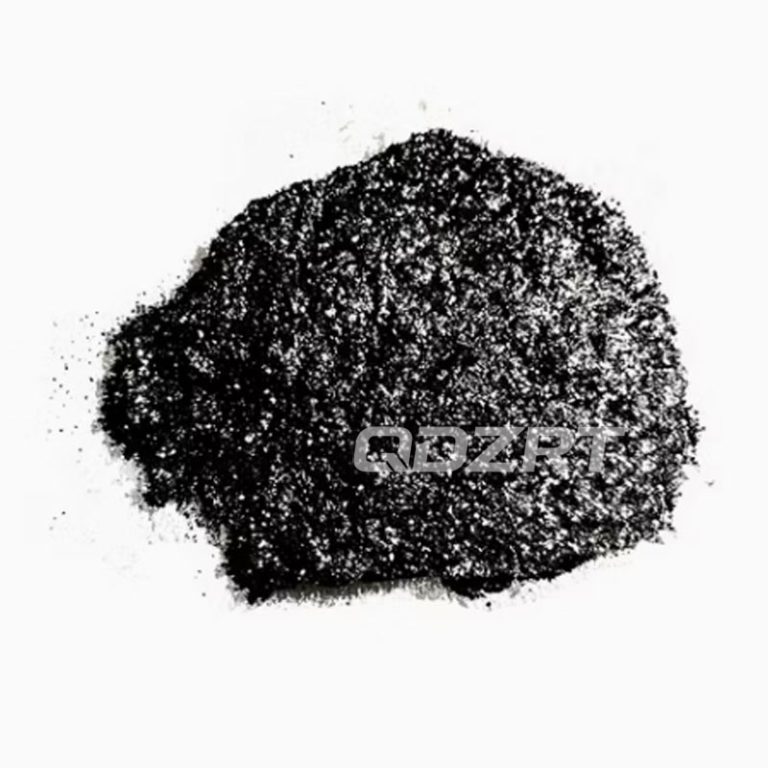
Synthetic Graphite Powder is an engineered carbon material with high carbon content, low ash options, controlled particle size, and stable conductive performance for conductive fillers, friction materials, metallurgy, battery-related materials, and industrial compounds.
 PRODUCT
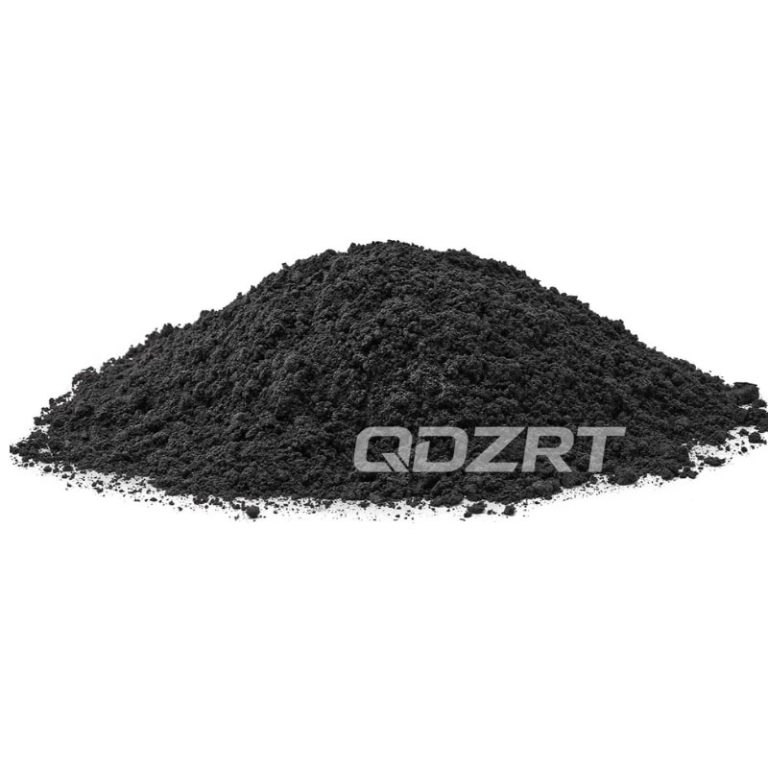
Natural Graphite Powder is a carbon-based industrial raw material processed from natural flake or amorphous graphite for refractory materials, friction products, conductive fillers, sealing compounds, metallurgy, and general industrial carbon systems.
 PRODUCT
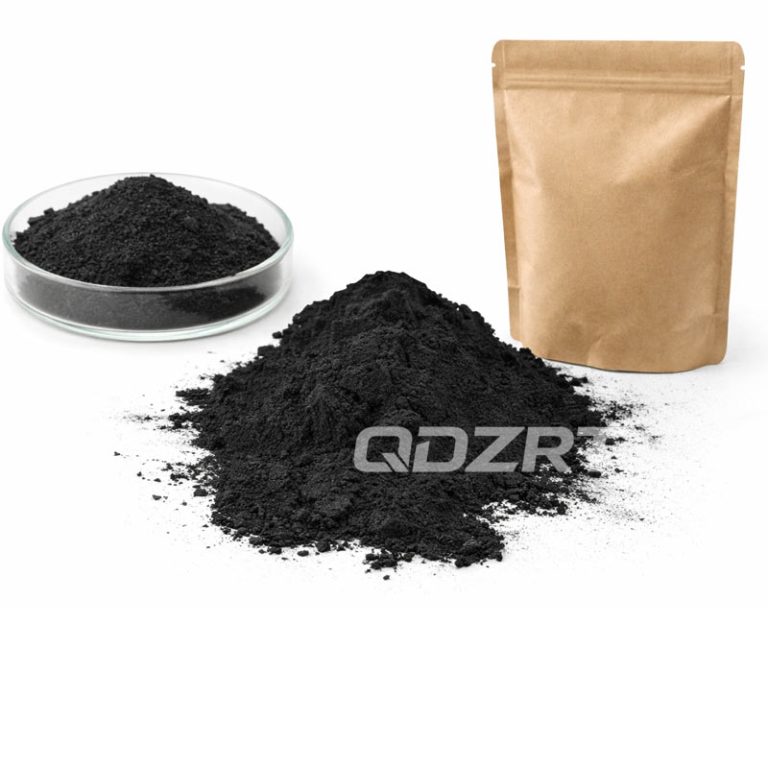
High Purity Graphite Powder is a refined graphite material with high carbon content, low ash, controlled impurity levels, and selectable particle size for conductive, metallurgical, refractory, battery-related, and specialty industrial applications.
 PRODUCT
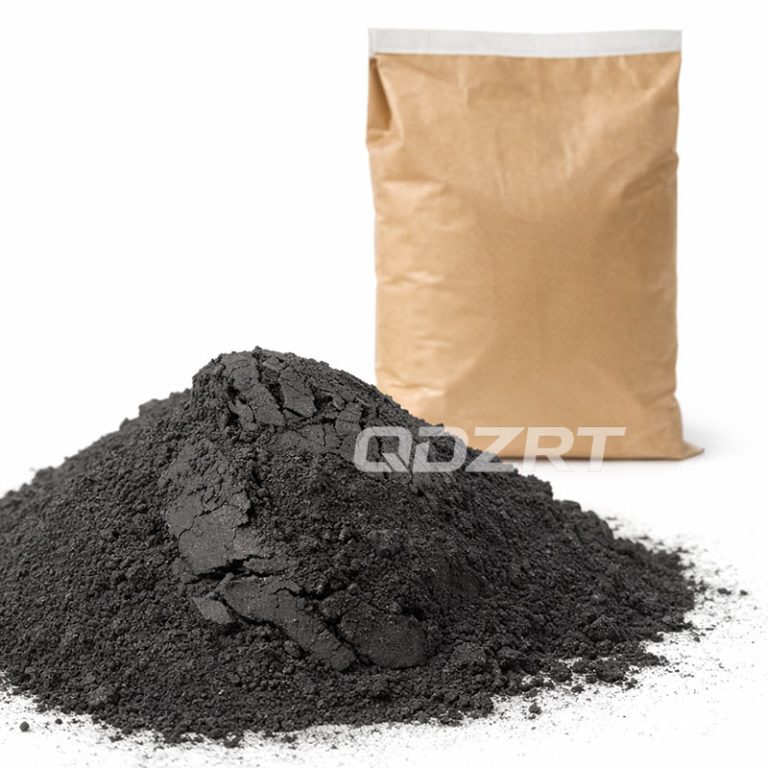
Micronized Graphite Powder is a fine graphite material with controlled particle size distribution for coatings, inks, lubricants, conductive fillers, polymers, friction materials, and industrial formulations.
 PRODUCT
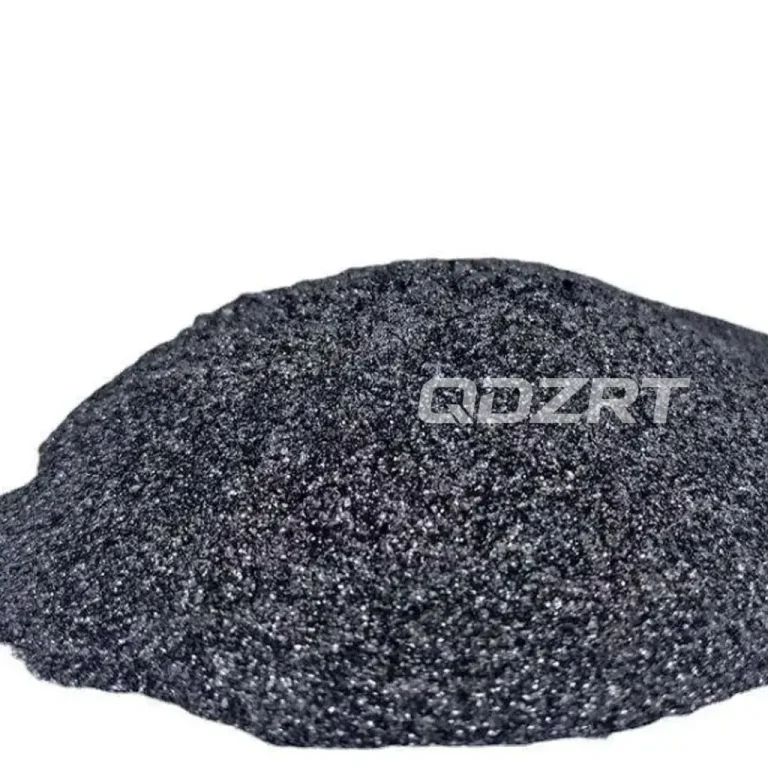
Expandable Graphite is an intercalated flake graphite material that expands under heat, forming a worm-like carbon structure for flame-retardant systems, sealing materials, graphite foil production, coatings, and industrial formulations.
 PRODUCT
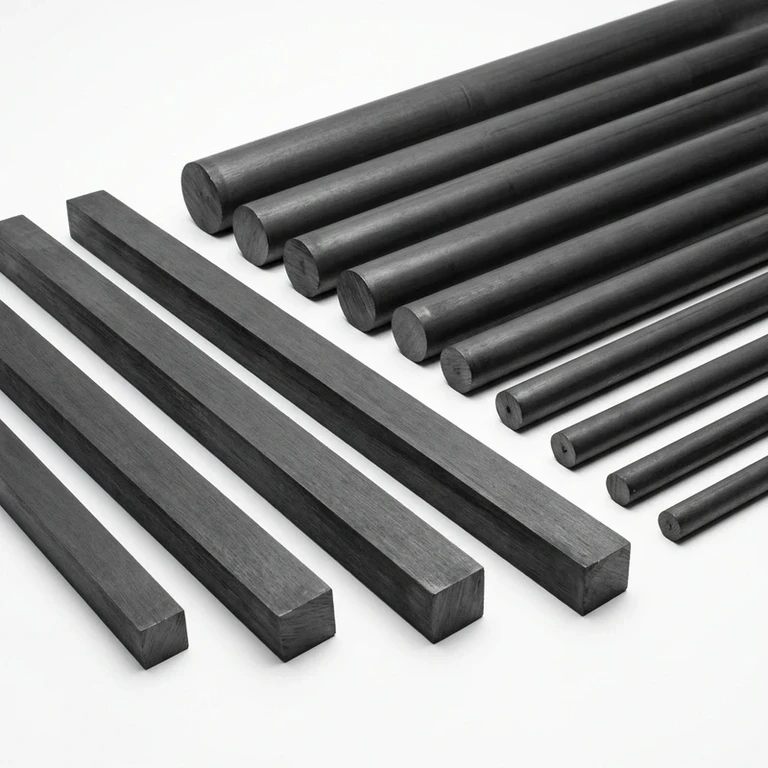
JY Series extruded graphite for rods, heating components, furnace structural parts, larger sections, and general industrial machining where material orientation is considered in selection.
 PRODUCT
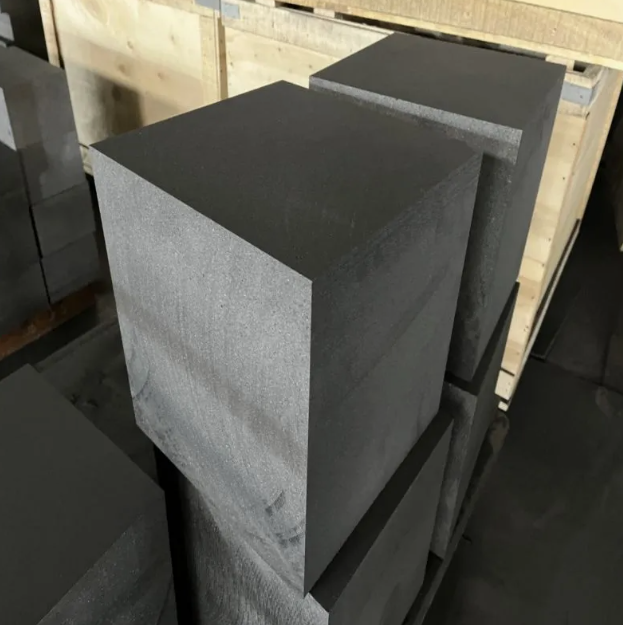
MY Series molded graphite for general industrial blocks, molds, furnace supports, metallurgy, electrodes, and drawing-based machined graphite components.
 PRODUCT
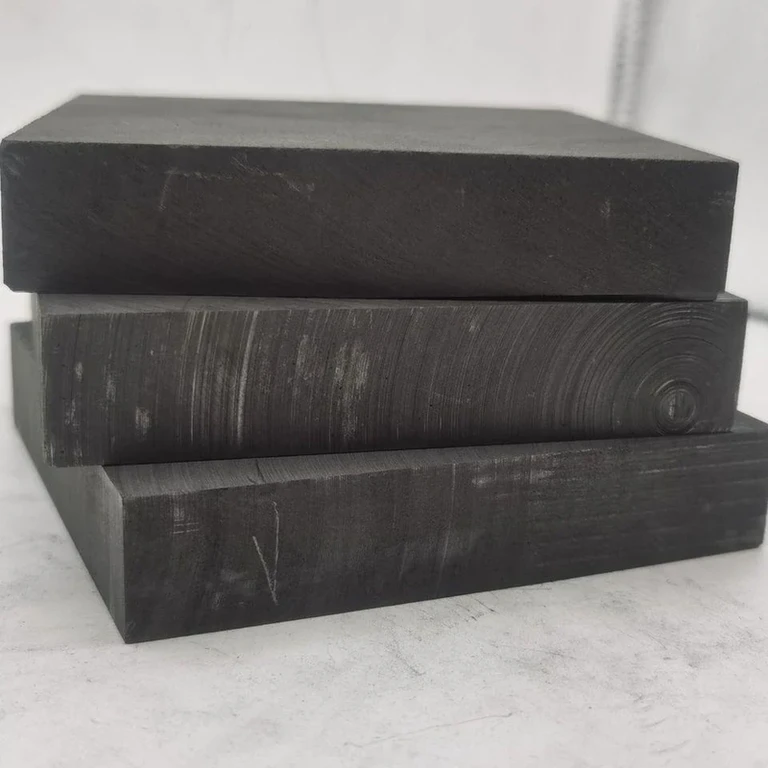
DJY Series isostatic graphite for EDM, precision machining, furnace fixtures, semiconductor-related components, and other applications requiring a uniform graphite structure.