High Carbon Content
Selected grades offer high carbon content and lower impurity levels for cleaner carbon material requirements.

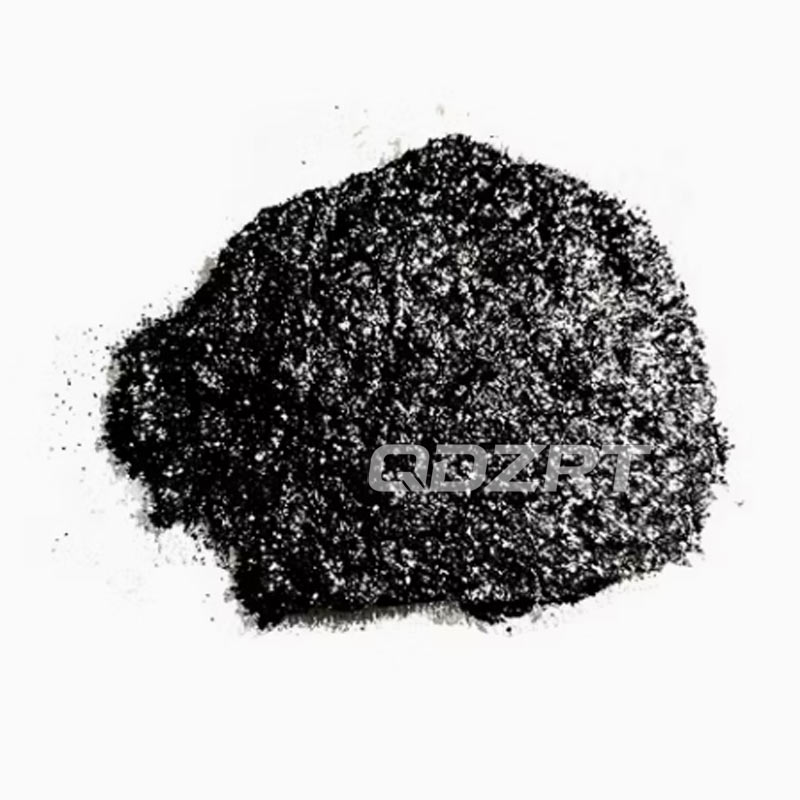
Synthetic Graphite Powder is an engineered carbon material with high carbon content, low ash options, controlled particle size, and stable conductive performance for conductive fillers, friction materials, metallurgy, battery-related materials, and industrial compounds.
Selected grades offer high carbon content and lower impurity levels for cleaner carbon material requirements.
Low-ash grades can be supplied for applications requiring tighter impurity control and more stable material quality.
Suitable for conductive fillers, coatings, compounds, and carbon-based functional systems requiring controlled resistivity.
Specifications can be matched by carbon content, ash level, D50 target, tap density, resistivity, and application requirements.
Synthetic Graphite Powder is an engineered carbon material produced through high-temperature graphitization and controlled powder processing. Compared with many conventional graphite powder grades, selected synthetic graphite powders can offer higher carbon content, lower ash level, more controlled particle characteristics, and more stable electrical performance. These properties make it suitable for applications requiring reliable conductivity, controlled carbon quality, and consistent industrial processing behavior.
In practical use, Synthetic Graphite Powder is selected not only by carbon content, but also by ash level, particle size distribution, tap density, resistivity, morphology, and application requirements. Different grades may be used in conductive fillers, friction materials, metallurgical carbon addition, carbon-based compounds, battery-related material evaluation, and other industrial formulation systems.
QDZRT Graphite can supply Synthetic Graphite Powder in multiple purity levels and particle size ranges. Grades can be matched according to ash content, resistivity target, tap density, D50 target, mesh reference, packaging format, and end-use requirements.
Specification limit note: Values carrying ≤ are grade-specific maximum limits, not a continuous measured range. Do not combine limits from different grades. Final grade limit, test method/basis, and measured batch result are stated separately on the quotation/COA.
| Key Point | Description |
|---|---|
| High Carbon Content | Selected grades can reach high carbon levels, making them suitable for applications requiring cleaner carbon sources and reduced impurity influence. |
| Controlled Particle Characteristics | Particle size distribution and powder behavior can be selected for downstream mixing, coating, pressing, and compounding processes. |
| Low Ash Options | Low-ash grades can be supplied for customers with tighter impurity control and higher purity targets. |
| Stable Conductive Performance | Suitable for conductive and electrochemical-related applications where controlled resistivity and stable material behavior are important. |
| Fine Powder Supply | Available from conventional mesh references to micron-level D50 ranges for different industrial manufacturing systems. |
The following values are typical reference ranges for product selection. Final specifications may vary according to raw material route, graphitization process, grinding and classification method, particle size distribution, ash level, and application requirement.
| Item | Typical Specification Range |
|---|---|
| Product Name | Synthetic Graphite Powder |
| Appearance | Grayish black to bright black powder |
| Form | Graphite powder |
| Carbon Content | Typically 95%–99.9%, depending on product grade |
| Ash Content | Low ash options available, such as ≤0.1%, ≤0.05%, or ≤0.01% for selected grades |
| Moisture | Grade-specific moisture maximum; family endpoint limits are ≤0.1% and ≤0.5%. The final grade limit is confirmed on the quotation/COA. |
| Volatile Matter | Typically ≤0.2% for selected grades |
| Particle Size D50 | Approx. 3 μm – 40 μm depending on grade |
| Mesh Reference | 325 / 500 / 800 / 1000 / 2000 mesh for commercial reference |
| Tap Density | Approx. 0.7 – 1.3 g/cm³ depending on particle size and grade |
| Resistivity | Approx. 5 – 25 μΩ·m depending on grade and test method |
| pH Value | Typically 6.0 – 9.0 depending on grade |
| Powder Structure | Particle morphology and distribution depend on processing route and grade design |
| Application Grade | Conductive Grade / Friction Grade / Metallurgical Grade / Battery-Related Grade / Customized Grade |
| Packaging | Moisture-proof bags, kraft paper bags, jumbo bags, or customized packaging |
| Storage | Store sealed in a dry, clean environment away from moisture and contamination |
| Application Type | Recommended Characteristics | Main Value |
|---|---|---|
| Conductive Fillers | Fine particle size, stable resistivity, controlled ash content | Improves conductivity in coatings, plastics, rubber, and composite systems |
| Battery-Related and Energy Materials | High carbon content, low ash, controlled particle distribution | Supports consistency in selected carbon-based electrochemical formulations and material evaluation |
| Friction Materials | Balanced particle size, controlled tap density, and thermal stability | Supports lubrication balance and thermal performance in friction systems |
| Metallurgical Use | High carbon content, stable composition, and industrial bulk supply | Provides carbon addition and stable processing performance for metallurgical systems |
| Carbon-Based Industrial Compounds | Custom particle size and purity matching | Suitable for pressing, blending, impregnation, compounding, and special industrial processing |
Selection should be based on the final application rather than product name alone. For conductive systems, resistivity, carbon content, particle size distribution, loading ratio, and dispersion behavior should be evaluated together. For friction materials, particle size, tap density, lubrication behavior, and thermal stability are usually important. For metallurgical or carbon-addition applications, carbon content, ash level, and bulk supply consistency may be more important.
For fine powder grades, D50 and D90 values are usually more useful than mesh size alone. Mesh descriptions can be used as commercial references, but particle size distribution data provides a clearer basis for technical evaluation and grade matching.
QDZRT Graphite can provide Synthetic Graphite Powder according to different production and technical requirements. Available customization options include carbon content, ash level, particle size distribution, D50 target, mesh reference, tap density preference, resistivity target, packaging format, and application-oriented grade selection.
For customers working on conductive systems, friction compounds, metallurgical additives, carbon-based compounds, or battery-related material evaluation, QDZRT Graphite can recommend a more suitable specification according to the end-use requirement and trial target.
Synthetic Graphite Powder is usually packed in sealed moisture-proof bags, kraft paper bags, or jumbo bags depending on shipment volume, particle size, and export requirements. Customized packaging can be arranged according to order quantity, handling method, and storage conditions.
The material should be stored in a dry and clean environment away from moisture and contamination. Proper sealing is recommended after opening to help maintain stable powder condition during storage and handling.
Synthetic graphite powder is produced through artificial graphitization and controlled processing. Selected grades usually offer higher carbon content, lower ash level, more controlled particle characteristics, and more stable conductive performance. Natural graphite powder is mineral-based and is often selected for broader cost-sensitive industrial uses.
Yes. Synthetic Graphite Powder can be supplied in different mesh references and micron-level particle size ranges. You can provide target D50 or D90 values, current grade references, or application requirements for grade matching.
Yes. Many grades are suitable for conductive fillers, conductive compounds, coatings, plastics, rubber, and carbon-based functional systems. Final performance depends on resistivity, carbon content, particle size, loading ratio, and dispersion quality.
Yes. Low-ash grades such as ≤0.1%, ≤0.05%, and ≤0.01% may be supplied for applications requiring cleaner carbon material and tighter impurity control.
Selected grades may be used in battery-related or electrochemical material evaluation. Suitability should be confirmed according to purity, particle size distribution, tap density, formulation system, and testing target.
Please provide the target application, required carbon content, ash level, D50 or D90 particle size, tap density or resistivity requirement if available, order quantity, packaging preference.
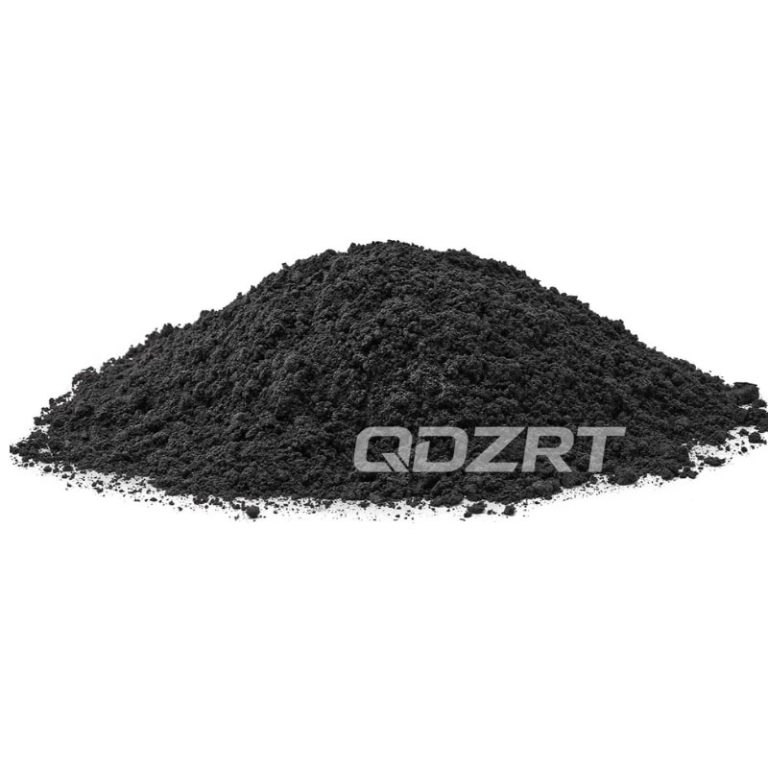 PRODUCT
Natural Graphite Powder is a carbon-based industrial raw material processed from natural flake or amorphous graphite for refractory materials, friction products, conductive fillers, sealing compounds, metallurgy, and general industrial carbon systems.
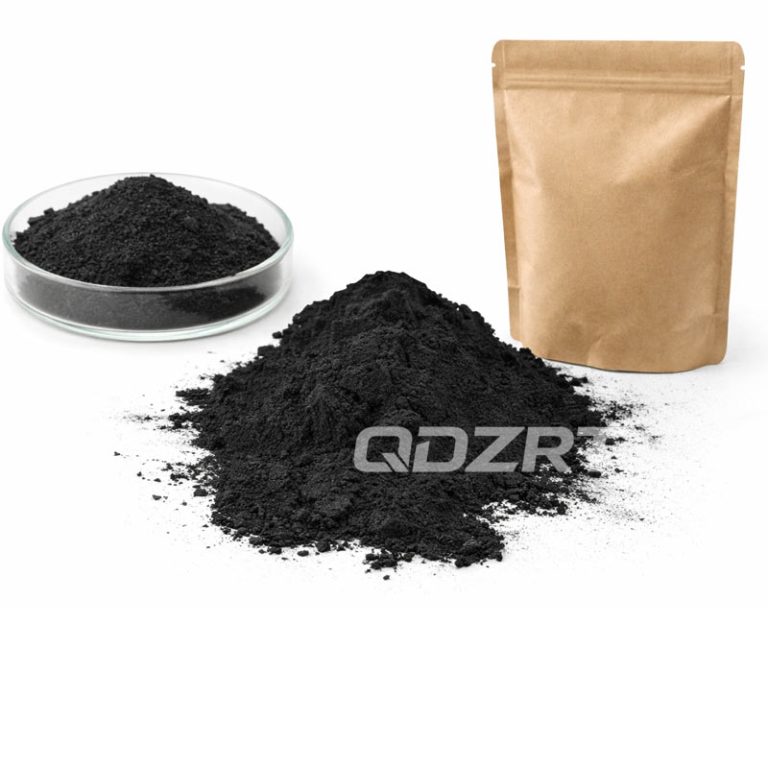 PRODUCT
High Purity Graphite Powder is a refined graphite material with high carbon content, low ash, controlled impurity levels, and selectable particle size for conductive, metallurgical, refractory, battery-related, and specialty industrial applications.
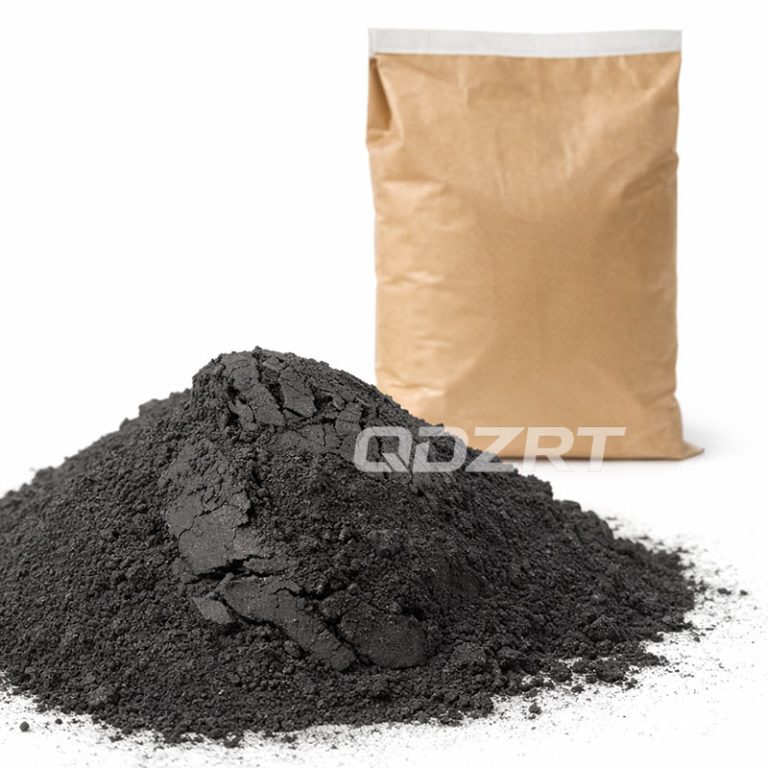 PRODUCT
Micronized Graphite Powder is a fine graphite material with controlled particle size distribution for coatings, inks, lubricants, conductive fillers, polymers, friction materials, and industrial formulations.
 PRODUCT
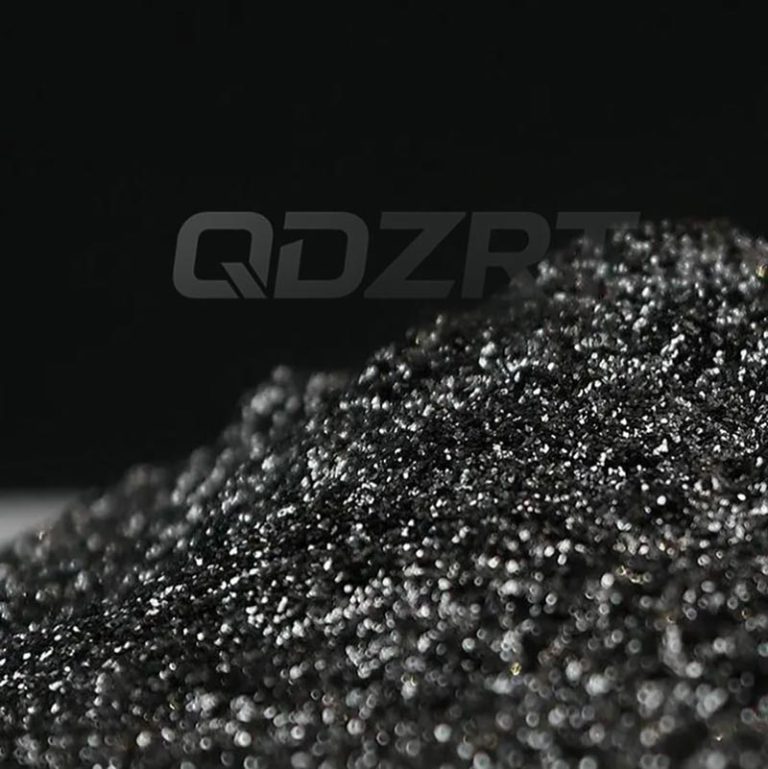
Natural Flake Graphite is a natural crystalline graphite material with distinct flake-like morphology, commonly specified by flake size, carbon content, ash level, and downstream processing requirements. It is suitable for refractories, friction materials, conductive systems, lubricants, sealing materials, battery-related processing, and other industrial formulations.
 PRODUCT
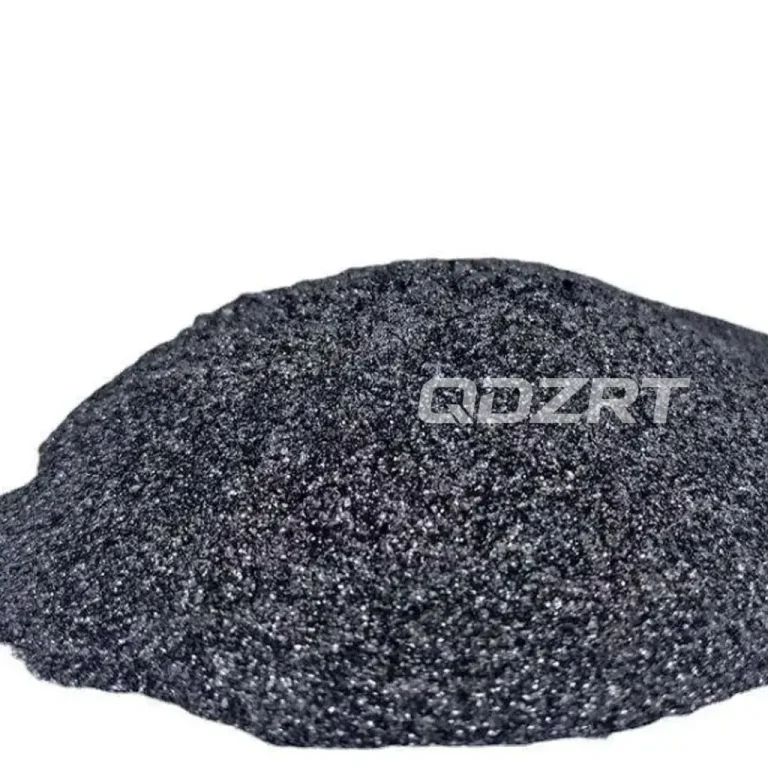
Expandable Graphite is an intercalated flake graphite material that expands under heat, forming a worm-like carbon structure for flame-retardant systems, sealing materials, graphite foil production, coatings, and industrial formulations.
 PRODUCT
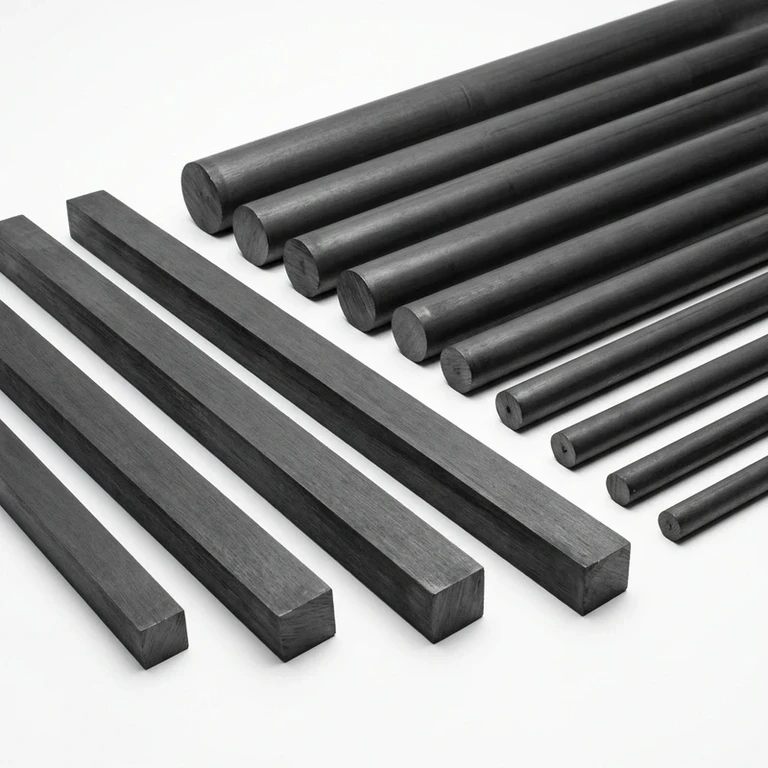
JY Series extruded graphite for rods, heating components, furnace structural parts, larger sections, and general industrial machining where material orientation is considered in selection.
 PRODUCT
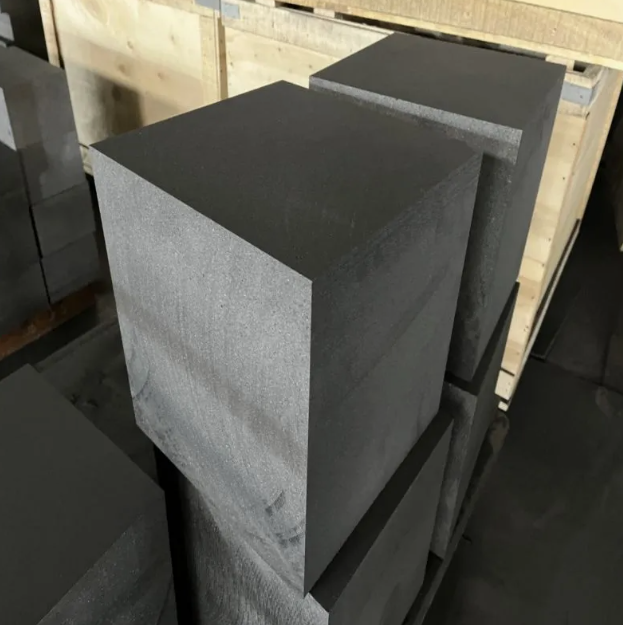
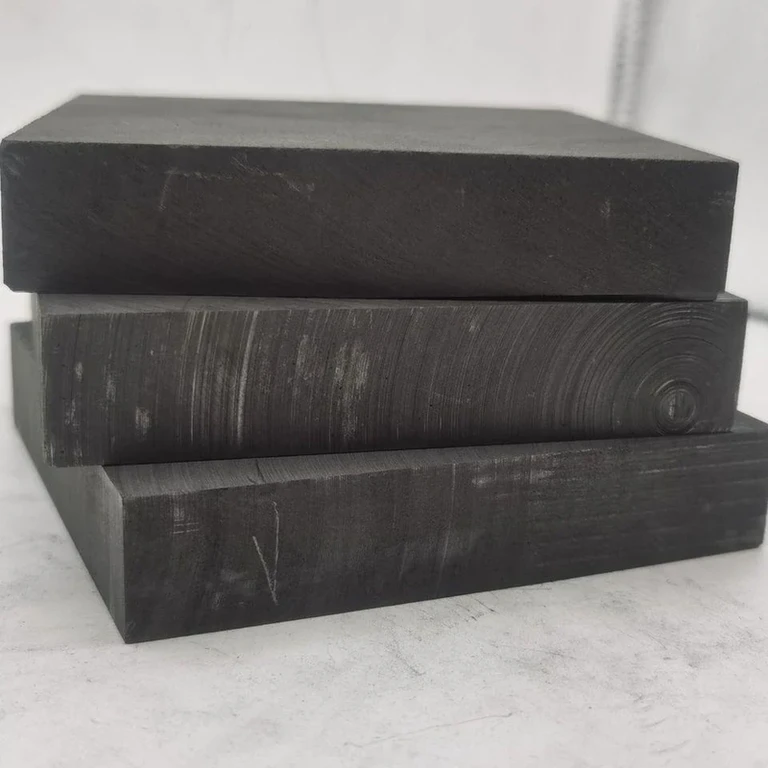
MY Series molded graphite for general industrial blocks, molds, furnace supports, metallurgy, electrodes, and drawing-based machined graphite components.
 PRODUCT
DJY Series isostatic graphite for EDM, precision machining, furnace fixtures, semiconductor-related components, and other applications requiring a uniform graphite structure.