Conductive and Electronic Materials
Graphite is a mature conductive carbon material used in coatings, polymer compounds, inks, pastes, adhesives, and sealing systems for electronic and electrically functional applications. Its role in this field is not limited to electrical conductivity. In practice, graphite is selected because it combines useful electrical conductivity with thermal conductivity, layered slip, chemical stability, and a more practical cost structure than many metal-filled or specialty conductive systems. These characteristics make graphite relevant to conductive coatings, anti-static plastics and elastomers, EMI/RFI shielding compounds, conductive inks, conductive pastes, and selected assembly materials used around electrical and electronic equipment.
From a materials perspective, graphite conducts electricity because of its layered crystal structure and the mobility of electrons within those carbon planes. The same layered structure also explains two other industrially useful characteristics: anisotropic heat transfer and lubricity. In formulations where conductivity alone is not enough, graphite can help balance electrical behavior, heat dissipation, wear reduction, and processing stability. This is one reason it remains widely used in industrial conductive formulations even when more expensive conductive additives are available.
Graphite in Conductive Coatings and Conductive Paints
Conductive coatings are one of the most established application routes for graphite. In these systems, graphite is dispersed into a liquid resin or coating medium so that the dried film forms an electrically conductive or static-dissipative layer. Typical industrial uses include conductive paints for housings, anti-static coatings for processing environments, repair coatings for damaged shielding layers, and conductive pre-coats applied before subsequent metallization. For this type of application, the material choice is not based on conductivity alone. Particle shape, film uniformity, adhesion, coating rheology, and application stability are also important because the coating must remain processable while still reaching the required surface or volume resistivity.
For many conventional conductive coatings, graphite offers a useful balance between cost and functionality. It can lower resistivity, support charge dissipation, and in some systems improve film lubricity and process behavior. This is especially relevant where the target is industrial conductivity or anti-static performance rather than ultra-low resistance. In these formulations, a flake-structured graphite often helps form overlapping conductive networks inside the coating film, while finer graphite grades are more suitable where surface smoothness, thinner films, or tighter dispersion control are required.
Anti-Static Plastics, Rubber Compounds, and ESD Control
Another major application area is electrostatic discharge control in plastics, rubbers, and polymer compounds. Graphite is used to reduce static buildup, increase conductivity, and help finished parts dissipate charge more reliably. These systems are relevant to trays, housings, packaging materials, belts, seals, molded parts, and functional polymer components used around electronics, powders, clean environments, or equipment where uncontrolled static can create safety or product-quality problems.
In anti-static polymer systems, the practical question is not simply whether graphite is conductive, but whether it can be dispersed at an appropriate loading level while maintaining processability and finished-part performance. Compound designers usually evaluate conductivity target, polymer compatibility, flow behavior, filler loading, surface appearance, and cost balance together. Graphite is widely used in this area because it offers a conductive route that is often easier to justify economically than precious-metal fillers, while also contributing useful lubricity in some compounds.
EMI/RFI Shielding and Static Dissipation Materials
Graphite is also important in shielding-related materials where the goal is EMI/RFI attenuation, static dissipation, conductive gasketing, or conductive treatment of housings and interfaces. Industry examples include graphite-filled conductive adhesives, sealants, and coatings used where non-magnetic behavior, lubricity, and lower cost than silver-filled systems are desirable. In these applications, graphite is not always expected to match the conductivity of metal-filled systems. Instead, it is selected where the target performance can be achieved with a carbon-based conductive path that offers a better balance of cost, processability, and application-specific properties.
This is why higher-purity graphite routes are often preferred for quality-sensitive electronic formulations. Lower ash, lower impurity content, and more stable batch behavior become increasingly important in shielding compounds, conductive sealants, and assembly-adjacent electronic materials, especially when the formulation window is narrow or the end use is more controlled.
Conductive Inks, Conductive Pastes, and Printed Functional Layers
Conductive inks and conductive pastes place different demands on graphite than bulk compounds or heavy coatings. Inks and pastes usually require finer particle size, better dispersion, more stable rheology, and smoother deposited films. They may be used in printed conductive layers, functional coatings, sensors, membrane switches, printed heating layers, anti-static layers, and selected flexible electronic structures. In these systems, a graphite powder that performs adequately in a bulk compound may fail in an ink if filtration, line definition, print stability, or surface finish are not controlled.
For this reason, micronized and cleaner graphite routes are commonly chosen for finer conductive media. The designer is often balancing conductivity, viscosity, screen or nozzle compatibility, settling stability, and final film quality at the same time. A technically suitable graphite grade therefore needs to match not only the conductivity target but also the deposition process and binder system.
Matched QDZRT Graphite Product Routes
| Product | Typical Role in the Application | Why It Fits |
|---|---|---|
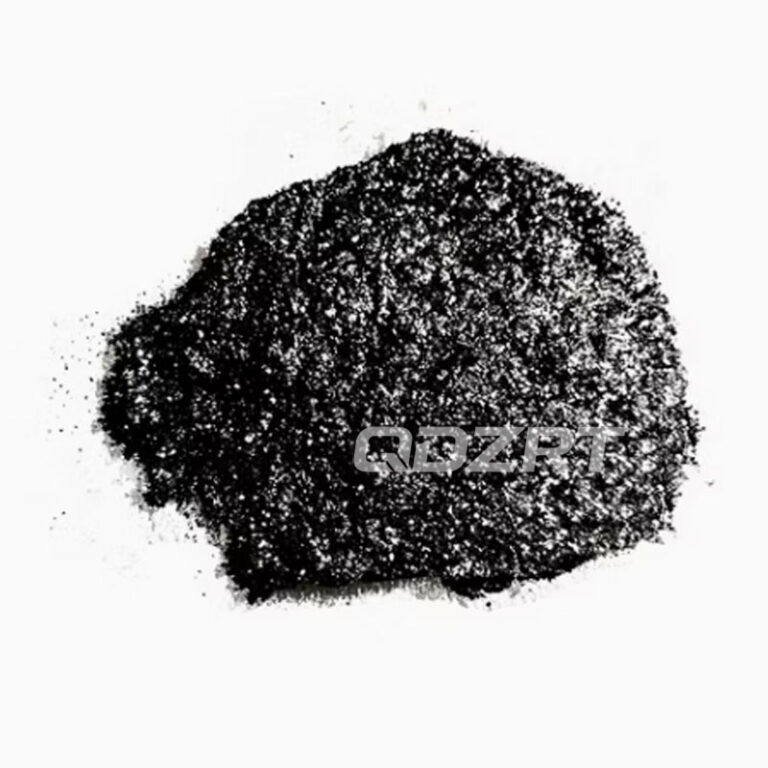
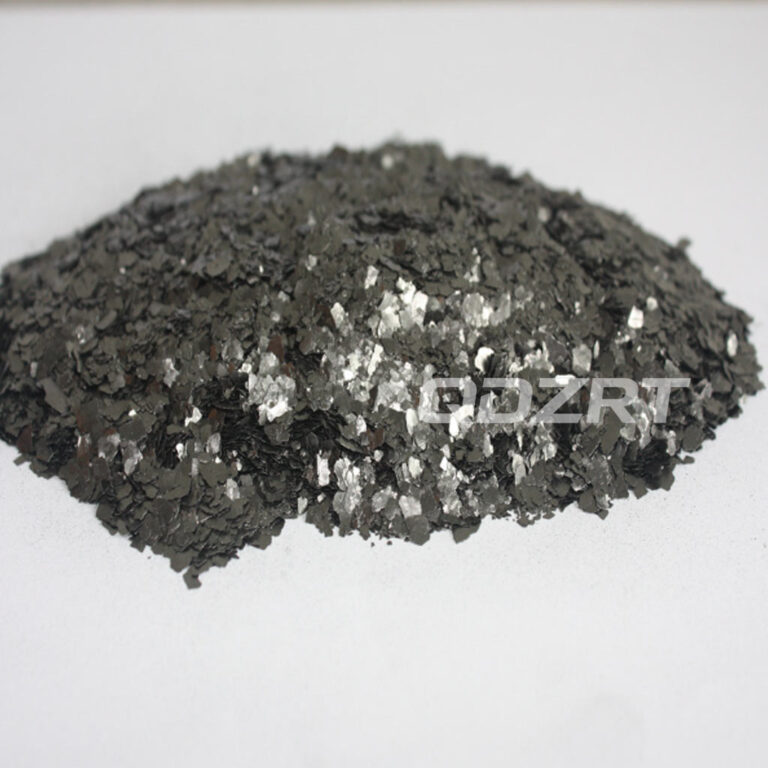
| Natural Flake Graphite | Conductive fillers, conductive coatings, anti-static compounds | Layered flake structure helps build conductive overlap networks in many industrial systems |
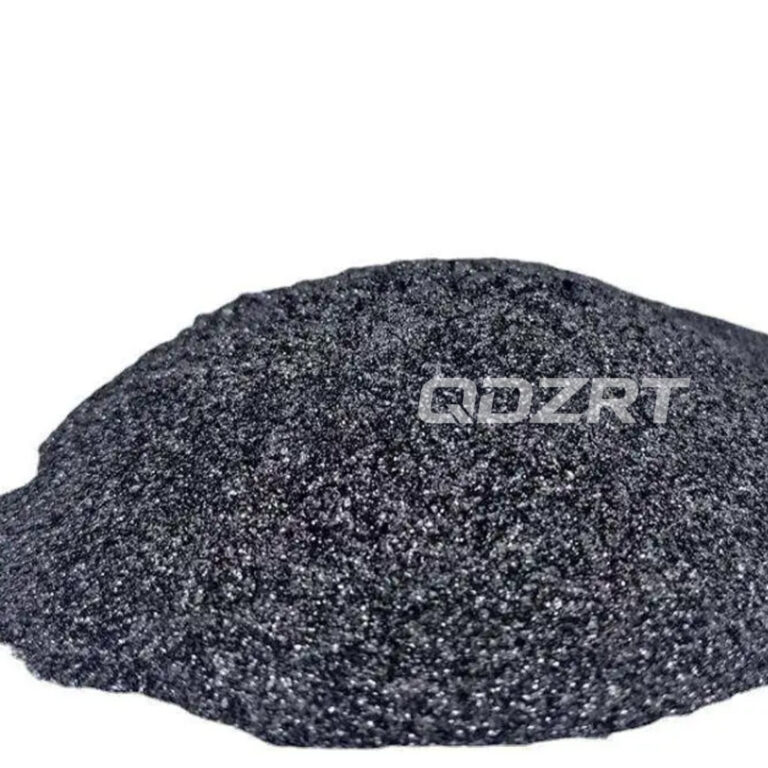
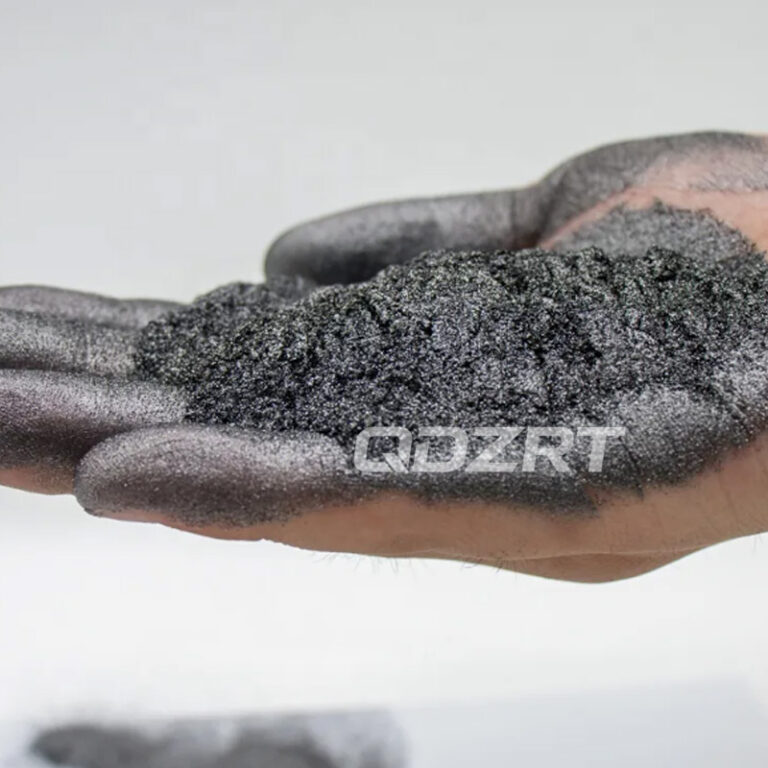
| Natural Graphite Powder | General conductive compounds in coatings, plastics, and rubber | Useful for mainstream industrial formulations that need practical conductivity and workable cost |
| Micronized Graphite Powder | Conductive inks, fine coatings, anti-static and dispersion-sensitive systems | Finer particle size and better dispersion for smoother films and tighter process control |
| High Purity Graphite Powder | Cleaner conductive systems and quality-sensitive electronic materials | Lower impurity profile for formulations where contamination and ash must be controlled |
| Synthetic Graphite Powder | Stable conductive compounds and industrial electronic formulations | Higher purity and stronger batch consistency for more controlled manufacturing environments |
Main Application Areas
- Electrically conductive coatings and conductive paints
- ESD and anti-static plastics, rubber compounds, and polymer systems
- EMI/RFI shielding compounds and static-dissipation materials
- Conductive inks, conductive pastes, and printing-related conductive layers
- Conductive fillers for industrial compounds with added thermal and lubricating functionality
- Selected conductive adhesives, sealants, and coating systems used around electronic assemblies
Selection Guidance
Material selection should start from the finished system rather than from graphite type alone. Conductive coatings usually place strong emphasis on film uniformity, application behavior, and resistivity target. Anti-static plastics and rubber compounds often focus more on filler loading, compatibility with the base polymer, and molding or extrusion behavior. Inks and pastes require finer particle size, better dispersion control, and smoother deposited films. Shielding compounds and quality-sensitive electronic materials generally require tighter control of ash, impurity profile, and batch consistency. In practical sourcing, the most important step is not simply choosing graphite, but choosing the graphite route that matches the conductivity target, formulation design, and manufacturing process.