Natural Graphite Source
Processed from natural graphite sources, including flake graphite and amorphous graphite, for different industrial raw material needs.

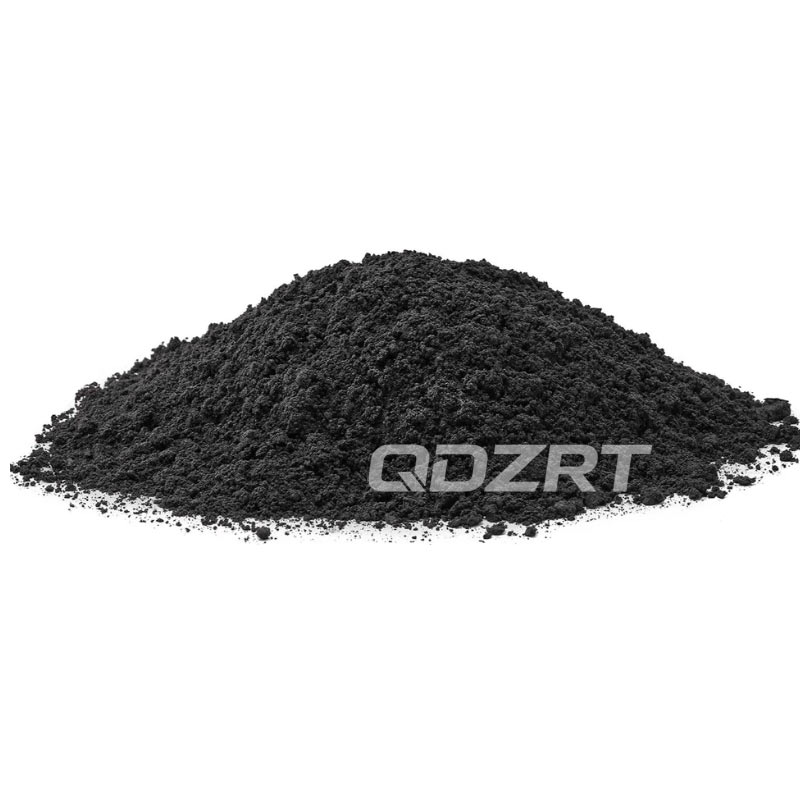
Natural Graphite Powder is a carbon-based industrial raw material processed from natural flake or amorphous graphite for refractory materials, friction products, conductive fillers, sealing compounds, metallurgy, and general industrial carbon systems.
Processed from natural graphite sources, including flake graphite and amorphous graphite, for different industrial raw material needs.
Available in coarse, fine, and application-oriented powder grades according to mesh size, D50 reference, and processing requirements.
Suitable for applications requiring lubricity, conductivity, thermal resistance, chemical stability, and cost-effective carbon performance.
Grades can be selected according to carbon content, ash level, particle size, graphite type, packaging, and end-use application.
Natural Graphite Powder is a carbon-based industrial raw material processed from natural graphite ore, including natural flake graphite and amorphous graphite. Depending on carbon content, ash level, particle size, powder morphology, and purification level, it can be used in applications requiring lubricity, thermal resistance, electrical conductivity, chemical stability, and cost-effective carbon performance.
Compared with synthetic graphite powder or highly purified specialty grades, Natural Graphite Powder is often selected when customers need a practical balance between performance, availability, and cost. It is widely used in refractory materials, friction products, coatings, sealing materials, conductive fillers, metallurgical additives, foundry materials, lubricating formulations, and general industrial carbon systems.
QDZRT Graphite can supply Natural Graphite Powder in different carbon grades, particle size ranges, and powder structures. Available options may include flake-type graphite powder, amorphous graphite powder, fine powder grades, and application-oriented specifications for downstream manufacturing and bulk industrial supply.
The following values are typical reference ranges for product selection. Final specifications may vary according to graphite source, beneficiation process, purification level, grinding method, classification process, and application requirements.
| Item | Typical Specification Range |
|---|---|
| Product Name | Natural Graphite Powder |
| Appearance | Black to dark gray powder |
| Raw Material Source | Natural flake graphite / amorphous graphite |
| Form | Powder |
| Powder Structure | Flake-type / amorphous-type / fine powder grades |
| Carbon Content | Typically 80%–99.9%, depending on product grade |
| Ash Content | Approx. 0.1%–10%, depending on carbon grade and purification level |
| Moisture | Typically ≤0.5%, depending on grade and packaging condition |
| Volatile Matter | Typically ≤1.0% |
| Particle Size | 325 mesh / 500 mesh / 800 mesh / 1000 mesh / 2000 mesh, or customized grades |
| D50 Reference | Approx. 5 μm – 40 μm depending on powder grade |
| pH Value | Typically 5–9 depending on grade |
| Tap Density | Approx. 0.5–1.0 g/cm³ depending on particle size and morphology |
| Application Grade | Refractory Grade / Friction Grade / Conductive Grade / Metallurgical Grade / Industrial Grade |
| Packaging | Moisture-proof bags, kraft bags, jumbo bags, or customized packaging |
| Storage | Store sealed in a cool, dry, and well-ventilated place |
Natural Graphite Powder is not a single fixed specification. Different grades may be selected according to carbon content, ash requirement, powder structure, particle size, and downstream processing conditions.
| Grade Option | Typical Characteristics | Common Applications |
|---|---|---|
| General Industrial Grade | Balanced carbon content, cost-effective performance for industrial applications, and flexible particle size options | Metallurgical additives, foundry materials, general carbon formulations, and industrial fillers |
| Refractory Grade | Good thermal stability, carbon contribution, and compatibility with refractory formulations | Refractory bricks, castables, high-temperature materials, and metallurgical furnace systems |
| Friction Material Grade | Good lubricity and suitable particle behavior for friction and wear-related formulations | Brake linings, clutch materials, friction compounds, and wear-control formulations |
| Conductive Filler Grade | Selected carbon level and particle size for conductivity-related applications | Conductive coatings, rubber compounds, plastics, anti-static materials, and carbon fillers |
| Fine Powder Grade | Smaller particle size for improved dispersion and smoother formulation behavior | Coatings, sealing compounds, lubricants, polymers, and specialty industrial mixtures |
Selection should be based on the actual application rather than product name alone. For refractory and metallurgical use, carbon content, ash level, thermal behavior, and particle size are often important. For friction materials and lubricating systems, lubricity, particle shape, and formulation compatibility may matter more. For conductive fillers, carbon content, particle size, dispersion behavior, and loading ratio should be evaluated together.
Natural flake graphite powder is generally preferred where flake morphology, conductivity, lubricity, or higher carbon content is required. Amorphous graphite powder may be selected for more cost-sensitive industrial applications where a practical carbon source is needed. Fine powder grades can be selected when smoother mixing, better dispersion, or more uniform surface coverage is required.
Natural Graphite Powder is usually packed in moisture-proof paper-plastic bags, kraft bags, or jumbo bags according to order quantity, particle size, and export requirements. Custom packaging, particle size adjustment, carbon grade matching, and application-oriented supply options are available for bulk industrial customers.
The product should be stored in a sealed, dry, and well-ventilated environment, protected from moisture, contamination, and unnecessary exposure during transportation and storage. Proper packaging and storage help maintain powder consistency and downstream processing stability.
QDZRT Graphite can provide customized Natural Graphite Powder solutions based on carbon content, ash level, particle size, powder fineness, graphite type, and intended application. If you need material for friction products, refractory compounds, conductive systems, sealing materials, metallurgical additives, or general industrial carbon formulations, we can recommend a suitable grade according to your technical requirements.
Natural flake graphite powder is processed from flake graphite and usually has a more obvious flake structure, better lubricity, and stronger conductivity potential. Amorphous graphite powder is often selected for cost-effective industrial carbon applications where strict flake morphology is not required.
The suitable carbon content depends on the application. Refractory, conductive, and higher-performance formulations may require higher carbon content, while some bulk metallurgical or foundry applications may use more cost-effective industrial grades.
Mesh size can be used as a commercial reference, but particle size distribution or D50 data is often more useful for fine powder applications. For coatings, conductive fillers, sealing compounds, and lubricating systems, dispersion behavior and particle distribution should also be considered.
Selected natural graphite powder grades can be used in conductive coatings, plastics, rubber compounds, and anti-static materials. Conductive performance depends on graphite grade, carbon content, particle size, loading ratio, and formulation design.
Yes. Particle size, carbon content, ash level, packaging format, and application-oriented grade selection can be discussed according to customer requirements and downstream processing conditions.
Please provide the target application, required carbon content, particle size or D50 value, ash requirement, preferred graphite type, trial quantity, bulk order quantity, and packaging preference. This information helps select a more suitable Natural Graphite Powder grade.
 PRODUCT
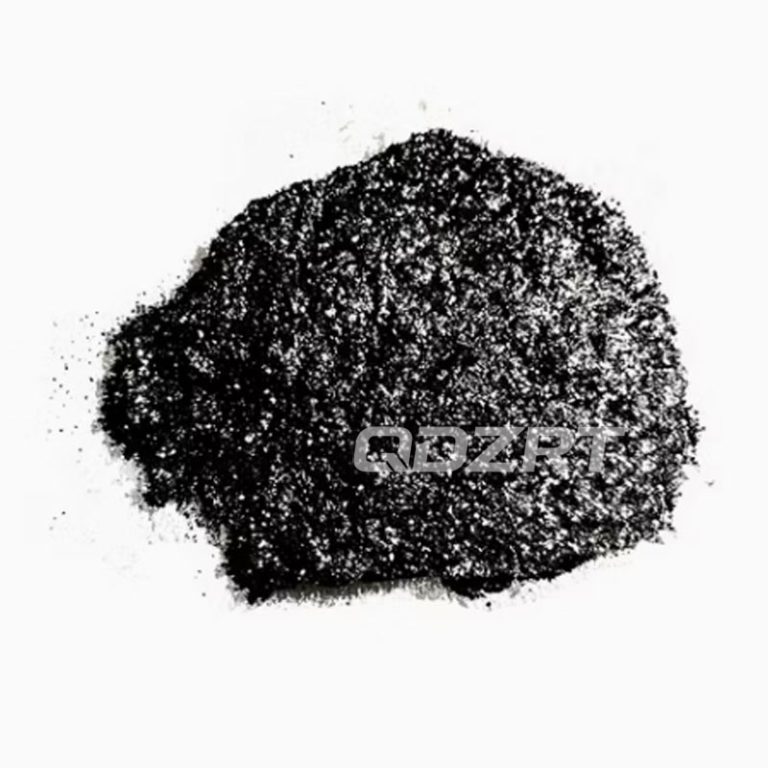
Synthetic Graphite Powder is an engineered carbon material with high carbon content, low ash options, controlled particle size, and stable conductive performance for conductive fillers, friction materials, metallurgy, battery-related materials, and industrial compounds.
 PRODUCT
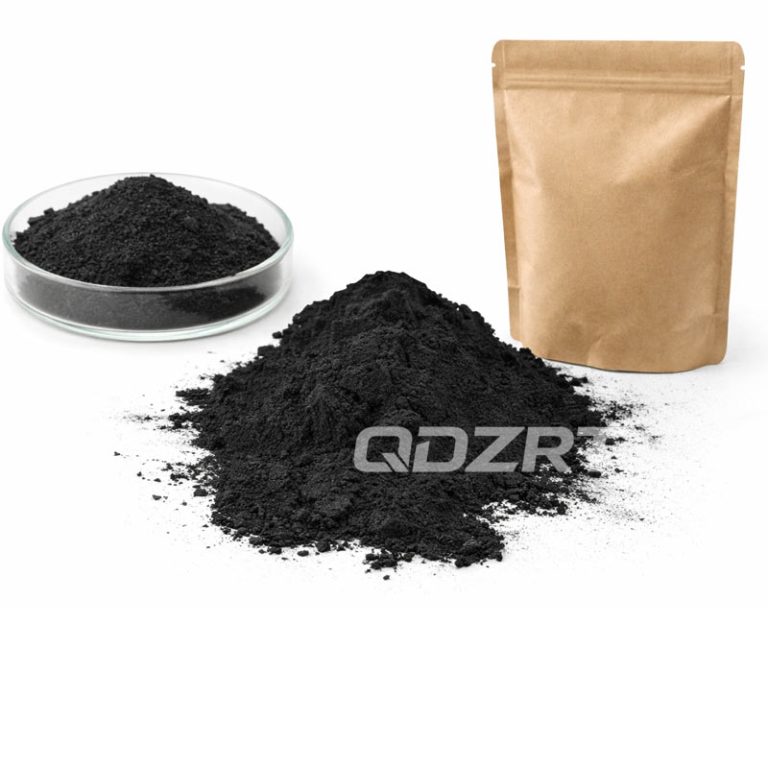
High Purity Graphite Powder is a refined graphite material with high carbon content, low ash, controlled impurity levels, and selectable particle size for conductive, metallurgical, refractory, battery-related, and specialty industrial applications.
 PRODUCT
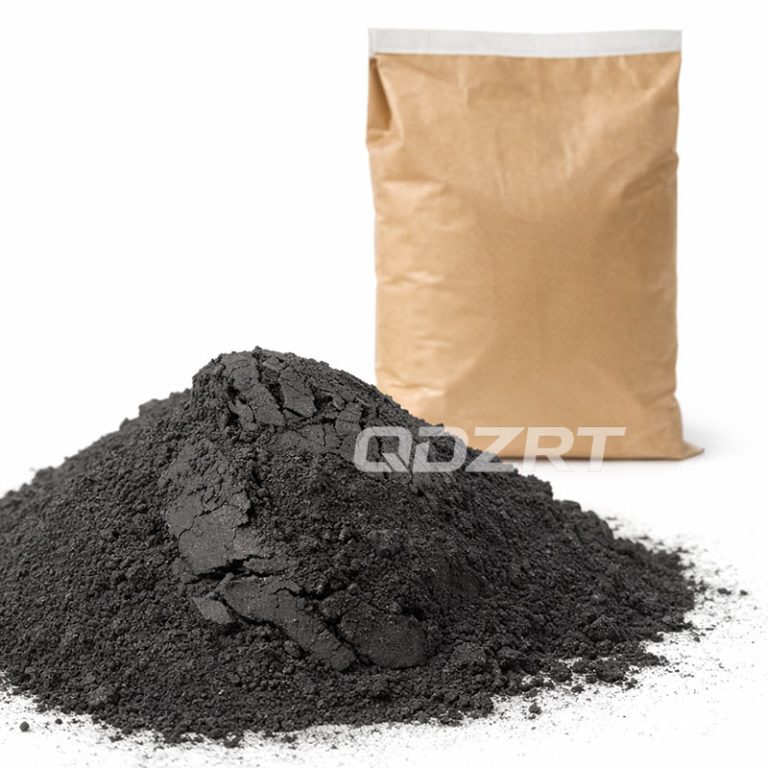
Micronized Graphite Powder is a fine graphite material with controlled particle size distribution for coatings, inks, lubricants, conductive fillers, polymers, friction materials, and industrial formulations.
 PRODUCT
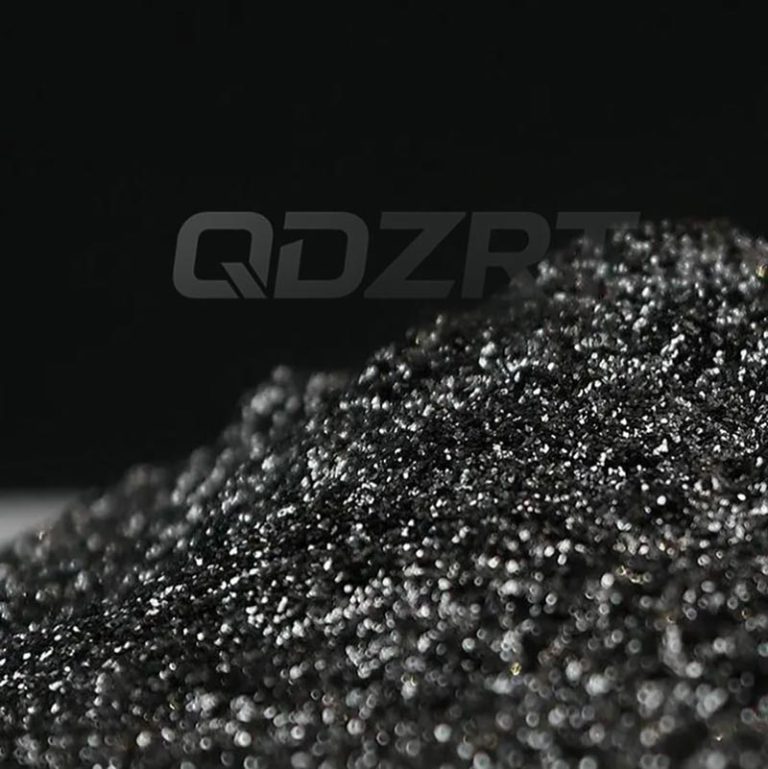
Natural Flake Graphite is a natural crystalline graphite material with distinct flake-like morphology, commonly specified by flake size, carbon content, ash level, and downstream processing requirements. It is suitable for refractories, friction materials, conductive systems, lubricants, sealing materials, battery-related processing, and other industrial formulations.
 PRODUCT
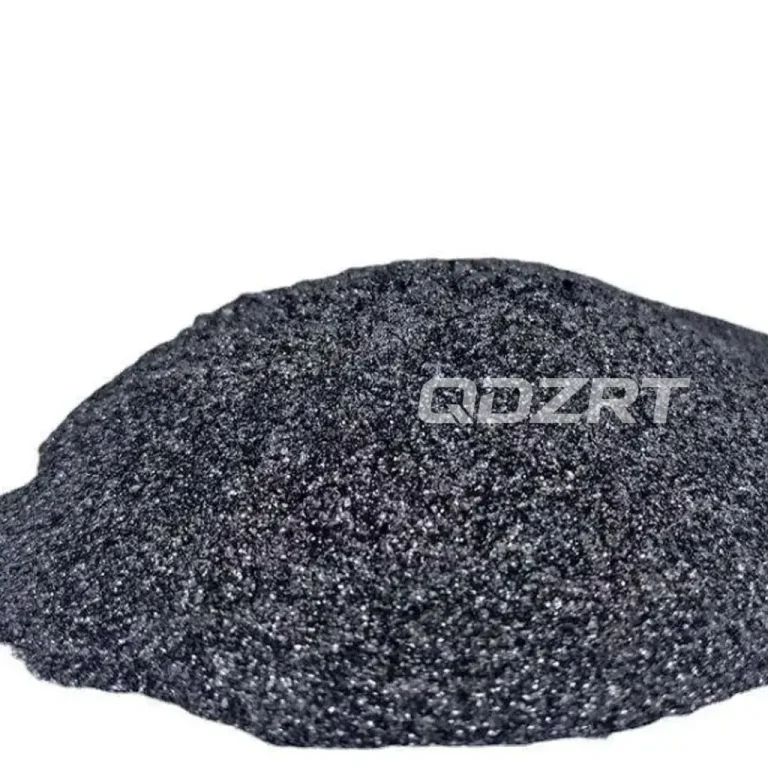
Expandable Graphite is an intercalated flake graphite material that expands under heat, forming a worm-like carbon structure for flame-retardant systems, sealing materials, graphite foil production, coatings, and industrial formulations.
 PRODUCT
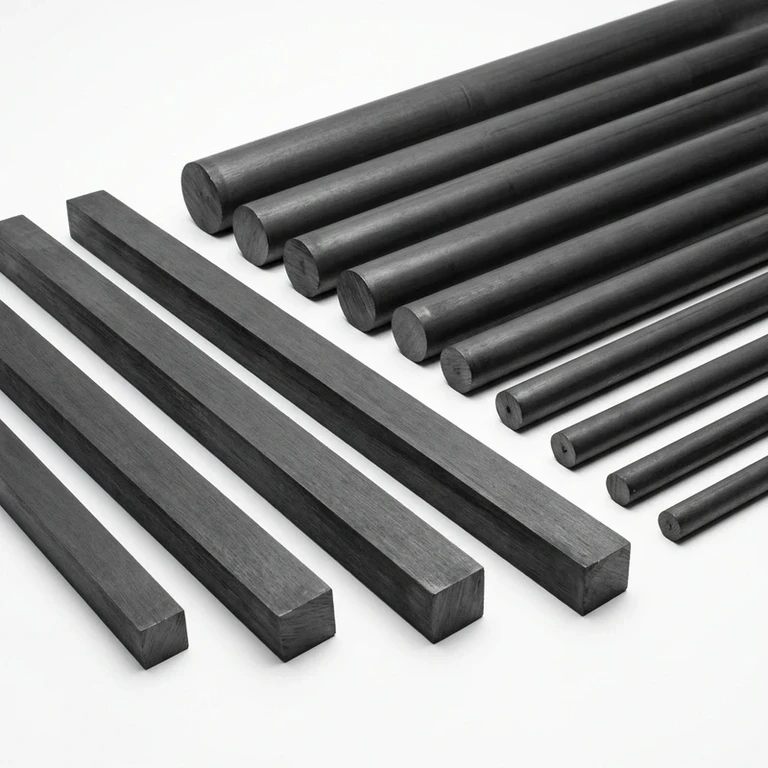
JY Series extruded graphite for rods, heating components, furnace structural parts, larger sections, and general industrial machining where material orientation is considered in selection.
 PRODUCT
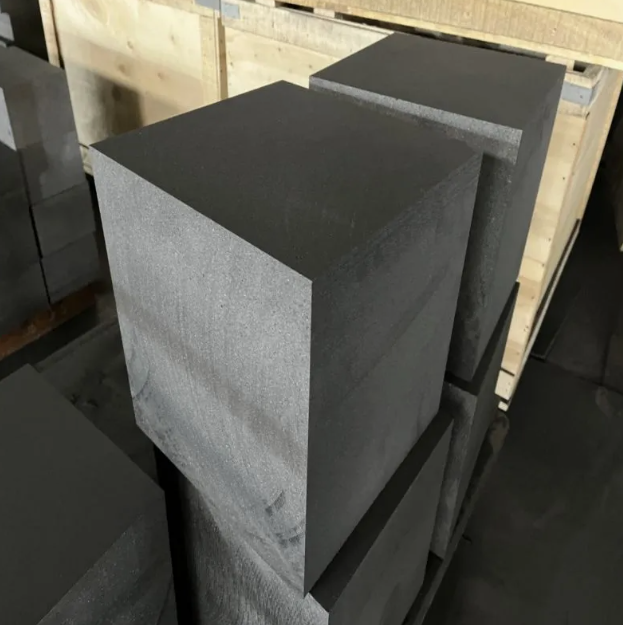
MY Series molded graphite for general industrial blocks, molds, furnace supports, metallurgy, electrodes, and drawing-based machined graphite components.
 PRODUCT
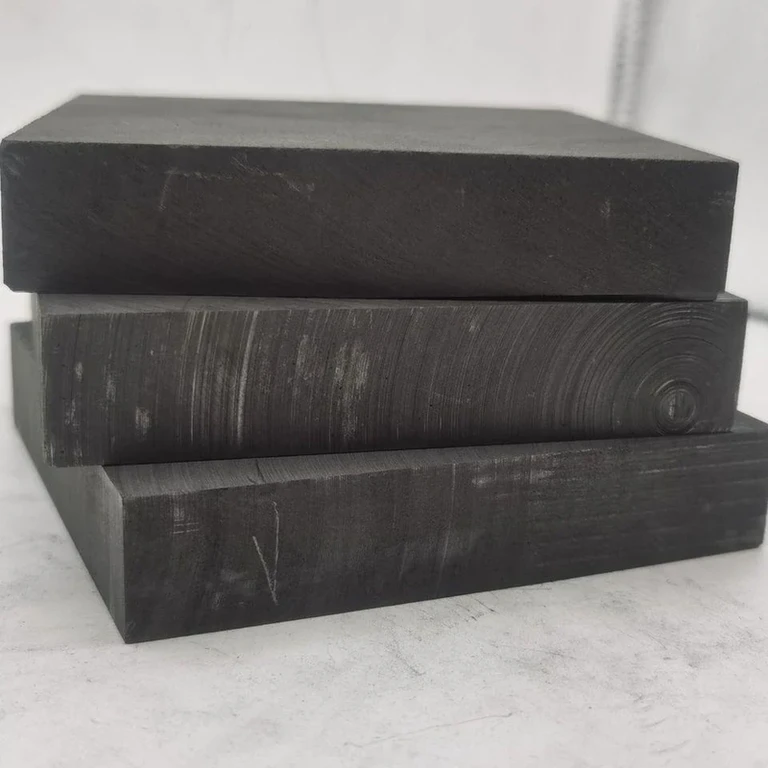
DJY Series isostatic graphite for EDM, precision machining, furnace fixtures, semiconductor-related components, and other applications requiring a uniform graphite structure.