Battery Anode Applications
Developed for lithium-ion battery anode material evaluation and qualification where electrochemical performance and electrode process compatibility matter.

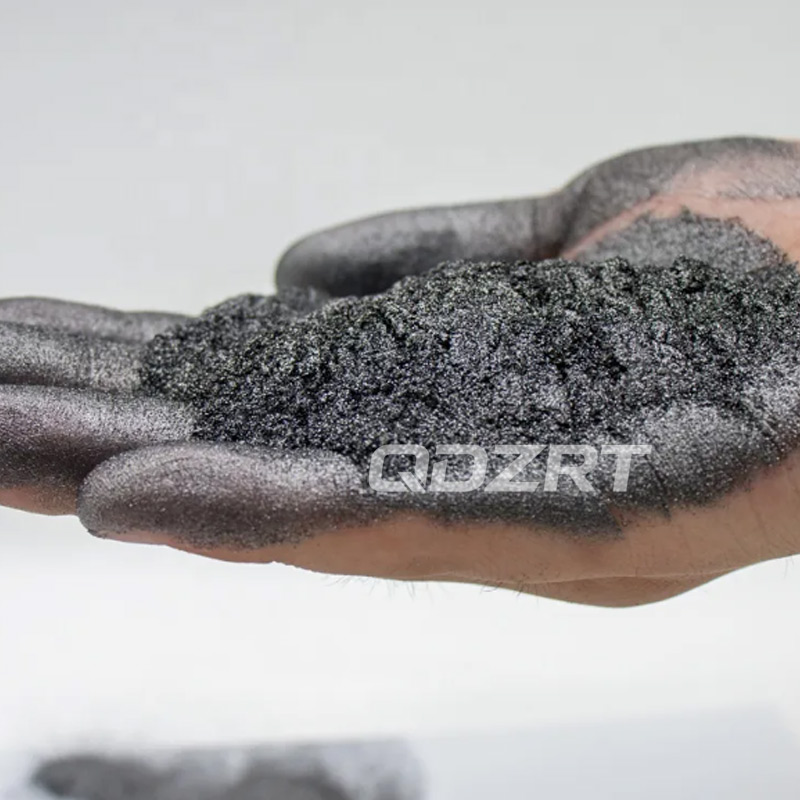
Battery Grade Graphite Anode Materials include natural graphite, synthetic graphite, and modified graphite options for lithium-ion battery anodes, supporting electrode processing, energy density, cycle stability, and application-specific qualification.
Developed for lithium-ion battery anode material evaluation and qualification where electrochemical performance and electrode process compatibility matter.
Selection can consider particle size distribution, tap density, compaction behavior, first-cycle efficiency, and electrode processing needs.
Material selection can start from natural graphite, synthetic graphite, modified graphite, or blended options according to battery targets.
Suitable for sample evaluation, pilot testing, qualification planning, and battery-material evaluation and qualification.
Battery Grade Graphite Anode Materials are graphite-based active material options developed for lithium-ion battery anode systems. Unlike general graphite powders used for lubricants, refractories, foundry materials, or industrial fillers, battery-grade graphite is evaluated according to electrochemical performance, electrode process compatibility, consistency, and long-term cell behavior.
In practical battery production, anode graphite is not selected by purity alone. Particle size distribution, tap density, compaction behavior, first-cycle efficiency, surface condition, impurity control, interface stability, and cycle performance can all influence electrode processing and final battery performance. This is why battery-grade graphite should be discussed as an anode material system rather than a simple graphite powder purchase.
QDZRT Graphite uses SKU CEM-BGA-SMFJ-05 as an inquiry and qualification category covering natural graphite, synthetic graphite, and modified graphite options. The SKU does not represent one universal electrochemical grade; option-specific TDS/COA and qualification data are confirmed after the target material option and cell requirements are selected. Some projects prioritize energy density and cost efficiency, while others require better fast-charging behavior, cycle stability, lower expansion tendency, or more controlled process consistency. The material option should be selected according to the intended battery application, electrode process, and qualification target.
We supply natural, synthetic, modified and blended graphite anode-material options for qualification and industrial sourcing. Final grade selection is confirmed against the customer’s particle-size distribution, tap density, impurity limits, electrode-process targets, qualification protocol, order quantity and packaging requirements.
| Material Option | Typical Industry Description | Main Strength | Typical Use |
|---|---|---|---|
| Natural Graphite Anode Materials | Battery grade natural graphite / natural graphite anode material / natural graphite anode active material | Often associated with energy density potential, good conductivity, and cost efficiency at production scale | EV, ESS, consumer battery, and high-volume applications where cost and energy density both matter |
| Synthetic Graphite Anode Materials | Battery grade synthetic graphite / artificial graphite anode material / synthetic graphite anode active material | Often selected for structural consistency, fast-charging performance, and long-term stability | High-power cells, fast-charging designs, premium battery projects, and demanding cycle-life targets |
| Modified Graphite Anode Materials | Carbon-coated graphite / surface-treated graphite / modified graphite anode powder | Used when customers need a more tailored balance of efficiency, compaction, and interfacial control | Projects requiring customized electrochemical and electrode processing performance |
The following QDZRT Graphite preliminary selection windows are synthesized from common commercial battery-anode grade ranges and are intended only for early screening and inquiry discussion. They are not a guaranteed specification for one SKU. Final values, test methods, electrode/half-cell protocol, and acceptance limits are confirmed for the selected grade through TDS/COA and qualification data.
| Item | Natural Graphite Option | Synthetic Graphite Option | General Note |
|---|---|---|---|
| Carbon Content | Preliminary reference: ≥99.5% carbon; tighter impurity limits by selected grade | Preliminary reference: ≥99.5% carbon; tighter impurity limits by selected grade | Higher purity and lower impurities are usually preferred in battery applications |
| Tap Density | Preliminary reference: 0.9–1.2 g/cm³ | Preliminary reference: 0.8–1.2 g/cm³ | Important for electrode density and volumetric energy density design |
| Particle Size Distribution | D50 approx. 15–25 μm; final D10/D50/D90 by grade | D50 approx. 8–25 μm; final D10/D50/D90 by grade | Usually selected by slurry, coating, compaction, and performance target |
| First-Cycle Efficiency | Preliminary target: ≥92% by grade/test protocol | Preliminary target: ≥90% by grade/test protocol | Critical for practical lithium utilization and cell formation behavior |
| Compaction Behavior | Reference compaction window: 1.4–1.7 g/cm³; confirm pressure/protocol | Reference compaction window: 1.4–1.7 g/cm³; confirm pressure/protocol | Important for calendaring and volumetric energy density |
| Cycle Stability | Qualification-specific; report with defined cycle protocol | Qualification-specific; report with defined cycle protocol | Depends on cell design, electrolyte system, operating condition, and grade selection |
| Surface Treatment | Optional Coating or Modification Option | Optional Coating or Modification Option | Can support interfacial behavior, SEI stability, and electrode process consistency |
| Main Application Type | Projects balancing energy density, production scalability, and material cost | Fast-charge, high-power, and stability-focused projects | Selection depends on final battery target and qualification process |
| Application Segment | Main Performance Priorities | Possible Graphite Option |
|---|---|---|
| Electric Vehicles (EV) | Energy density, cycle life, charging behavior, production consistency | Natural graphite, synthetic graphite, modified graphite, or blended anode strategy |
| Energy Storage Systems (ESS) | Long-term stability, repeat cycling, scalable cost structure, reliable supply | Natural graphite, synthetic graphite, or an optimized blended graphite option |
| Consumer Electronics | Compact energy storage, stable processing, high-volume manufacturing quality | Battery-grade natural graphite, synthetic graphite, or modified graphite |
| Power Tools | Practical rate capability, charge acceptance, repeat-use durability | Synthetic graphite or a selected high-performance graphite option |
We support battery graphite selection and qualification based on application requirements and project specifications. Depending on customer needs, the discussion may begin from natural graphite, synthetic graphite, modified graphite, or a blended graphite pathway. Some customers start from energy-density priorities, while others are more concerned with fast-charging behavior, cycle retention, or process consistency during electrode production.
This category is also useful for customers who are still at the early technical evaluation stage. In those cases, the main goal is often not to finalize one exact grade immediately, but to identify whether the project is better aligned with a natural graphite option, a synthetic graphite option, or a modified graphite option. This supports early-stage technical communication as well as more mature procurement discussions.
Battery Grade Graphite Anode Materials can be supplied according to project stage and industrial handling requirements. Common supply formats may include small qualification quantities for technical evaluation, pilot-scale supply for process verification, and bulk material supply for continued qualification or production planning.
Packaging can be arranged with attention to powder stability, contamination control, moisture protection, and transportation safety according to customer requirements. For battery-related materials, proper packaging and handling are important for maintaining powder consistency and reducing unnecessary contamination risk during storage and transportation.
Battery grade graphite is evaluated as an anode material option, not just as a carbon powder. In addition to purity, we review particle size distribution, tap density, compaction behavior, first-cycle efficiency, surface condition, cycle stability, and electrode-process compatibility.
The choice depends on the battery design and performance target. Natural graphite is often considered when a project must balance energy density, production scalability, and material cost, while synthetic graphite is often considered for fast-charging performance, structural consistency, and long-term stability. Modified or blended routes may be used when a more targeted balance is required.
Modified graphite options, such as carbon-coated or surface-treated graphite, may be discussed according to application requirements. These routes are often considered when customers need improved interface behavior, cycle stability, compaction behavior, or electrode process adaptability.
Please provide the battery application, project stage, preferred material option, particle size target, tap density or compaction requirement, first-cycle efficiency target if available, and whether the project prioritizes energy density, fast charge, cycle life, or process consistency.
Yes. Graphite remains one of the mainstream anode material systems because it offers electrochemical stability, mature manufacturing processes, scalable supply, and practical commercial feasibility for many lithium-ion battery applications.
No. Battery graphite should be selected according to cell design, performance target, electrode process, and qualification requirements. EV, ESS, consumer electronics, and power tool applications may require different graphite options and performance balances.
 PRODUCT
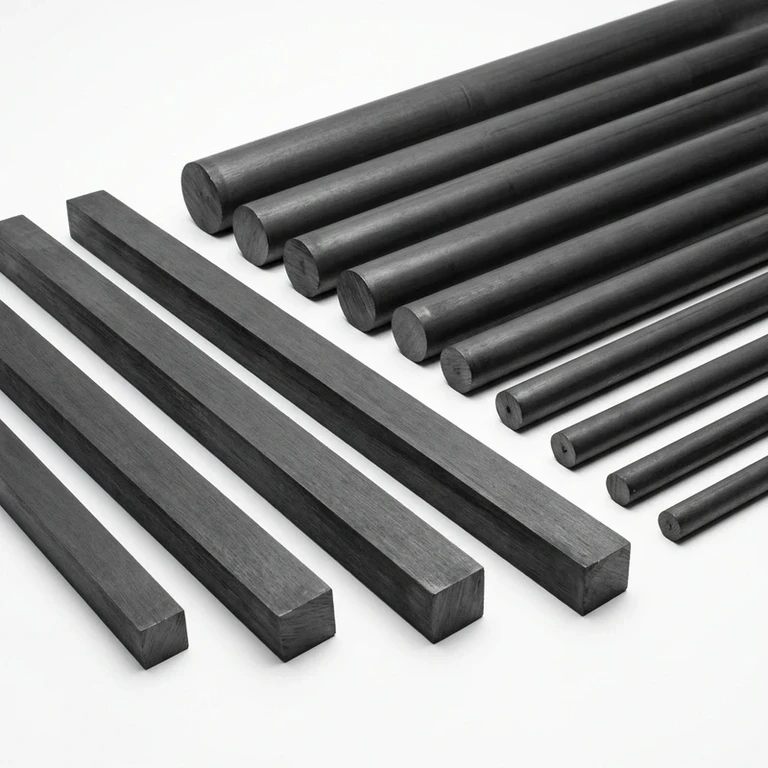
JY Series extruded graphite for rods, heating components, furnace structural parts, larger sections, and general industrial machining where material orientation is considered in selection.
 PRODUCT
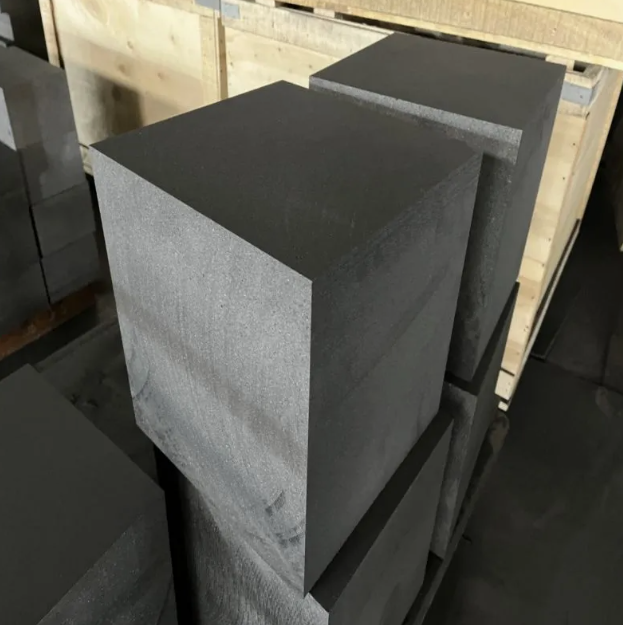
MY Series molded graphite for general industrial blocks, molds, furnace supports, metallurgy, electrodes, and drawing-based machined graphite components.
 PRODUCT
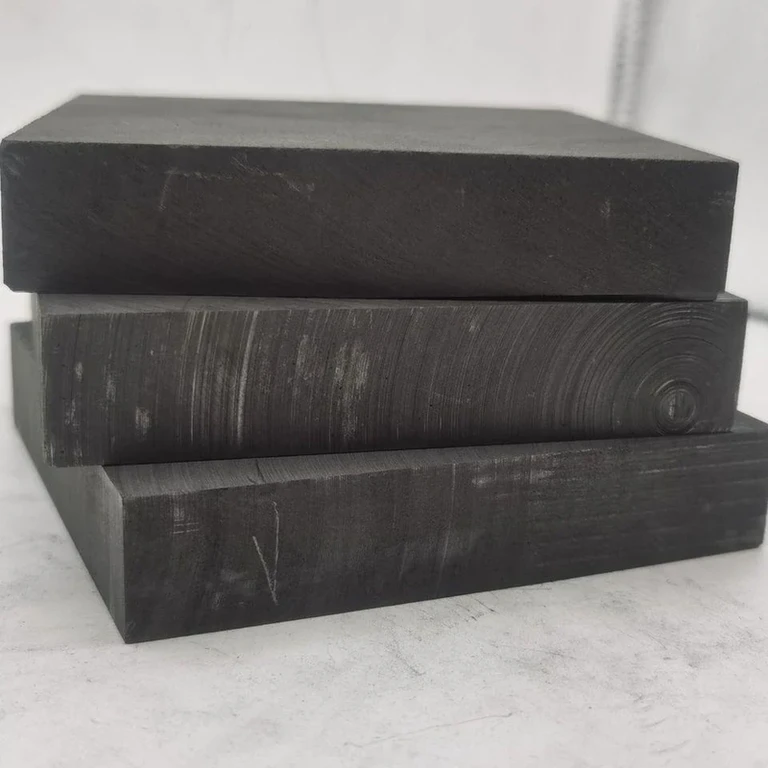
DJY Series isostatic graphite for EDM, precision machining, furnace fixtures, semiconductor-related components, and other applications requiring a uniform graphite structure.
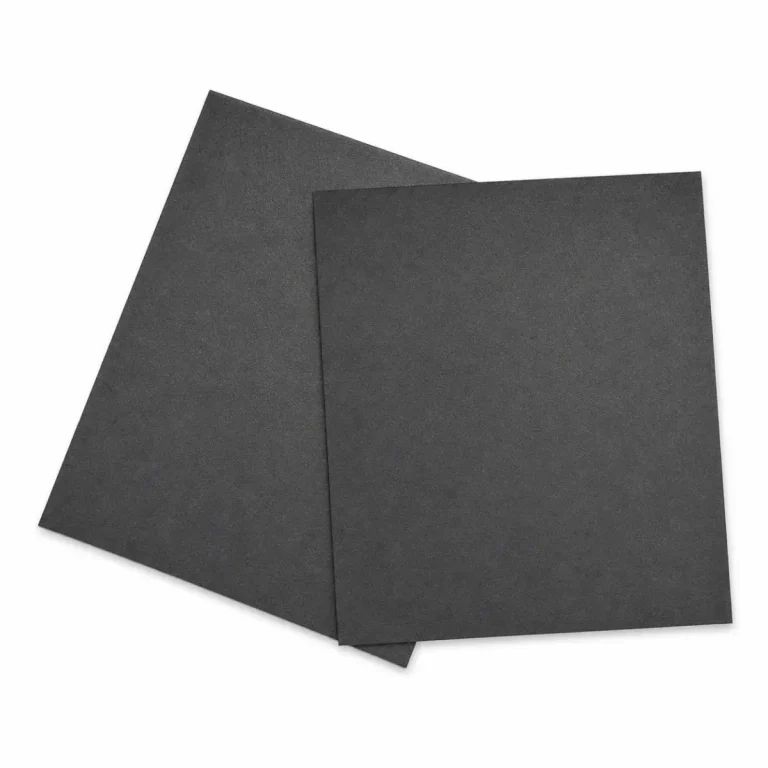 PRODUCT
Thin flexible graphite paper and graphite roll material for heat spreading, lamination, die-cutting, adhesive backing, sealing sheets and thermal management processing.
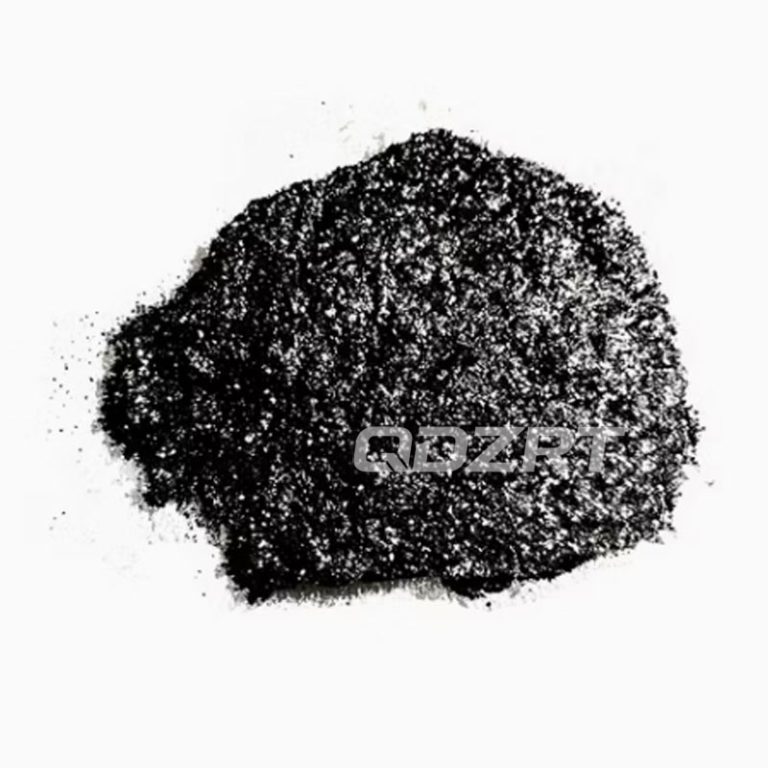 PRODUCT
Synthetic Graphite Powder is an engineered carbon material with high carbon content, low ash options, controlled particle size, and stable conductive performance for conductive fillers, friction materials, metallurgy, battery-related materials, and industrial compounds.
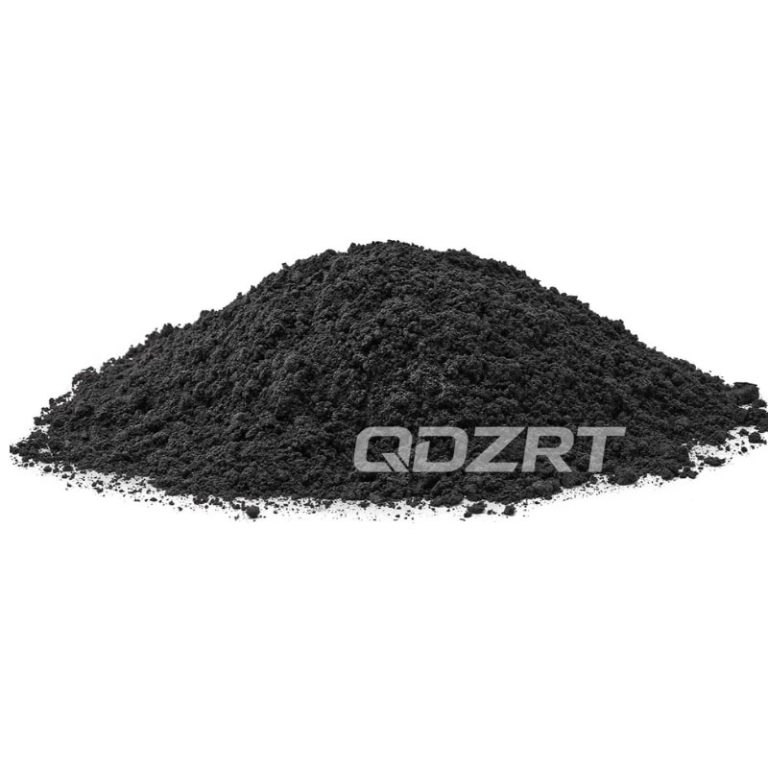 PRODUCT
Natural Graphite Powder is a carbon-based industrial raw material processed from natural flake or amorphous graphite for refractory materials, friction products, conductive fillers, sealing compounds, metallurgy, and general industrial carbon systems.
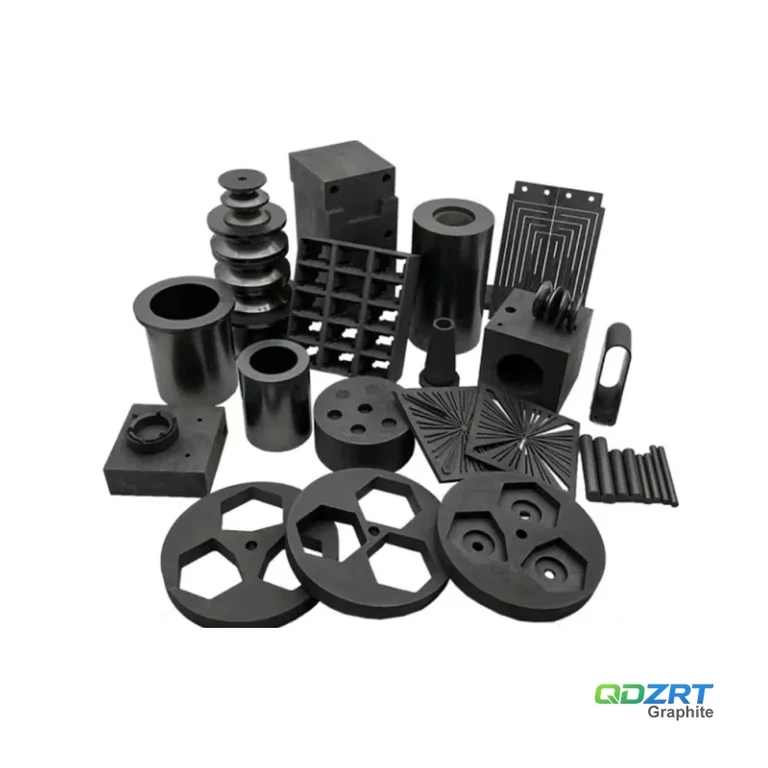 PRODUCT
Custom Graphite Machined Parts are drawing-based graphite components manufactured from isostatic, molded, extruded, fine grain, or high purity graphite for EDM, thermal processing, metallurgy, sealing, and industrial equipment.
 PRODUCT
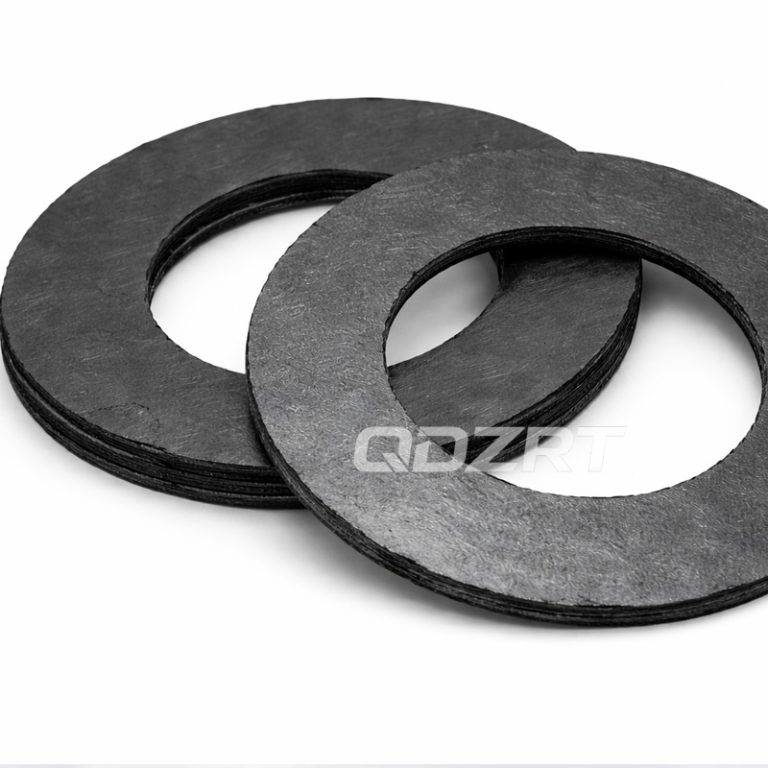
Graphite Sealing Materials cover flexible graphite sheets, reinforced graphite sheets, graphite gaskets, packing rings, braided packing, and graphite-filled gasket solutions for valves, pumps, flanges, steam lines, and industrial equipment.