Graphite Materials for Fire Protection, Refractory, and Thermal Insulation Systems
Graphite enters fire-protection and refractory applications through two different industrial routes. One route is expansion-based protection, where the material is expected to expand under heat and form an insulating char structure. The other route is high-temperature structural or insulating use, where the material is valued for thermal shock resistance, dimensional stability, and survival in severe heat. These two routes overlap in temperature language but they are not the same business. Buyers need to distinguish clearly between expandable graphite for protective systems and structural graphite used in refractory or hot-zone environments.
This distinction is well reflected in industry literature. Expandable graphite is commonly presented as a flame-retardant or intumescent route for coatings, foams, polymer systems, and fire-protective structures. By contrast, specialty graphite for refractory and high-temperature industrial service is usually described in terms of thermal shock resistance, low thermal expansion, strength retention at elevated temperature, and suitability for hot environments. These are related, but they solve different engineering problems.
Expansion-Based Fire Protection
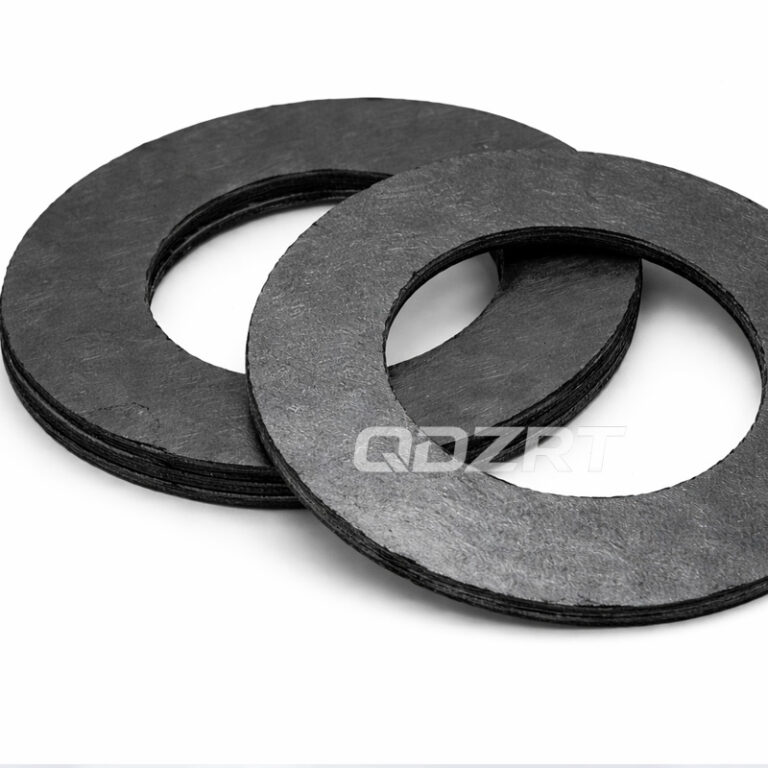
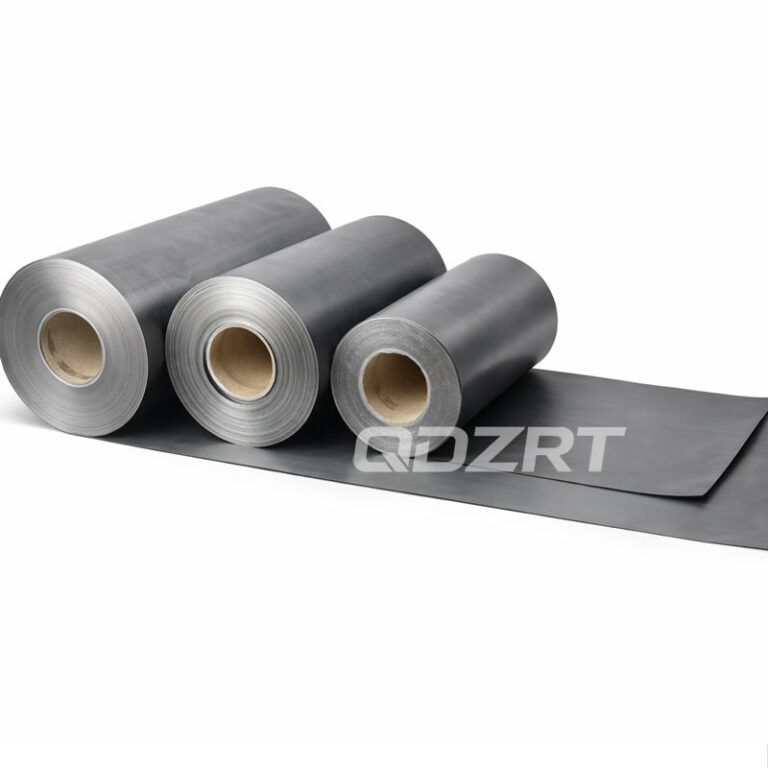
In intumescent and fire-protective systems, the graphite route is driven by expansion behavior. When exposed to sufficient heat, the material expands and helps build a protective layer that slows heat transfer and shields the substrate. That is where Expandable Graphite becomes the most relevant product route. It is used in intumescent coatings, flame-retardant polymers, protective boards, sealing structures, and selected composite systems where expansion under heat is the core function.
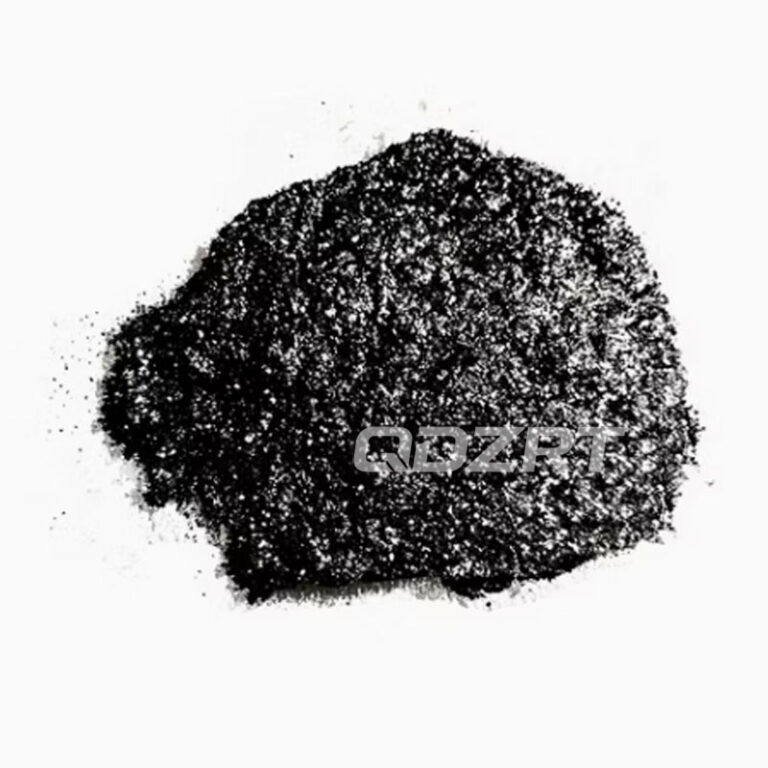
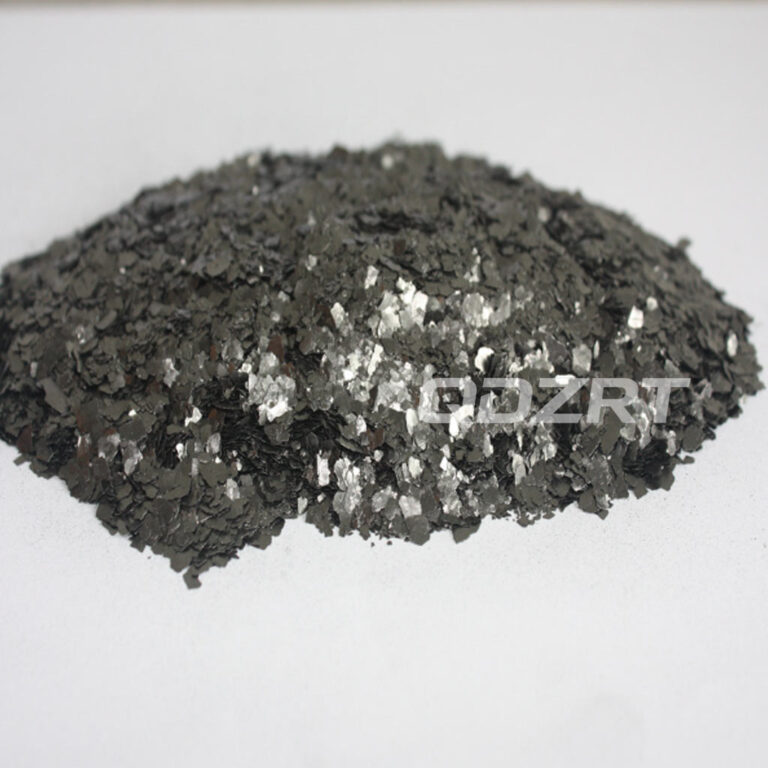
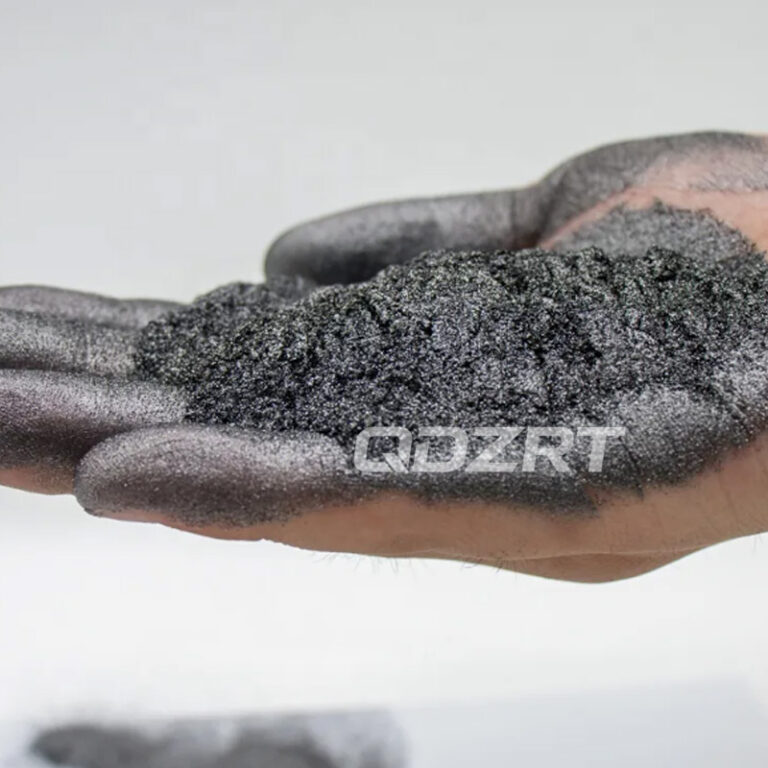
At the upstream stage, Natural Flake Graphite remains important because it is the raw-material route that feeds expandable graphite production. For buyers involved in the supply chain rather than finished fire-protective products, this distinction matters: natural flake graphite sits upstream, while expandable graphite is the functional route used in the protective system itself.
High-Temperature Service and Refractory Logic
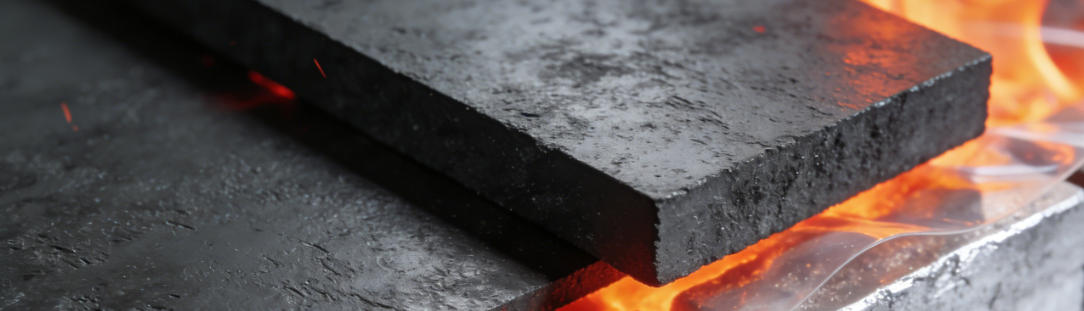
Graphite is also used where the need is not expansion but thermal resistance, thermal shock stability, and structural service in high-temperature equipment. In these applications, the material may appear in furnaces, hot zones, process fixtures, supports, and parts that must survive repeated heating without losing shape or performance too quickly. This is closer to refractory logic than to coating logic, even though the surrounding language still involves heat and fire.
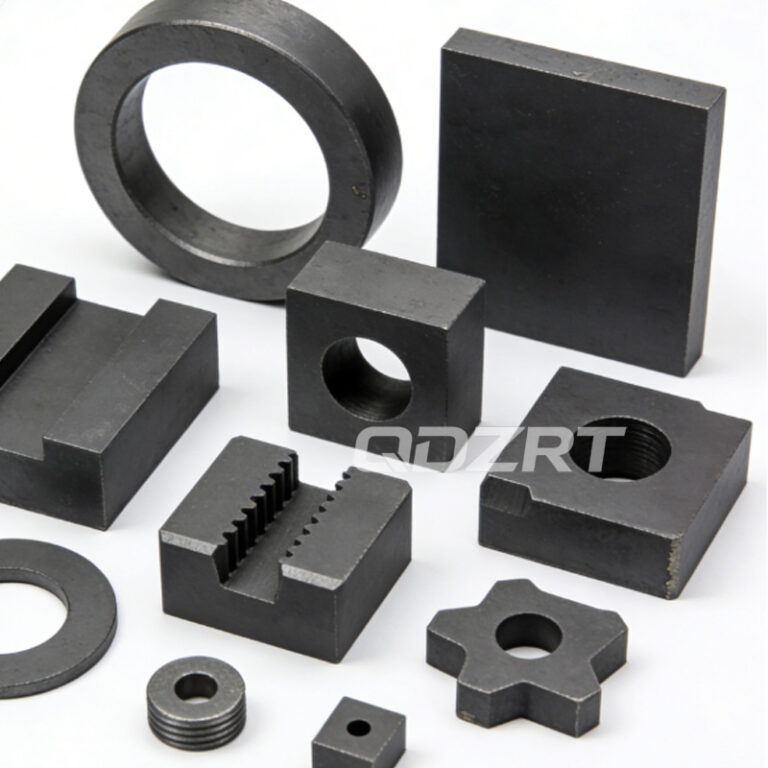
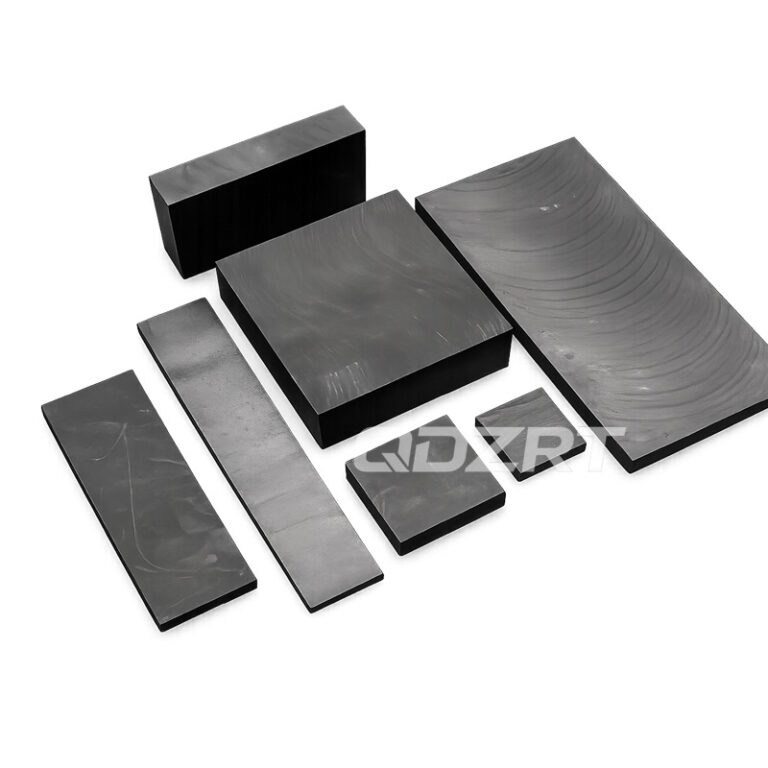
For that route, Graphite Block is the more direct material direction because it can be used as a machinable structural graphite route for high-temperature supports, shields, and thermal components. Where the requirement is already processed into application-specific parts, Custom Graphite Machined Parts becomes more commercially relevant because many high-temperature systems need drawing-based parts rather than stock shapes.
Where the Material Is Actually Used
In practical industry terms, expandable graphite is more likely to appear in flame-retardant boards, intumescent seals, fire-protective coatings, polymer compounds, and related protection systems. Structural graphite in refractory-style service is more likely to appear in furnaces, thermal equipment, engineered supports, and high-temperature process hardware. Some projects combine both logics, but they should still be sourced as different material routes because the working mechanism and supply form are not the same.
Main Application Areas
- Intumescent and fire-protective systems using expansion-based graphite routes
- Flame-retardant polymers, boards, seals, and protection structures
- Upstream natural flake graphite supply for expandable graphite processing
- High-temperature supports, shields, and thermal parts in refractory-style service
- Custom graphite components for hot environments and severe thermal systems