Graphite Materials for Aerospace and Advanced Manufacturing Applications
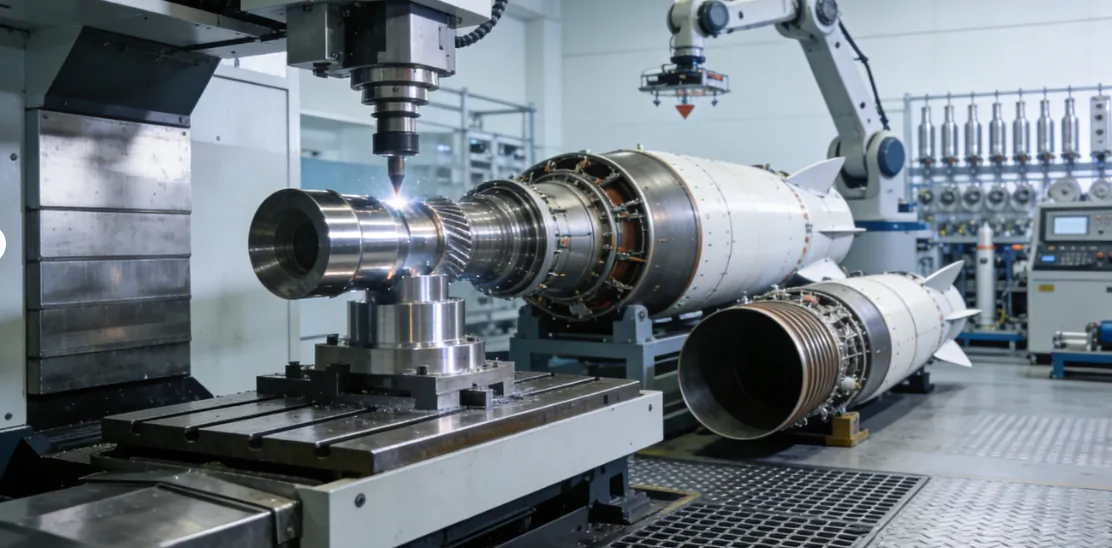
In aerospace and advanced manufacturing, graphite is usually selected for one of two reasons. The first is that it performs reliably in high-temperature process environments where metal parts may distort, contaminate the workpiece, or become uneconomical to replace. The second is that it can be machined into precise, application-specific components for thermal processing, EDM tooling, semiconductor equipment, and engineered fixtures. That is why graphite is less often treated as a generic raw material in this field and more often treated as a process material or a precision component material.
Industrial suppliers in this sector typically present graphite in terms of application fit rather than only basic chemistry. The emphasis is usually on high-temperature stability, dimensional consistency, machinability, thermal shock resistance, purity control, and suitability for demanding process conditions. In practical terms, buyers in aerospace and advanced manufacturing are often looking for graphite parts, graphite tooling, furnace fixtures, EDM electrodes, heat-treatment supports, susceptors, shields, and other engineered components that can survive severe service conditions with repeatable performance.
Heat Treatment, Furnace Fixtures, and Process Hardware
A major part of aerospace-related graphite demand comes from thermal processing. Aerospace alloys, specialty steels, titanium parts, and other engineered materials are commonly heat treated, brazed, sintered, graphitized, or otherwise processed in controlled thermal environments. In those systems, graphite is valued because it is dimensionally stable at high temperature, easy to machine, and suitable for fixtures, trays, boats, posts, supports, and shielding parts used inside furnaces and hot zones.
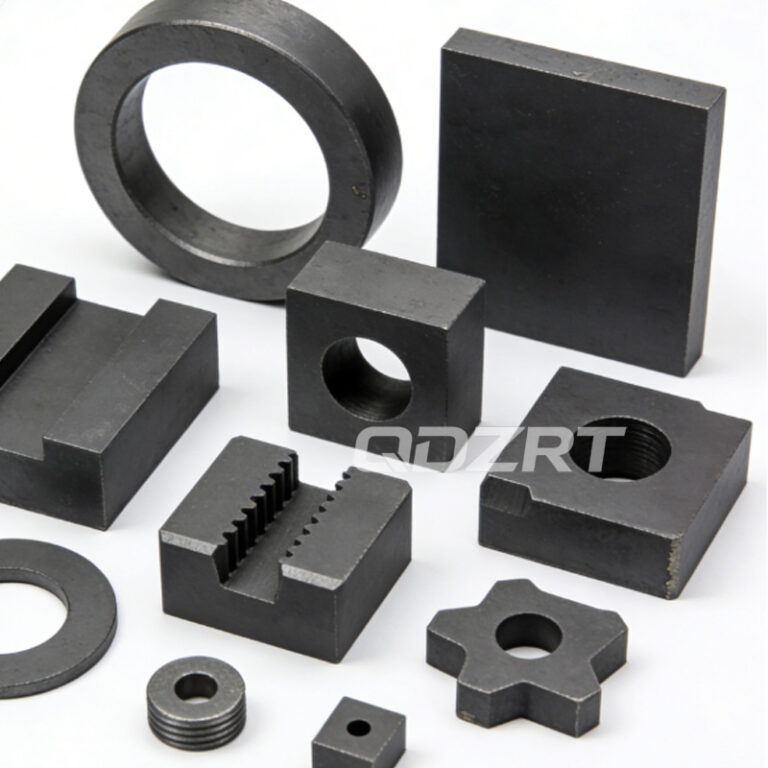
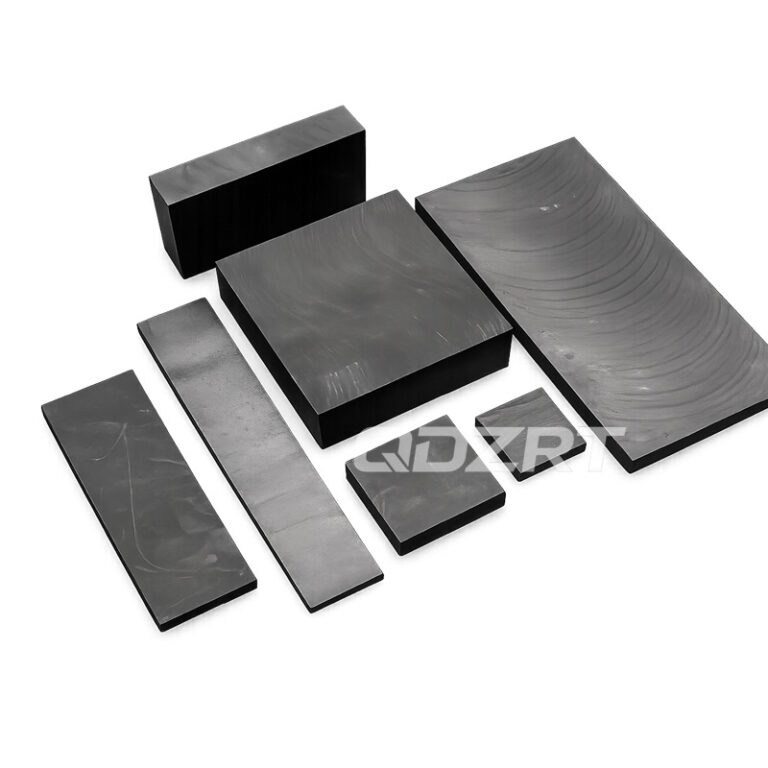
For this route, Graphite Block is the most direct product in the current QDZRT Graphite range. It is the practical starting material for furnace fixtures, process supports, thermal shields, and structural graphite parts that must be machined to specific sizes. In applications where the user is not buying raw blocks but completed process hardware, Custom Graphite Machined Parts is the more commercially relevant route because many buyers need drawing-based graphite parts that match existing equipment, tolerances, and furnace layouts.
EDM, Tooling, and Precision Manufacturing
Graphite also has an established role in advanced manufacturing through EDM. Fine-grain and isotropic graphite grades are widely used for EDM electrodes because they are easy to machine, resist thermal shock, remain dimensionally stable, and can support high material removal rates in many tooling operations. This makes graphite relevant not only to direct electrode supply but also to mold making, tooling production, precision cavity machining, and specialized manufacturing workflows where repeatability matters.
In this part of the market, the customer is usually not looking for a general industrial graphite description. The real question is whether the graphite can be machined cleanly, hold geometry, and perform consistently during repeated spark erosion or thermal exposure. That is why advanced manufacturing buyers tend to focus more on grain structure, uniformity, and machining performance than on broad marketing language.
Semiconductor, Thermal Fields, and Controlled-Environment Processing
Another important overlap between aerospace-grade manufacturing and advanced industrial production is controlled-environment processing. Semiconductor, photovoltaic, and other high-tech manufacturing lines use high-purity graphite tools and thermal-field parts in crystal growth, epitaxy, heat zones, and related equipment. In these applications, purity and dimensional stability become more important because the graphite is part of a precision process environment rather than a general furnace structure.
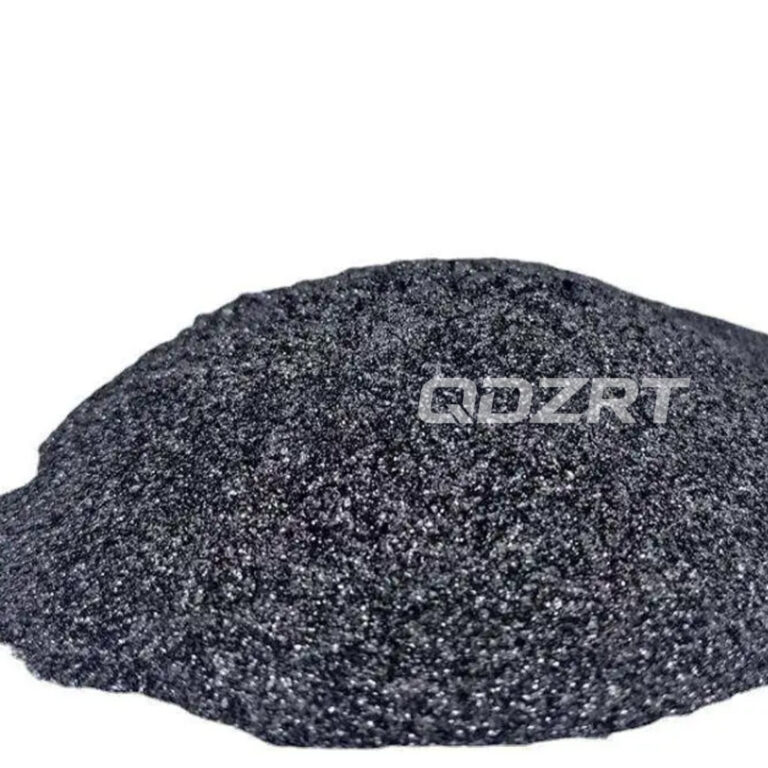
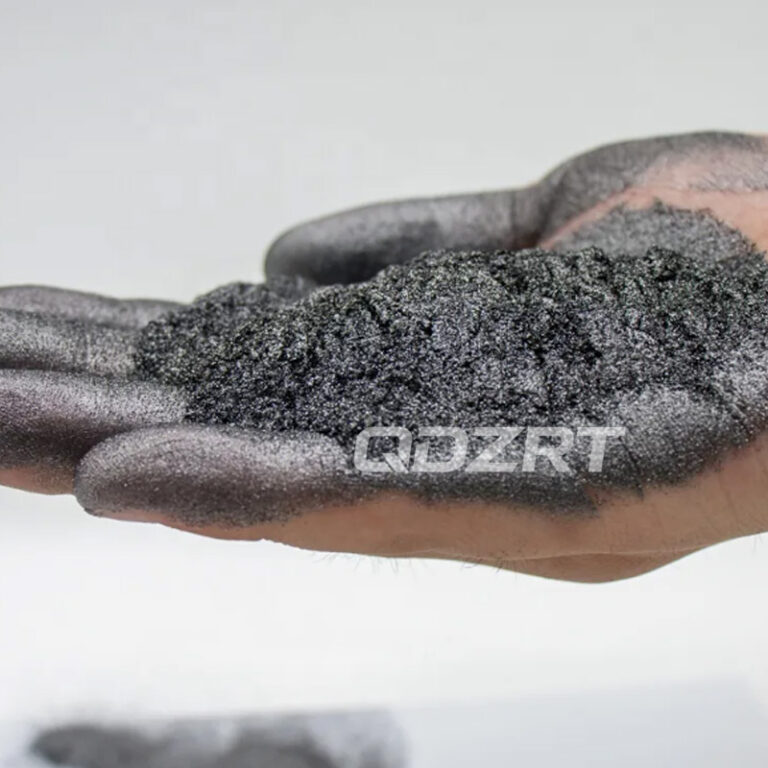
For cleaner process routes and more quality-sensitive systems, High Purity Graphite Powder becomes relevant where impurity control, carbon purity, and downstream cleanliness matter more than general-purpose industrial cost. Not every aerospace or advanced manufacturing project needs this route, but in high-specification production environments it is often the more appropriate material direction.
Where Graphite Fits Best in This Industry
- Heat-treatment fixtures and furnace hardware for aerospace alloys and engineered metals
- Graphite trays, boats, posts, supports, and shields for controlled thermal processes
- EDM electrodes, mold tooling, and precision manufacturing components
- Thermal-field graphite parts for semiconductor and other controlled-environment equipment
- Drawing-based graphite parts for hot zones, process chambers, and custom manufacturing hardware