Graphite Materials for Lithium-Ion Batteries and Energy Storage Systems
Graphite remains the mainstream anode material in lithium-ion batteries because it offers a workable balance of electrochemical reversibility, conductivity, process maturity, and commercial scalability. In battery production, however, graphite is not evaluated like an ordinary industrial powder. Cell makers usually focus on first-cycle efficiency, tap density, compaction behavior, particle size distribution, impurity control, gas evolution, cycle stability, and compatibility with slurry mixing, coating, drying, and calendaring. These factors determine whether a graphite route can move from laboratory validation to pilot qualification and stable manufacturing.
For this reason, the battery industry does not treat all graphite as interchangeable. Natural graphite is often associated with stronger cost efficiency and high-volume production logic, especially where energy density and commercial scale both matter. Synthetic graphite is more commonly discussed when buyers need higher purity, lower ash, stronger consistency, and better support for fast-charge or higher-power designs. In some projects, the final solution is not a single route but a treated, coated, or blended graphite system designed to balance efficiency, cycle life, rate capability, and electrode processing.
How Graphite Functions in Battery Systems
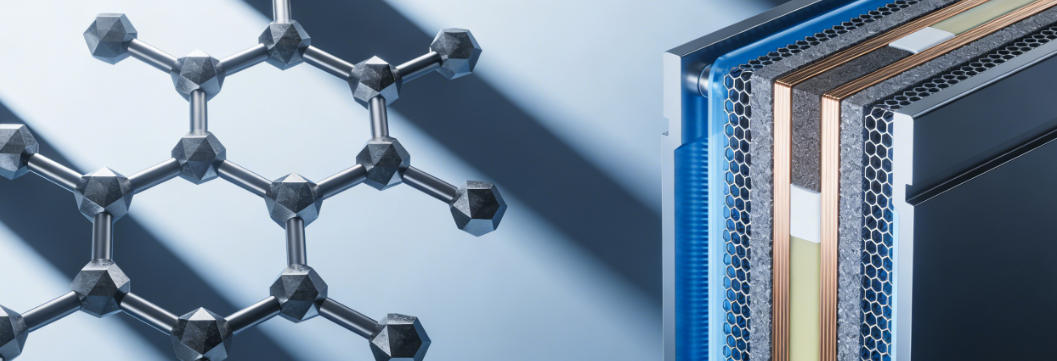
In lithium-ion cells, graphite is used on the anode side because its layered structure can host lithium ions during charging and release them during discharge. That basic mechanism is why graphite continues to dominate mainstream battery manufacturing even while silicon-rich and lithium-metal routes attract attention. In practical sourcing, buyers are rarely looking for generic graphite powder. They are looking for a graphite route that fits the intended cell chemistry, battery segment, manufacturing process, and cost-performance target.
This is especially clear in electric vehicles and energy storage systems. EV batteries usually emphasize energy density, charging behavior, cycle durability, and manufacturing consistency. ESS projects focus more on long-term stability, repeat cycling, supply reliability, and total cost structure. Consumer batteries and power tools may prioritize compact energy, process stability, or practical high-rate performance. These differences explain why battery graphite selection is application-driven rather than based on purity alone.
Relevant QDZRT Graphite Product Routes
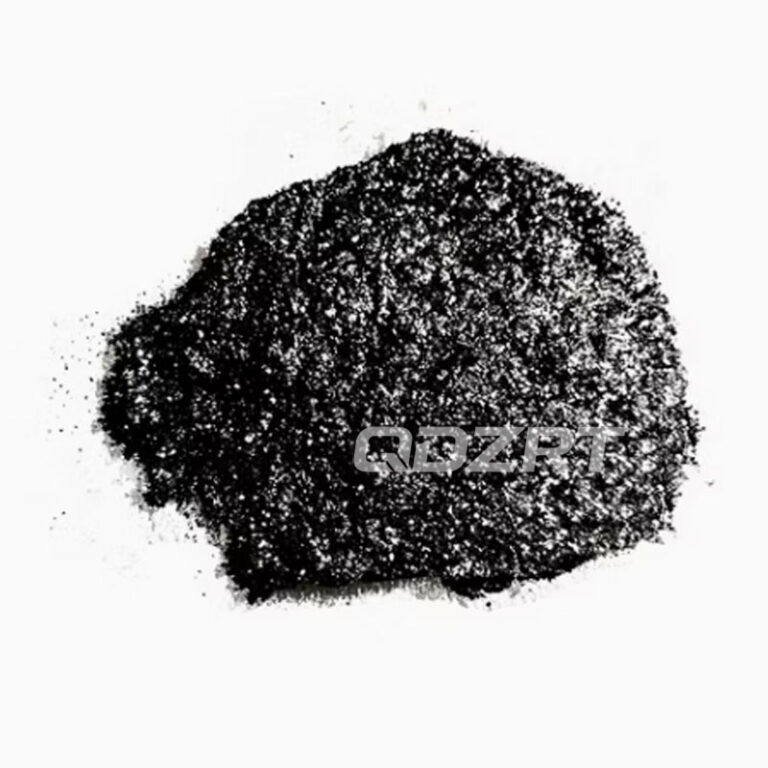
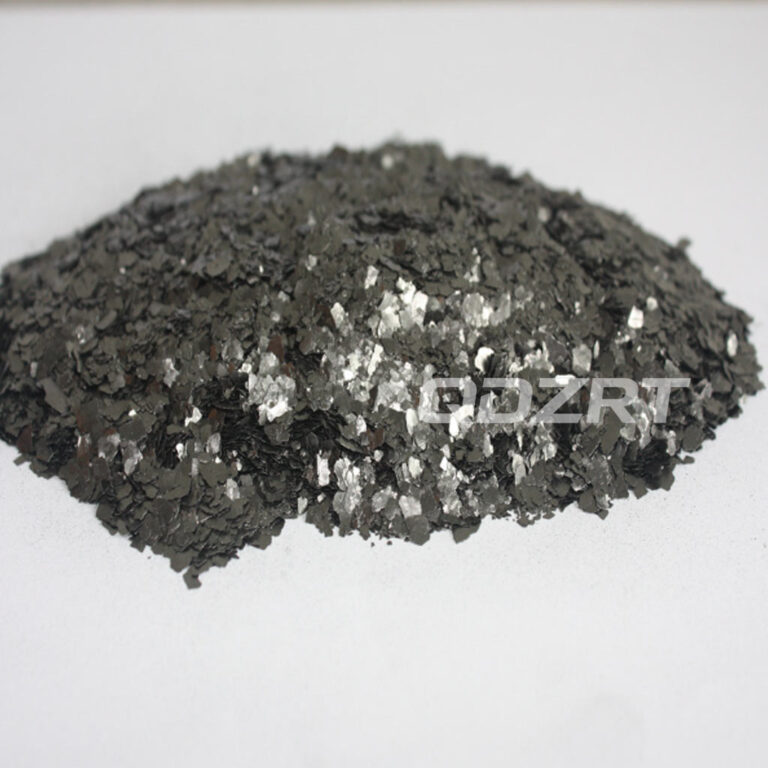
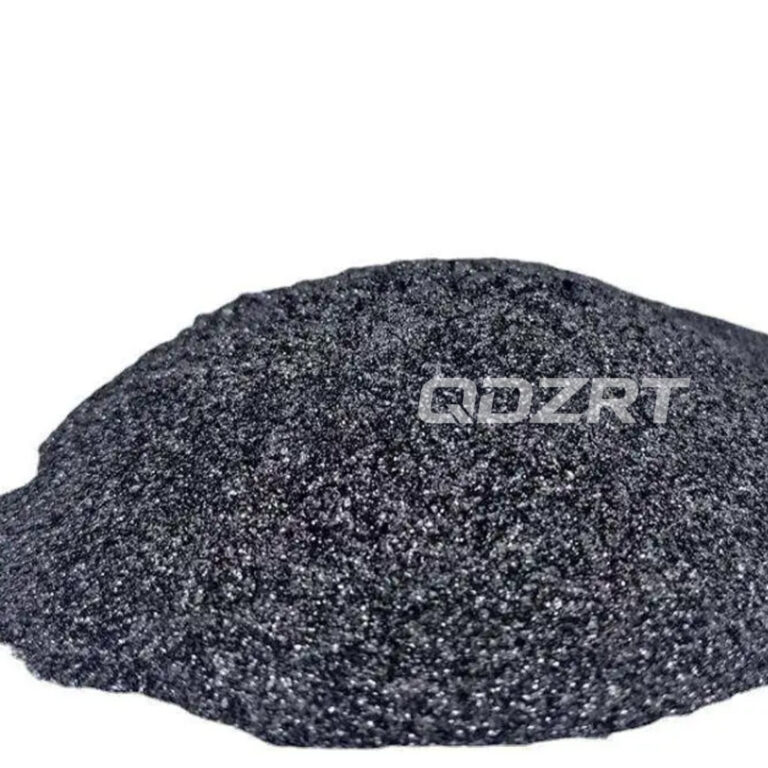
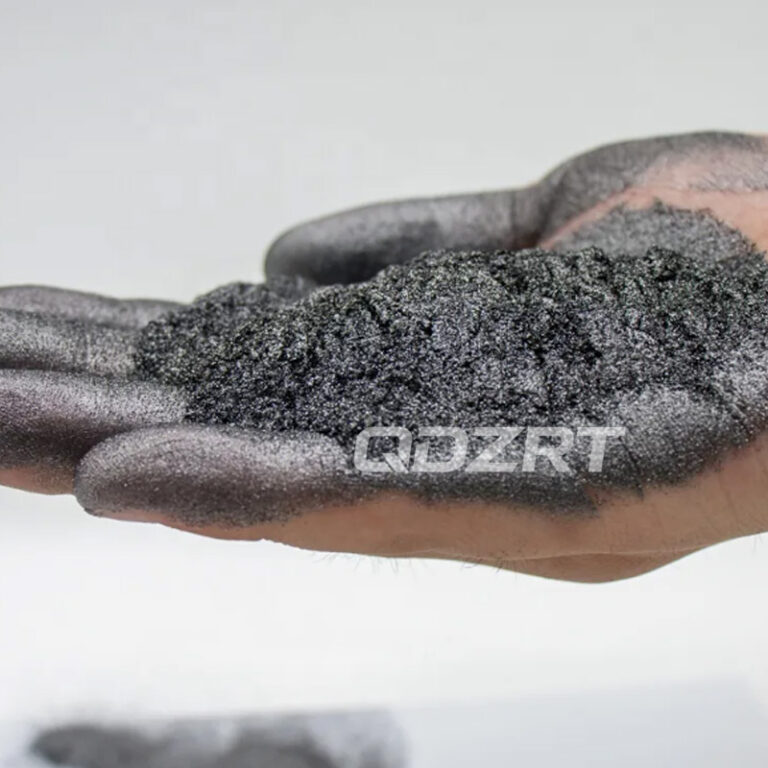
Battery Grade Graphite Anode Materials is the most direct route for this industry because it matches how battery manufacturers actually evaluate graphite in commercial projects. Natural Flake Graphite is relevant as an upstream raw material route for natural graphite anode processing and related downstream battery applications. Synthetic Graphite Powder is more suitable for projects that require higher structural consistency, lower ash, and better support for high-power or fast-charge battery systems. High Purity Graphite Powder becomes more relevant when impurity control, cleanliness, and lower contaminant levels are part of the material selection logic.
How the Industry Usually Evaluates Battery Graphite
Battery buyers rarely judge graphite by one number. Tap density affects how densely the anode can be packed. Particle size distribution affects slurry behavior, coating uniformity, and electrode structure. First-cycle efficiency matters because lithium loss in the first cycle directly affects usable capacity. Cycle stability and expansion behavior matter because the anode must survive repeated charging and discharging without excessive structural damage or unstable interfaces. As the application becomes more demanding, ash control, impurity profile, and material consistency become more important.
That is why battery graphite discussions differ from ordinary industrial filler discussions. The material is not selected only for conductivity or heat resistance. It is selected as an active battery material that has to work across the whole manufacturing route, from slurry preparation and coating to formation and long-term cycling. In this field, process compatibility is often just as important as headline specification values.
Main Application Areas
- Electric vehicle battery cells requiring energy density, cycle life, and charging consistency
- Energy storage systems focused on long-term stability, repeat cycling, and practical cost structure
- Consumer electronics requiring compact energy storage and stable electrode processing
- Power tools and higher-rate applications where stronger rate behavior may be preferred
- Anode material processors and cell makers evaluating natural, synthetic, or blended graphite routes
Matched QDZRT Graphite Product Routes
| Product | Typical Role in the Battery Chain | Main Relevance |
|---|---|---|
| Battery Grade Graphite Anode Materials | Direct anode material route for lithium-ion battery projects | Closer to how EV, ESS, and battery manufacturers evaluate graphite in practice |
| Natural Flake Graphite | Upstream raw material route for natural graphite battery processing | Relevant where cost efficiency and high-volume natural graphite pathways matter |
| Synthetic Graphite Powder | Synthetic route for higher-purity, more controlled battery graphite systems | Useful where batch consistency, lower ash, and stronger fast-charge potential are important |
| High Purity Graphite Powder | Cleaner carbon route for quality-sensitive battery-related formulations | More suitable where impurity control and material cleanliness carry more weight |