Graphite Materials for Rubber, Plastics, and Composite Applications
In rubber, plastics, and composite systems, graphite is rarely added for only one reason. Formulators use it when they need a material that can contribute conductivity, lubricity, wear reduction, thermal functionality, pigment effect, processing support, or flame-retardant performance depending on the matrix and target application. That is why graphite appears in such a wide range of compound systems, from anti-static plastic parts and conductive elastomers to self-lubricating composites, engineering compounds, and expandable-flame-retardant polymer formulations.
What matters in this field is not simply whether the product is graphite, but what kind of graphite route fits the compound. Flake structure, particle size, loading level, dispersion quality, polymer compatibility, and downstream processing all change the result. A graphite that works well in a low-friction engineering plastic may not be the best option for a conductive rubber compound, and a grade selected for intumescent or flame-retardant behavior follows a different logic from one selected for conductivity or lubrication.
Conductive and Anti-Static Compound Systems
One established route is the use of graphite in conductive plastics, conductive rubber compounds, and anti-static polymer systems. In these applications, graphite helps form conductive pathways, lower resistivity, and improve static dissipation. This is relevant to housings, trays, packaging components, belts, seals, rollers, molded parts, and other polymer or elastomer components used around electronics, powders, industrial handling, or environments where electrostatic buildup must be controlled.
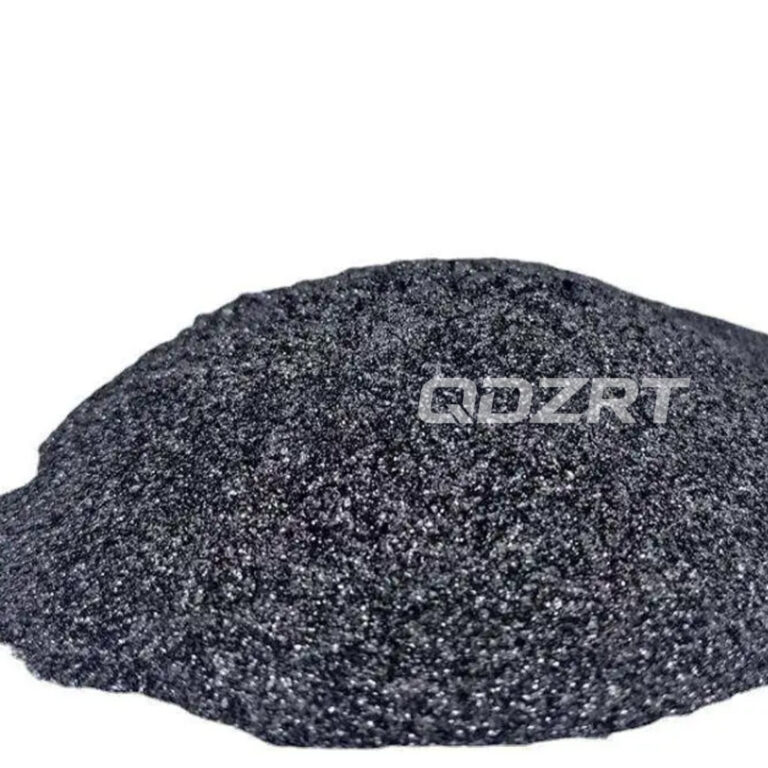
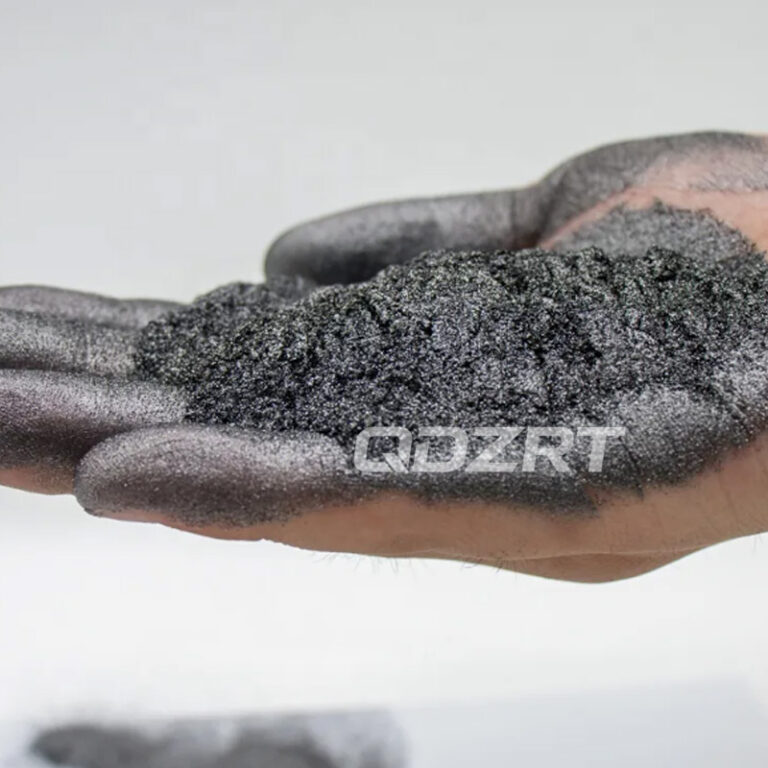
For mainstream compound systems, Natural Graphite Powder is a practical route because it can fit a broad range of coatings, plastics, and rubber formulations where cost-performance balance matters. If the application needs finer dispersion, smoother surface quality, or better control in thinner or more appearance-sensitive systems, Micronized Graphite Powder is often more suitable.
Lubricating and Wear-Reducing Polymer Formulations
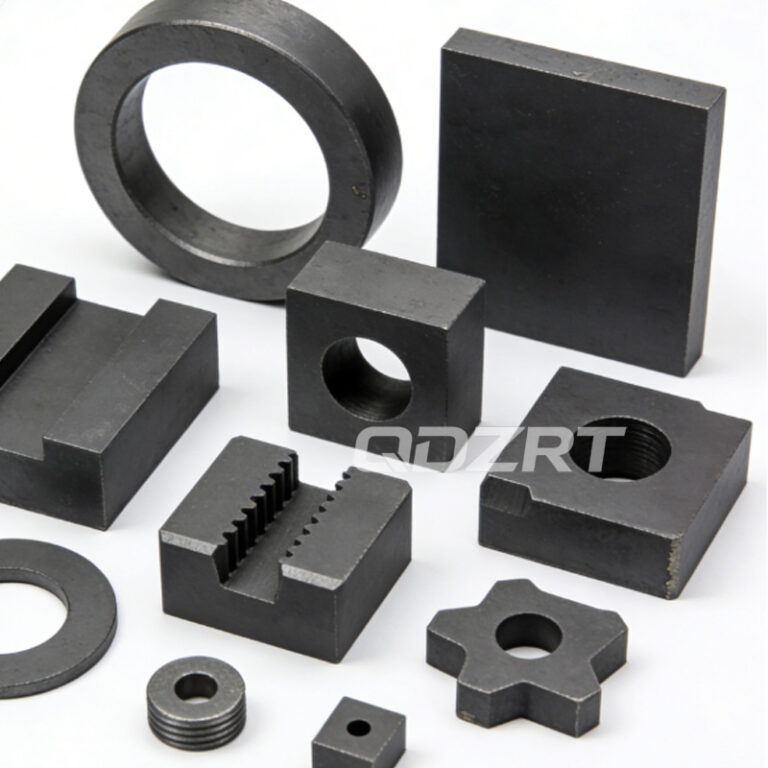
Graphite is also used in self-lubricating plastics, friction-modified composites, and wear-oriented rubber or polymer parts. Its layered structure allows sliding between planes, which is why it is associated with low-friction behavior and reduced wear in the right formulation. In practical terms, this can support bushings, seals, slides, molded wear parts, composite liners, and industrial polymer components that operate under contact, motion, or repeated surface loading.
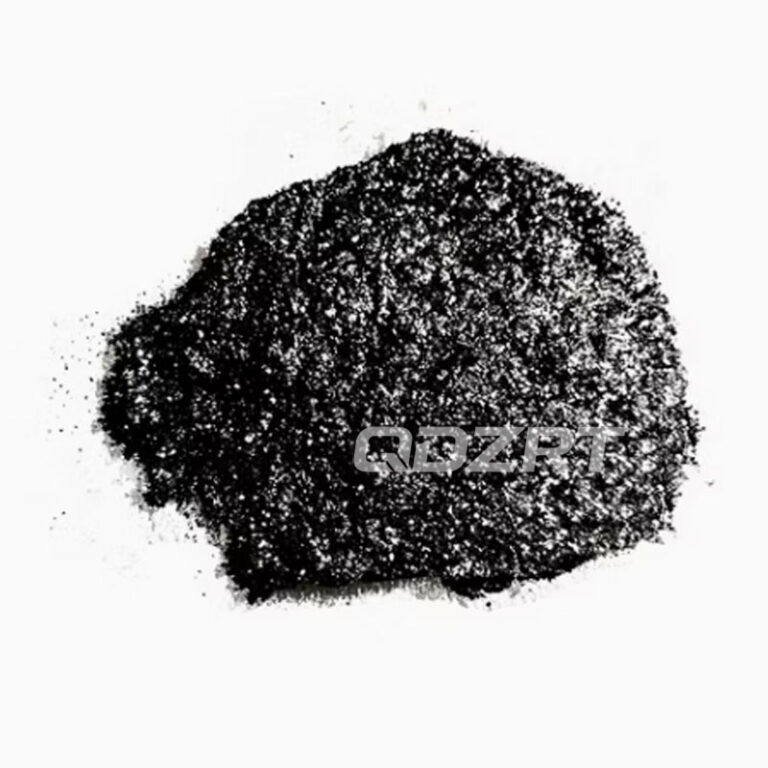
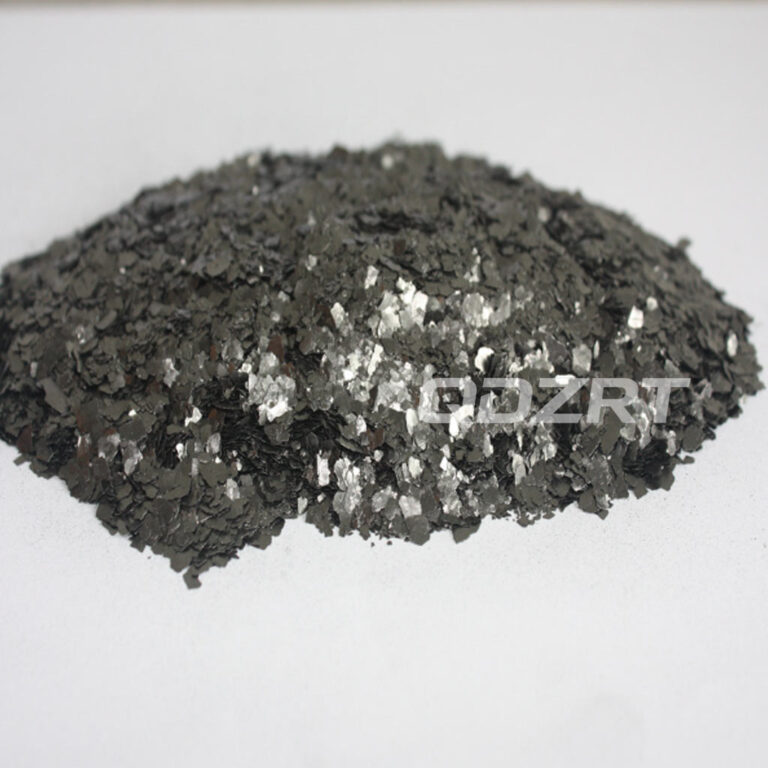
For this route, Natural Flake Graphite is often relevant where layered morphology and lubricity are part of the design logic. In many engineering compounds, the goal is not to make the part fully conductive, but to improve wear behavior, add dry lubrication, or support more stable running conditions without depending entirely on liquid lubricants.
Expandable Graphite in Polymer and Composite Fire Protection
Another important route is flame retardancy. In polymer foams, elastomers, thermoplastics, and composite materials, the requirement may not be conductivity at all, but fire performance. In that case, graphite enters through a different route: heat-triggered expansion and char formation. That is where Expandable Graphite becomes relevant. It is used in flame-retardant polymer systems, intumescent compound structures, and selected foam or elastomer formulations where expansion under heat helps form a protective barrier.
This route is especially important because it distinguishes expandable graphite from ordinary conductive or lubricating graphite grades. In sourcing terms, that means the buyer has to define whether the target is conductivity, lubrication, or flame-retardant behavior before the material route is chosen.
Composite Design and Multi-Function Performance
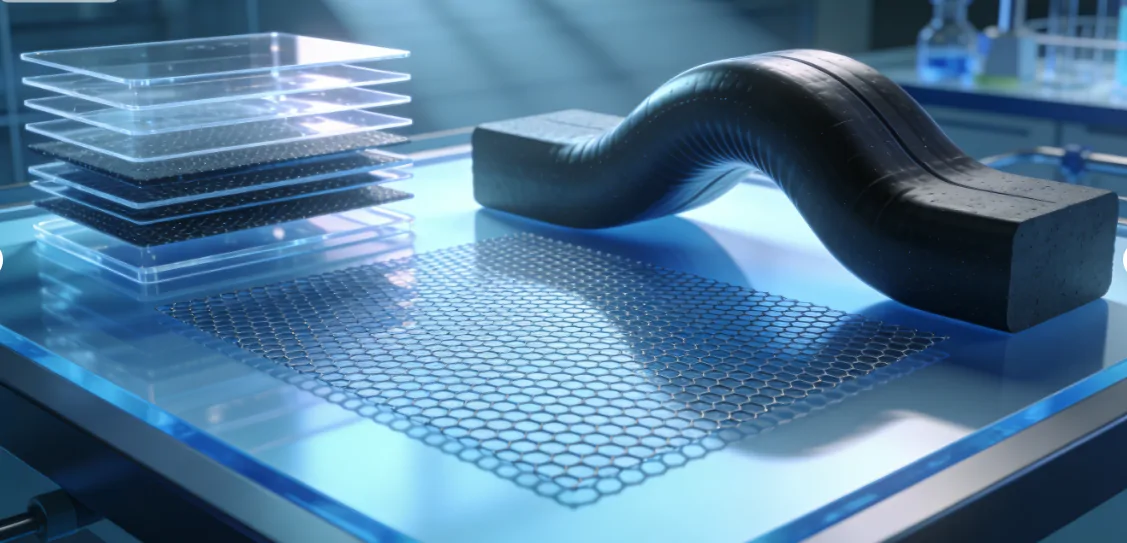
In composite materials, graphite is often selected because one additive can support several performance targets at once. A single formulation may need some combination of conductivity, thermal transfer, wear resistance, processing aid, color, and flame-retardant support. This is why graphite remains attractive in industrial compounds even when the final design is not marketed as a graphite product. In many engineered plastics and composite parts, the graphite is doing quiet but important work inside the matrix, affecting how the part processes, runs, dissipates charge, or responds to heat.
Main Application Areas
- Conductive plastics and anti-static rubber compounds
- Self-lubricating plastics and wear-resistant polymer components
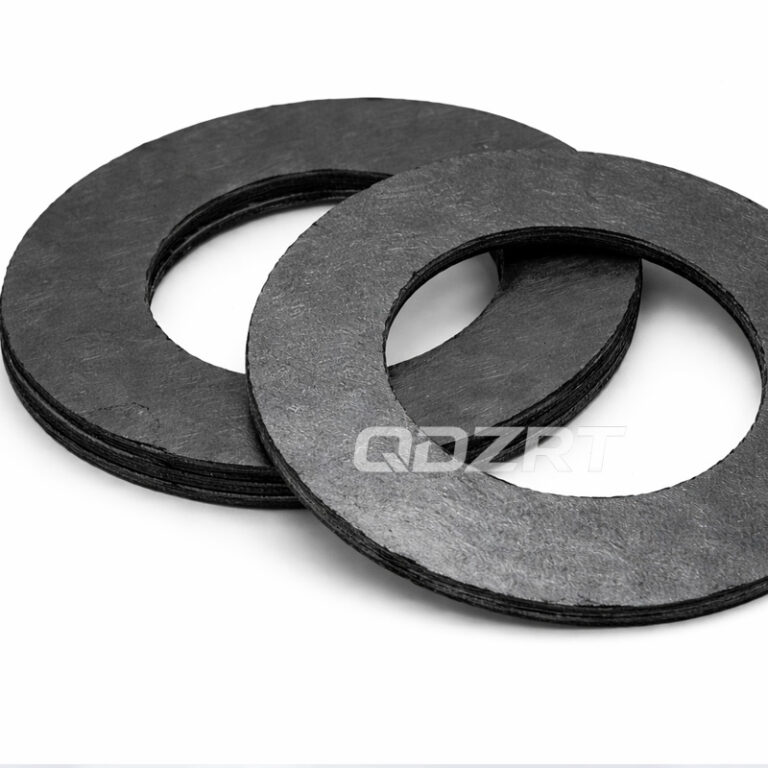
- Graphite-filled elastomers, seals, rollers, and molded industrial parts
- Engineering compounds requiring conductivity, lubricity, or thermal support
- Expandable graphite routes for flame-retardant polymers, foams, and composite structures
- Industrial composites where one additive must support multiple performance targets