Graphite Materials for Sealing, Gasket, and High-Temperature Sealing Systems
Graphite is one of the most established sealing materials in industry because it can combine temperature resistance, chemical stability, compressibility, recovery, and practical processing adaptability in one material route. In real sealing applications, buyers are not only looking for a sheet material. They are often looking for a sealing solution that can handle temperature, pressure, media exposure, flange movement, and long operating cycles without frequent replacement. That is why graphite appears so often in industrial gaskets, valve packing, spiral wound gasket fillers, ring gaskets, die-cut sealing parts, and high-temperature static sealing systems.
In this field, the value of graphite does not come from carbon content alone. What matters more is whether the material can seal under the actual working conditions. Sealing engineers usually focus on compressibility, recovery, density, oxidation limits, blowout resistance, media compatibility, thickness range, reinforcement structure, and whether the sheet or formed part can be converted into the required gasket geometry. Because graphite remains stable across many aggressive environments and elevated temperatures, it has become a standard route in refineries, chemical plants, power systems, pumps, valves, flanges, heat exchangers, and process equipment.
Flexible Graphite in Industrial Gasket Systems
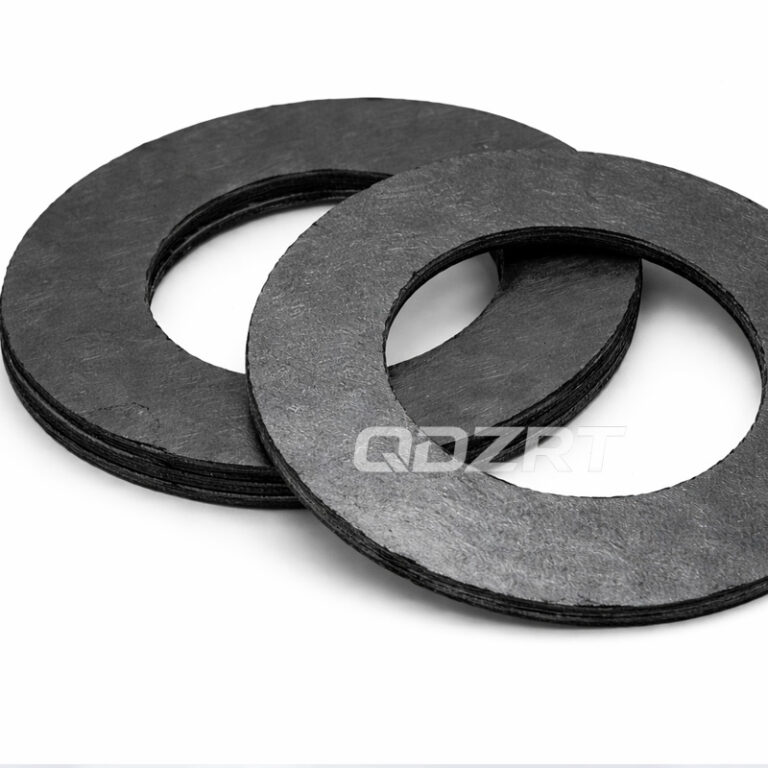
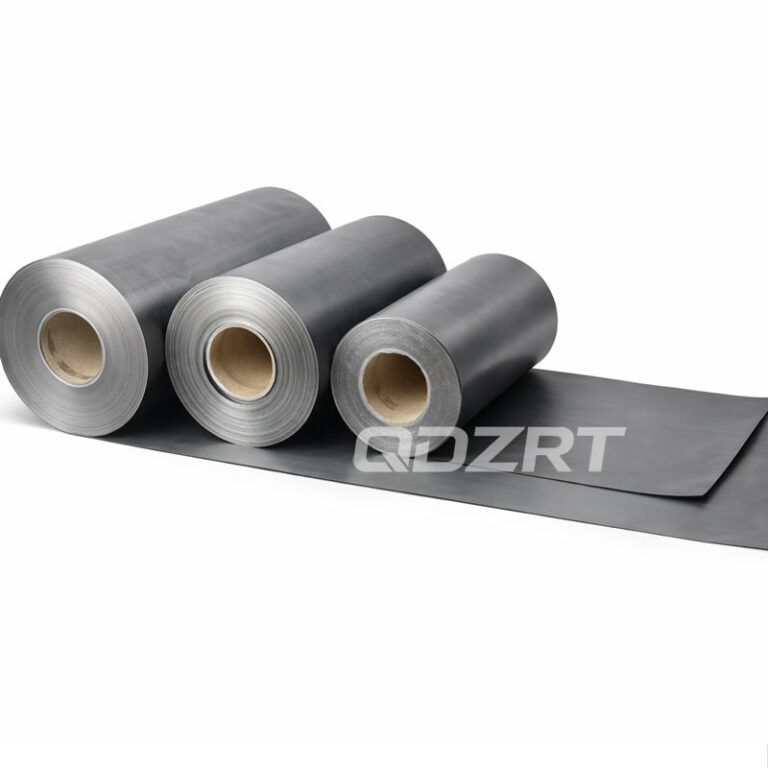
The most direct sealing route is Flexible Graphite Sheet. In industry, flexible graphite sheet is widely converted into die-cut gaskets, flange gaskets, valve seals, heat-resistant sealing layers, and filler materials for spiral wound gaskets and related sealing assemblies. Its practical advantage is that it can conform to flange irregularities while still maintaining useful sealing performance across a wide temperature range. This is especially important in static sealing systems where leakage control depends not only on gasket design, but also on how well the material can accommodate surface imperfections and long-term compression under thermal cycling.
In many process plants, flexible graphite is preferred when PTFE, rubber, or non-asbestos sheet materials become less suitable because of temperature, media, or creep-related limitations. It is also relevant where the user needs a material that can be cut, laminated, reinforced, or converted into custom gasket shapes without losing the core sealing advantages of graphite.
Graphite Sealing Materials as a Finished Product Route
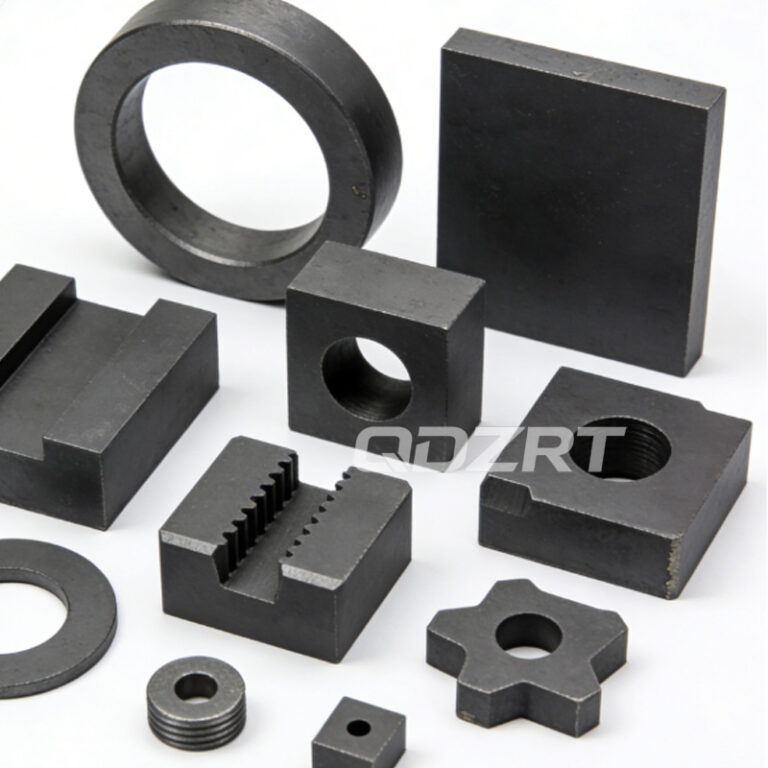
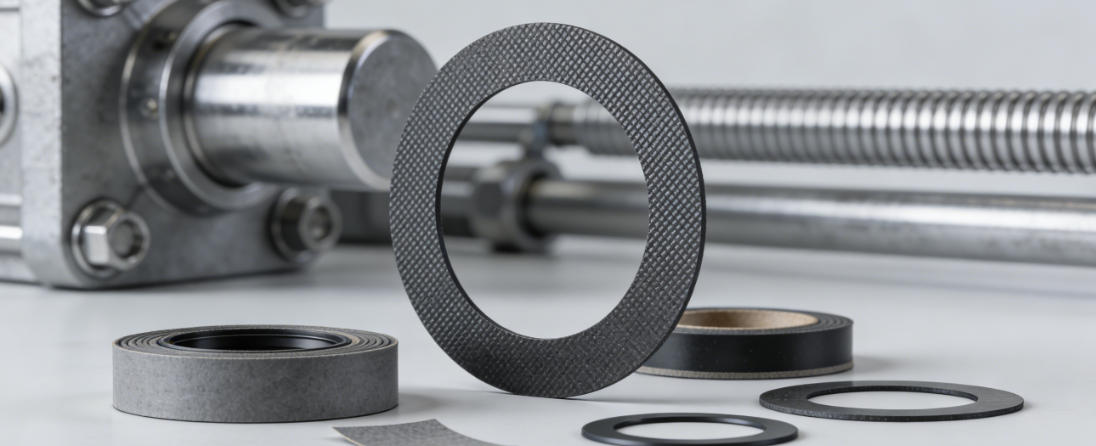
For buyers who are not sourcing only sheet stock, Graphite Sealing Materials is the more direct commercial route. In practical procurement, many customers are looking for finished or semi-finished sealing products rather than base material alone. That can include graphite gaskets, reinforced graphite gaskets, graphite rings, braided or formed graphite sealing items, and application-specific sealing parts for pumps, valves, reactors, and flanged equipment. In these projects, the discussion shifts from raw material to sealing configuration, operating medium, working temperature, pressure class, and installation geometry.
This distinction matters because sealing buyers often evaluate the solution by service condition and equipment type, not by powder or sheet description. A sealing page therefore needs to reflect how the industry actually buys: by gasket type, seal design, process conditions, and operating reliability.
Expandable Graphite in the Upstream Sealing Route
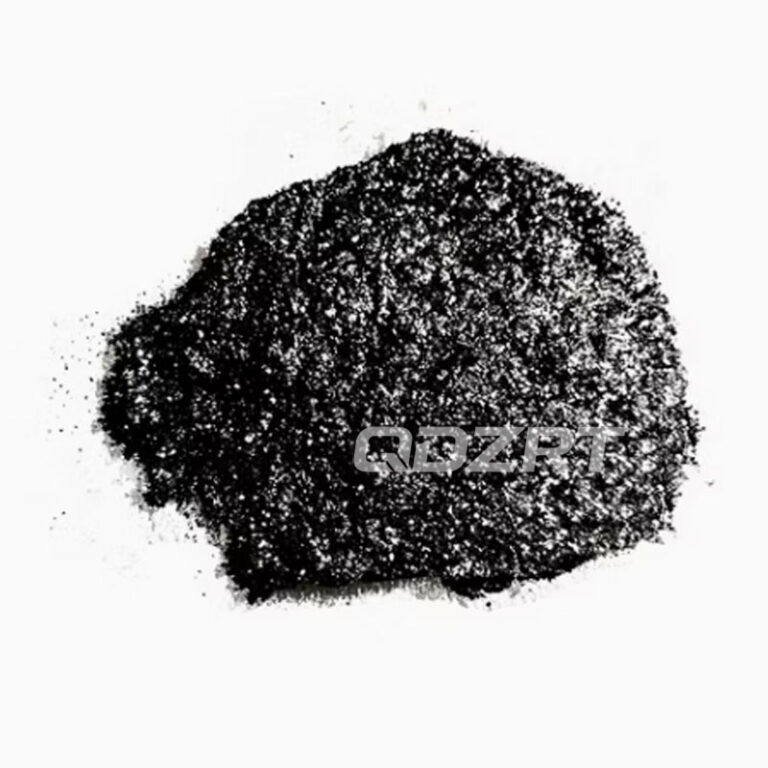
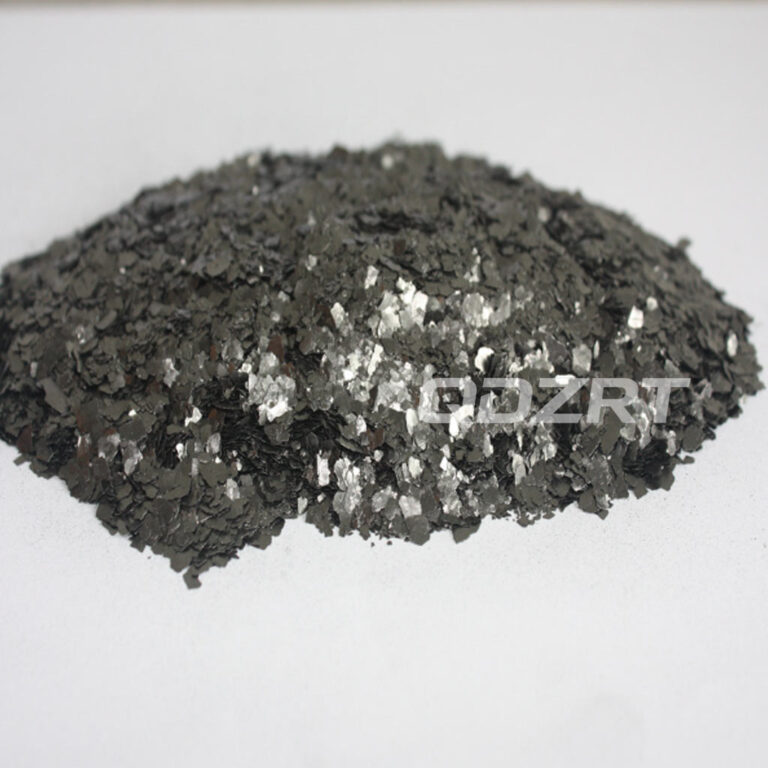
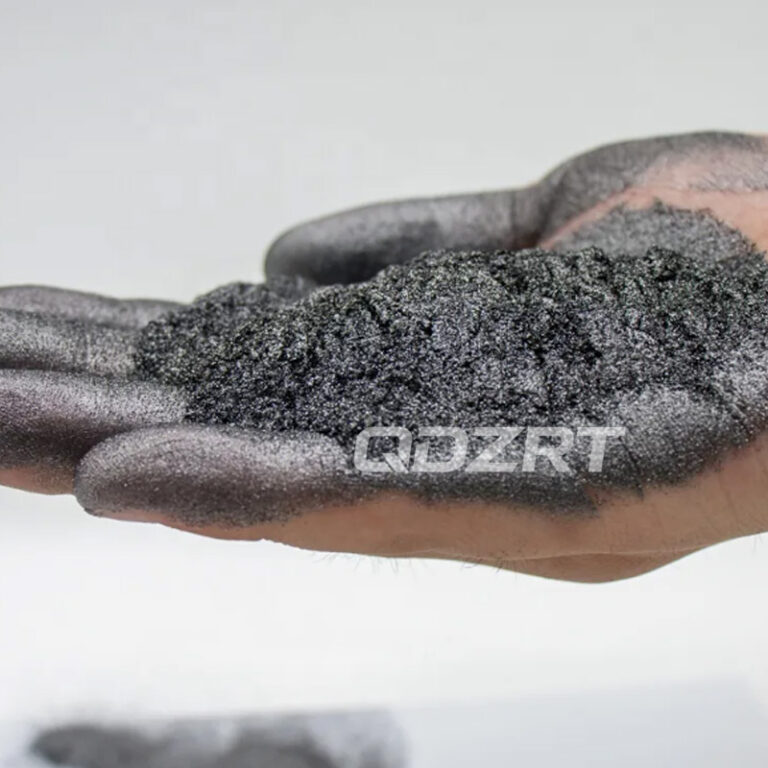
An upstream but still important route is Expandable Graphite. In the graphite sealing industry, expandable graphite is a key precursor for expanded graphite and flexible graphite products that later enter gasket and sealing applications. For customers who are involved in material conversion, sheet production, or upstream processing rather than end-use gasket installation, expandable graphite is part of the sealing-material supply chain. It is less about direct gasket use and more about the raw material route that leads to flexible graphite sheet and related sealing products.
Where Graphite Sealing Materials Fit Best
- Flange gaskets for piping systems, process vessels, and industrial equipment
- Spiral wound gasket fillers and heat-resistant static sealing structures
- Valve, pump, and equipment sealing parts exposed to elevated temperature or aggressive media
- Die-cut graphite gaskets and custom sealing geometries for industrial machinery
- Refinery, chemical, power, and thermal-processing systems requiring stable sealing performance
- Upstream flexible graphite and expanded graphite routes for sealing-material production