Thin & Flexible
Thin graphite paper can fit compact structures and support bending, rolling, slitting and customized shape processing.

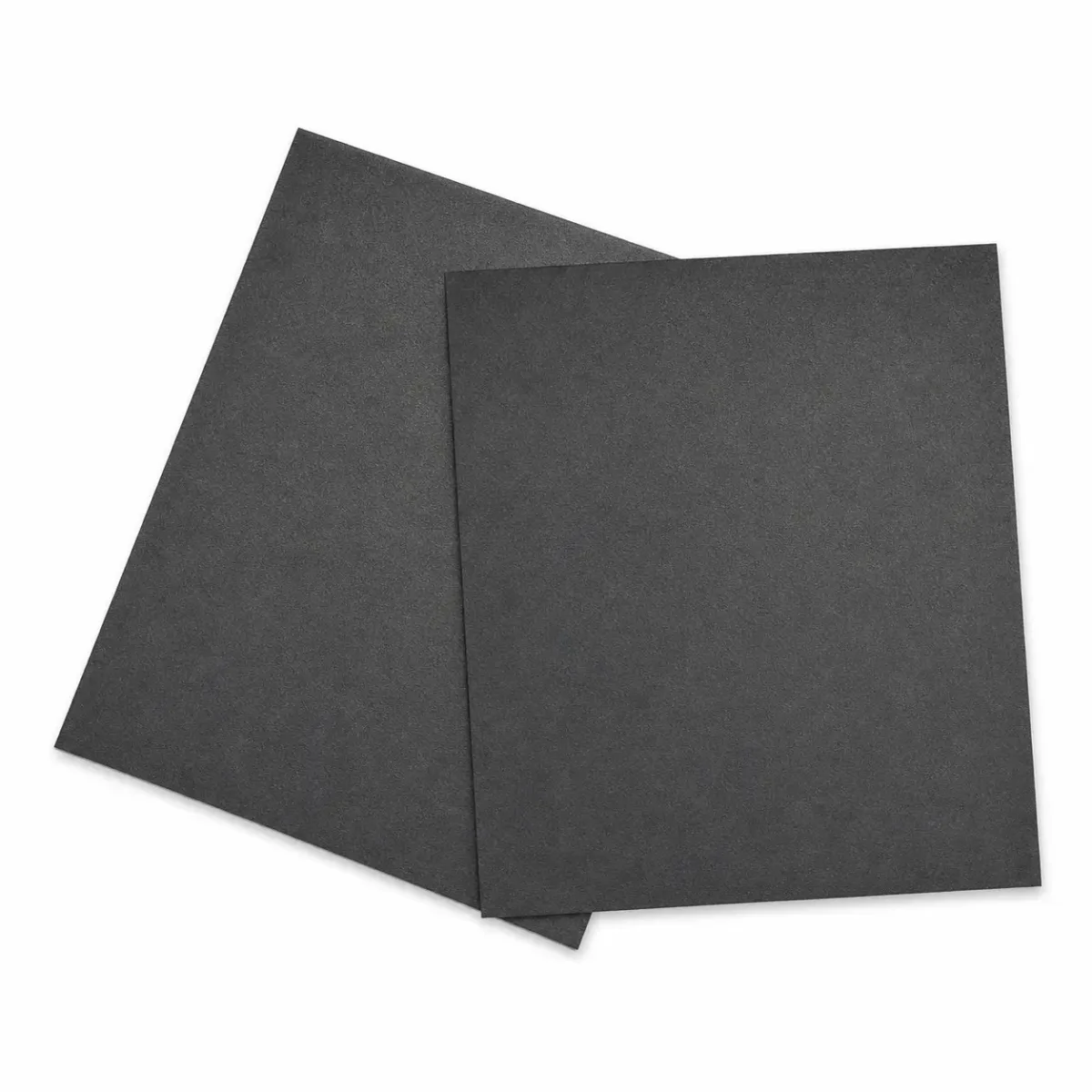
Thin flexible graphite paper and graphite roll material for heat spreading, lamination, die-cutting, adhesive backing, sealing sheets and thermal management processing.
Thin graphite paper can fit compact structures and support bending, rolling, slitting and customized shape processing.
Available in sheet, roll or slit roll form to support continuous lamination, die-cutting and converting processes.
Suitable for further lamination with adhesive films, PET, PI, release liners or insulation layers according to application needs.
Can be cut, laminated or supplied in customized formats for thermal layers, sealing sheets and converted graphite components.
Graphite paper is a thin and flexible graphite-based sheet material used in heat spreading, sealing sheets, lamination, die-cutting, adhesive backing and custom converted graphite components. Compared with rigid graphite plates or thick graphite blocks, graphite paper is easier to roll, slit, laminate and cut into different shapes for industrial and electronic applications.
In many markets, graphite paper may also be described as flexible graphite paper, graphite foil, thin graphite sheet, graphite paper roll or thermal graphite paper, depending on thickness, supply form and final application. It is commonly supplied in sheet or roll form and can be further processed by downstream manufacturers into heat-spreading sheets, sealing materials, insulation layers, gasket sheets or adhesive-backed graphite components.
This product range focuses on thin graphite paper and graphite roll materials for downstream converters and processors. It is especially suitable for converters, die-cutting factories, thermal material processors, adhesive lamination plants, sealing material manufacturers and OEM customers who need graphite material for further fabrication.
We supply thin flexible graphite paper in sheets, rolls and slit rolls for thermal-management, lamination, die-cutting, sealing and industrial converting. Thickness, density, carbon content, width, backing or laminate structure and custom converting requirements are confirmed according to the customer’s application and RFQ.
| Item | Typical Option | Notes |
|---|---|---|
| Material | Expanded natural graphite | Graphite grade can be selected according to application requirements |
| Thickness Range | 0.1 mm – 2.0 mm | Custom thickness can be discussed based on processing needs |
| Density Range | 1.0 – 1.7 g/cm³ | Actual density depends on thickness, compression and grade |
| Supply Form | Sheets, rolls, slit rolls, laminated options | Roll width and sheet size can be discussed |
| Surface | Smooth graphite surface | Suitable for lamination, cutting and further conversion |
| Processing | Slitting, lamination, die-cutting, adhesive backing | Processing method depends on customer equipment and final design |
| Applications | Heat spreading, sealing sheets, thermal layers, converted graphite parts | Suitable grade should be confirmed according to actual working conditions |
In electronic thermal management, graphite paper can be used as a thin heat-spreading layer. When heat is concentrated around a processor, battery cell, display module, charging component, power device or communication module, graphite paper may help spread heat along the plane of the material and reduce localized hot spots.
The actual thermal performance depends on graphite grade, thickness, density, structure, lamination method and final assembly design. For this reason, graphite paper should be selected according to the working environment and product structure rather than by one single parameter. In many cases, it is used together with adhesive layers, insulation films, protective liners or other materials to form a complete thermal management component.
Typical electronic thermal management uses include heat-spreading sheets, graphite thermal layers, battery thermal interface structures, adhesive-backed graphite components, die-cut thermal parts and thin graphite inserts for compact electronic assemblies.
For die-cutting factories and material converters, graphite paper quality is not only about thermal performance. Roll consistency, thickness tolerance, surface condition, edge quality and material flexibility directly affect processing stability. If the thickness is unstable, die-cutting pressure may become difficult to control. If the surface is not clean or flat enough, lamination bubbles or weak bonding may occur. If the edge quality is poor, tearing, dust or material waste may increase during processing.
Graphite paper can be supplied in roll form for continuous production and can be further processed into customized shapes according to drawing, sample or application requirement. Customers may combine graphite paper with PET film, PI film, double-sided adhesive, release paper, foam, insulation film, aluminum foil or other functional layers to produce customized thermal or sealing components.
| Application Area | Typical Use | Material Requirement |
|---|---|---|
| Electronic thermal management | Heat-spreading layers for processors, batteries, displays and modules | Thin thickness, flexibility, stable surface and suitable thermal behavior |
| Die-cut graphite components | Customized graphite shapes for electronic or industrial assemblies | Good cutting behavior, stable thickness and clean edges |
| Adhesive-backed graphite parts | Graphite paper laminated with adhesive tape or release liner | Clean surface and good lamination compatibility |
| Sealing sheets and gasket materials | Thin graphite sheets for sealing, cushioning or interface layers | Compressibility, chemical stability and suitable thickness |
| Battery thermal layers | Graphite layers used in battery pack thermal design | Batch consistency, stable thickness and application-specific selection |
| Industrial insulation and heat shielding | Thin graphite layers for thermal barrier or protective structures | Temperature resistance, flexibility and proper material structure |
Graphite Paper and Flexible Graphite Sheet are closely related materials, but they are commonly supplied in different forms for different downstream applications. Graphite Paper usually refers to thinner graphite sheet or roll material used for lamination, die-cutting, heat spreading and converted components. Flexible Graphite Sheet is a broader industrial product name and is often used for sealing sheets, gasket manufacturing, insulation, heat shielding and reinforced or laminated graphite sheet structures.
| Product | Primary Applications | Typical Applications |
|---|---|---|
| Graphite Paper | Thin graphite paper, graphite foil and roll material for processing | Heat spreading, lamination, die-cutting, adhesive backing, thermal layers and converted parts |
| Flexible Graphite Sheet | Industrial flexible graphite sheet for broader sealing and thermal applications | Gasket sheets, sealing materials, insulation, heat shielding, reinforced sheets and roll supply |
For customers who need thin graphite paper for thermal management processing, lamination and die-cutting, Graphite Paper is the more targeted product option. For customers who need thicker sheet materials, gasket production, sealing sheets or reinforced graphite sheet options, Flexible Graphite Sheet may be more suitable.
Graphite paper can be supplied according to different processing needs. Available options may include standard sheets, rolls, slit rolls, cut pieces, laminated structures and adhesive-backed forms. The suitable supply method depends on the customer’s production equipment, product design, cutting method, lamination structure and packaging requirement.
Contact us to request graphite paper specifications, available thickness range, sheet or roll options, technical specification details, packaging information and wholesale supply support.
For a usable quotation, specify the material and converting requirements rather than relying on a generic grade name. Final values are confirmed in the quotation, drawing, TDS, CoA, or agreed inspection document.
| INPUT | WHAT TO SPECIFY | WHY IT MATTERS |
|---|---|---|
| Thickness & Width | Nominal thickness, roll/sheet width, slit width, and tolerance | Controls converting route, yield, and dimensional inspection |
| Density & Purity | Required density and carbon/purity level, with test basis if mandatory | Affects handling, conformity, thermal behavior, and documentation |
| Surface / Backing | Bare graphite, adhesive backing, release liner, PET/PI film, or metal-foil laminate | Changes downstream lamination, die cutting, insulation, and assembly |
| Converting | Roll, sheet, slit strip, die-cut part, holes, slots, or custom profile | Defines tooling, nesting, edge-quality, and packaging requirements |
| Inspection | Dimensions, appearance, purity, ash, chloride/sulfur, or project-specific test items | Prevents a generic datasheet from being mistaken for the purchase specification |
| APPLICATION GOAL | KEY CONSIDERATIONS | TYPICAL VALIDATION | DATA STATUS |
|---|---|---|---|
| Die-Cut Graphite Paper Parts | Thickness, density, profile, tolerance, edge quality, and particle control | First-article dimensional and visual inspection | Process Confirmation |
| Thermal Interface Pad | Through-plane thermal resistance, flatness, and assembly pressure | Interface thermal-resistance and assembly validation | Test Required |
| In-Plane Heat Spreading | Material type, anisotropy, area, and laminate structure | Temperature-field and hot-spot comparison | Test Required |
| Laminated / Backed Constructions | Adhesive, PET/PI film, metal foil, release liner, and bonding sequence | Peel / handling checks plus project drawing review | Project Specific |
For customers that perform their own slitting, lamination, die cutting, or thermal-interface fabrication. Confirm width, thickness, density, surface condition, and packaging.
For narrow-width converting and continuous production. Specify slit width, tolerance, winding direction, roll length, and edge-quality requirements.
For rings, frames, holes, slots, and custom profiles. A drawing or dimensioned sketch is preferred for first-article and tolerance confirmation.
For assembly convenience where a backing adhesive is appropriate. Confirm adhesive type, liner, operating environment, and whether the adhesive is part of the thermal or sealing stack.
PET, PI, or metal-foil combinations can be discussed for handling, insulation, or structural needs. The laminate stack must be defined separately from the graphite-paper core.
For interface or heat-spreading use, distinguish expanded natural graphite paper from synthetic graphite film and validate the actual assembly rather than relying on a single conductivity value.
Use this normalized comparison to shortlist structures before sample or assembly testing.
 PRODUCT
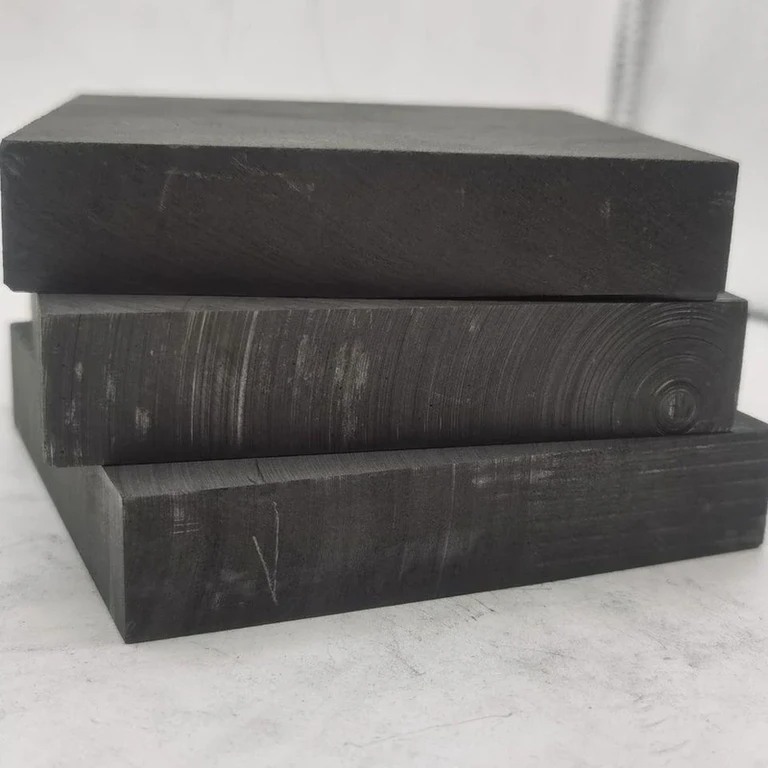
DJY Series isostatic graphite for EDM, precision machining, furnace fixtures, semiconductor-related components, and other applications requiring a uniform graphite structure.
 PRODUCT
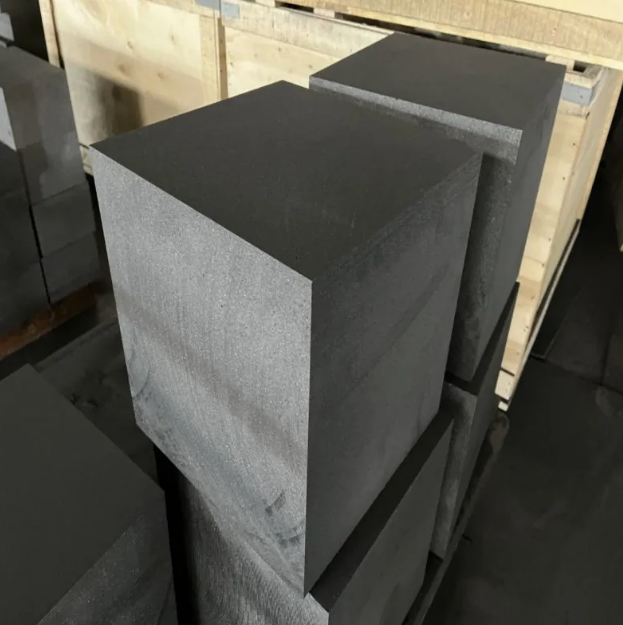
MY Series molded graphite for general industrial blocks, molds, furnace supports, metallurgy, electrodes, and drawing-based machined graphite components.
 PRODUCT
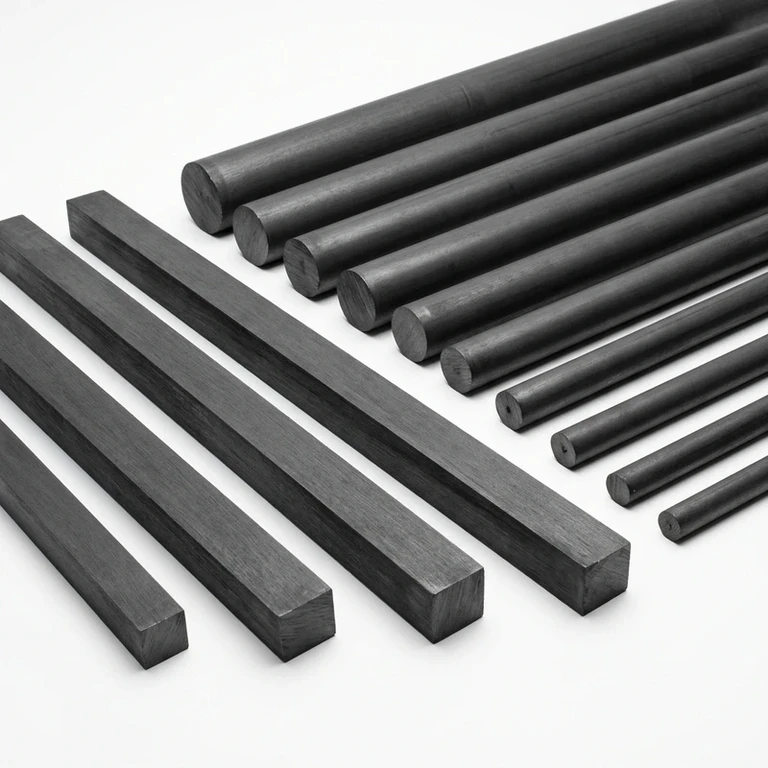
JY Series extruded graphite for rods, heating components, furnace structural parts, larger sections, and general industrial machining where material orientation is considered in selection.
 PRODUCT
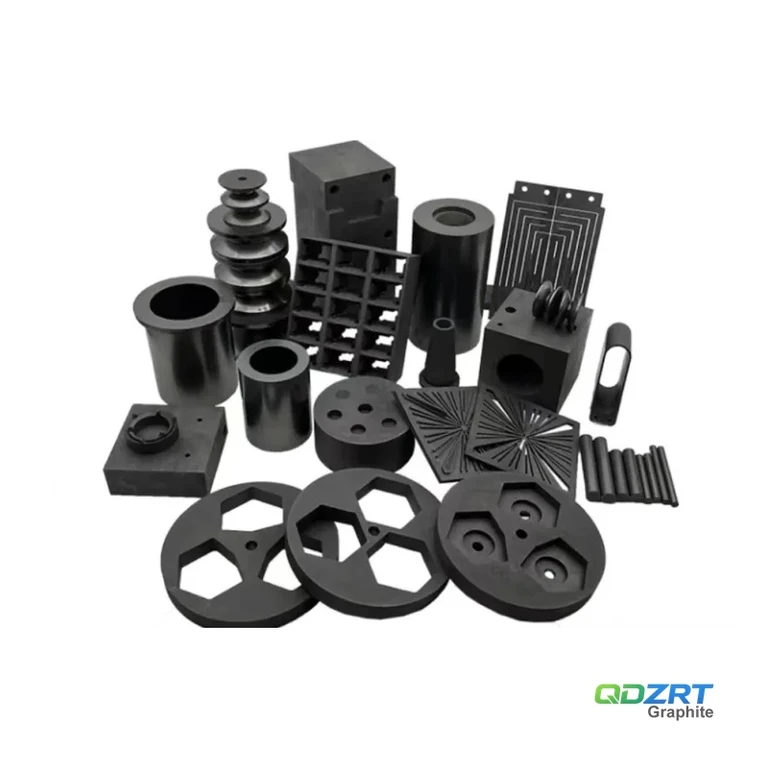
Custom Graphite Machined Parts are drawing-based graphite components manufactured from isostatic, molded, extruded, fine grain, or high purity graphite for EDM, thermal processing, metallurgy, sealing, and industrial equipment.
 PRODUCT
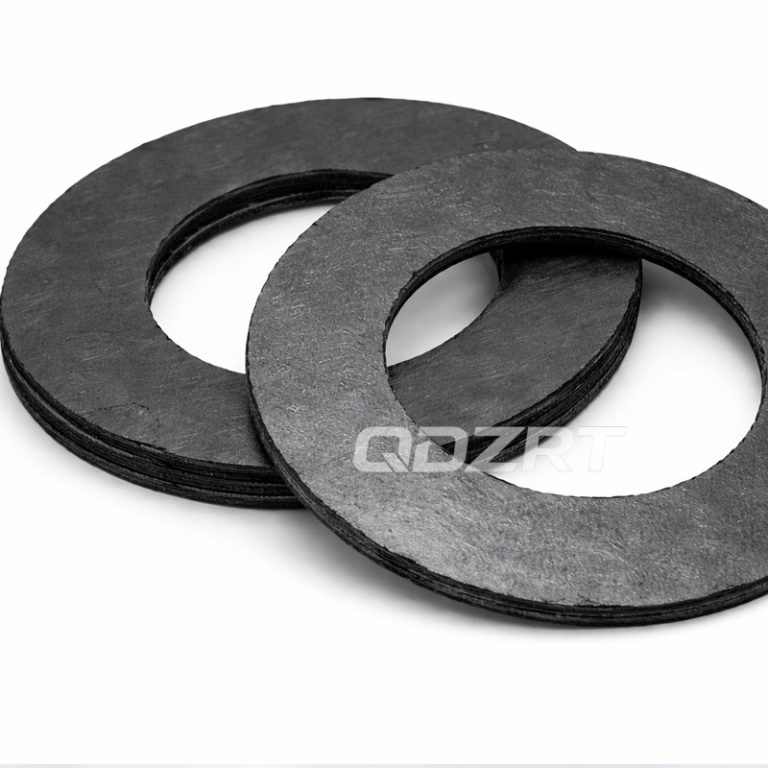
Graphite Sealing Materials cover flexible graphite sheets, reinforced graphite sheets, graphite gaskets, packing rings, braided packing, and graphite-filled gasket solutions for valves, pumps, flanges, steam lines, and industrial equipment.
 PRODUCT
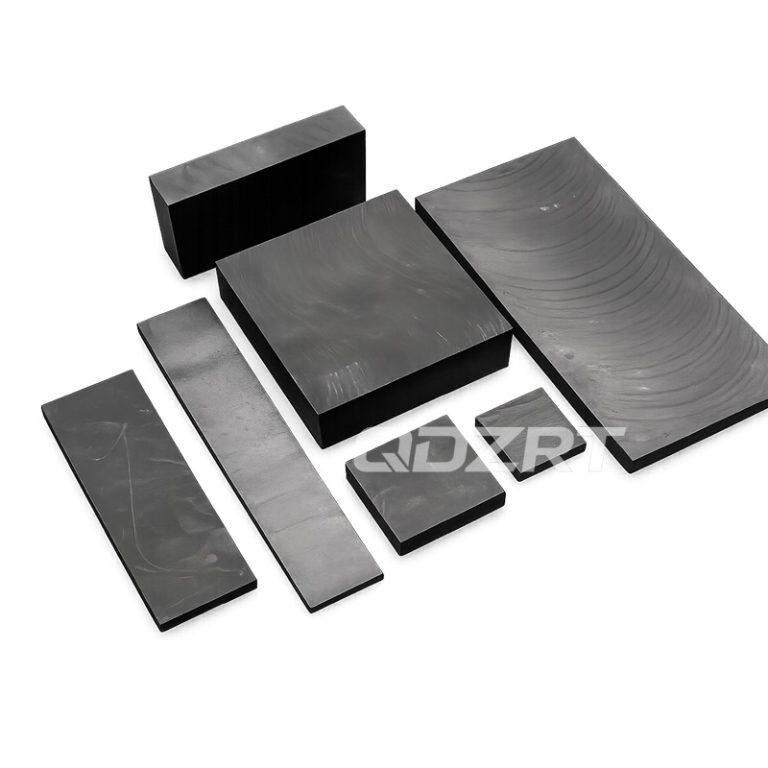
Graphite Block is the QDZRT Graphite overview for three forming-route series: DJY isostatic, MY molded, and JY extruded graphite. Fine-grain, high-purity, EDM, and other requirements are confirmed at grade level for the application.
 PRODUCT
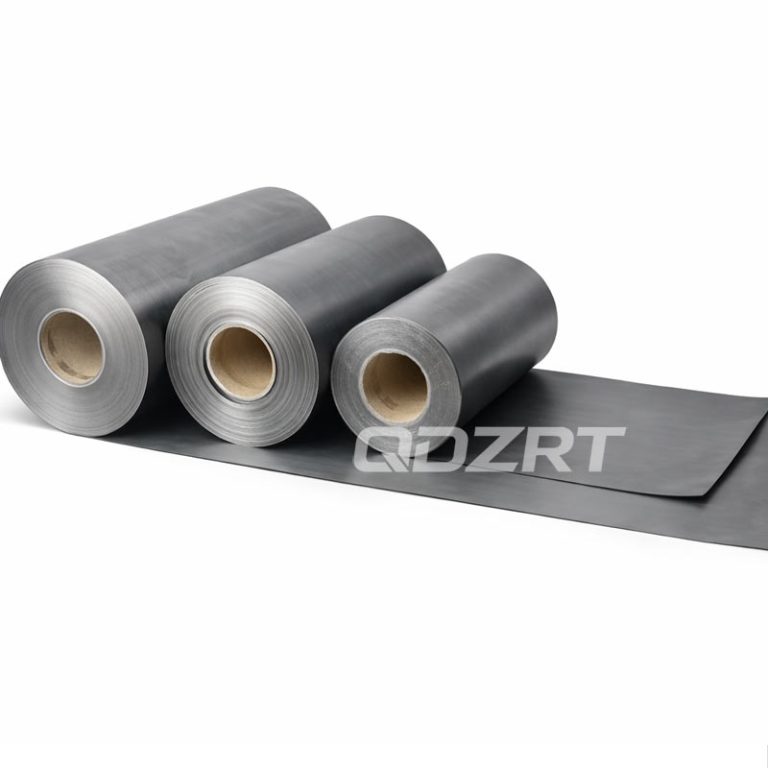
Flexible graphite sheet made from high-purity natural graphite for industrial sealing, gasket manufacturing, insulation and thermal management applications.
PRODUCT
JY Series extruded graphite for rods, heating components, furnace structural parts, larger sections, and general industrial machining where material orientation is considered in selection.