Drawing-Based Machining
Manufactured according to customer drawings, samples, sketches, or dimensional requirements for custom graphite component projects.

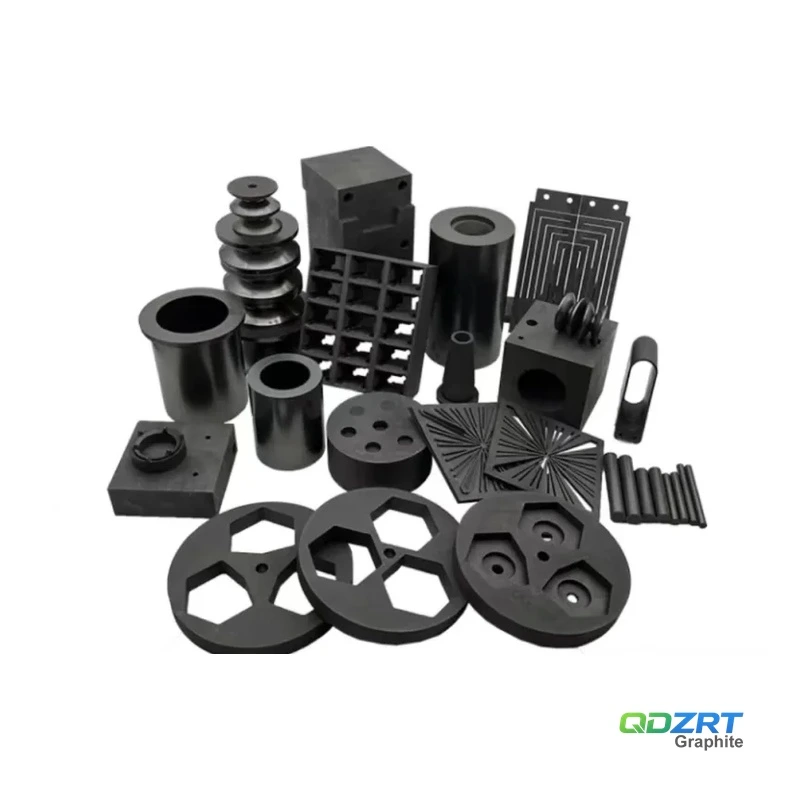
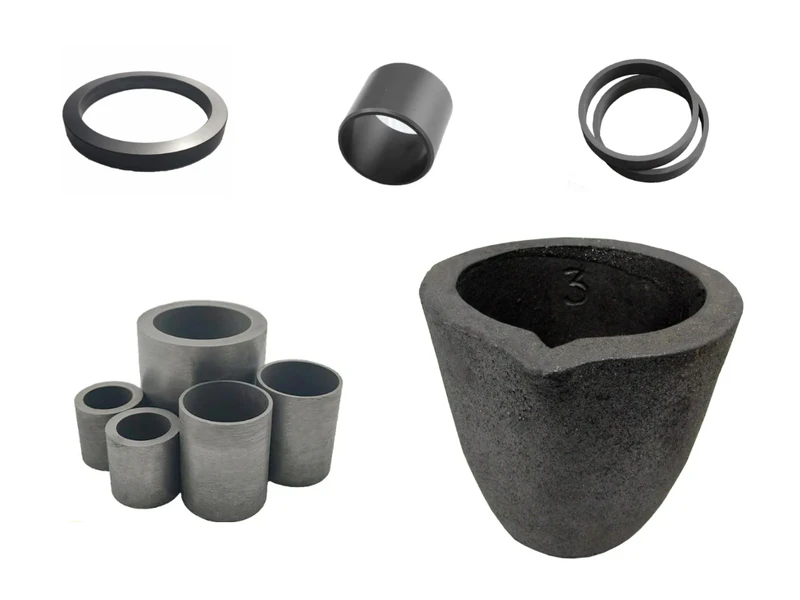
Custom Graphite Machined Parts are drawing-based graphite components manufactured from isostatic, molded, extruded, fine grain, or high purity graphite for EDM, thermal processing, metallurgy, sealing, and industrial equipment.
Manufactured according to customer drawings, samples, sketches, or dimensional requirements for custom graphite component projects.
Material options can be selected according to temperature, atmosphere, load, purity, wear condition, and service environment.
Supports sawing, milling, turning, drilling, slotting, chamfering, and machining of special-shaped graphite parts.
Available for prototypes, trial lots, replacement parts, semi-finished blanks, and regular production supply.
Custom Graphite Machined Parts are precision components manufactured strictly according to customer technical drawings, CAD models, or application-specific engineering requirements. Directly produced at our QDZRT Graphite manufacturing facilities in Qingdao, China, these parts serve global industrial equipment builders, vacuum furnace operators, EDM moldmakers, semiconductor equipment manufacturers, and high-temperature process plants. By combining custom graphite billet sizing with multi-axis CNC machining, we eliminate intermediate brokerage markups and deliver micron-level dimensional repeatability.
Unlike off-the-shelf graphite stock, custom graphite components are engineered for demanding operating environments involving extreme thermal cycling, high vacuum, corrosive atmospheres, high-temperature friction, and contamination-sensitive process chambers. Our direct factory supply model ensures every component is backed by comprehensive pre-production Design for Manufacturability (DFM) reviews, dedicated graphite CNC machining centers, and thorough in-house dimensional verification.
Machining synthetic and natural graphite requires dedicated CNC equipment equipped with specialized tooling and environmental controls to prevent particulate dispersion and structural breakout. QDZRT Graphite operates an advanced CNC manufacturing workshop designed specifically for carbon and graphite machining.
| Machining Capability | Equipment & Technical Envelope | Target Component Geometry |
|---|---|---|
| Multi-Axis CNC Milling | 3-axis, 4-axis, and 5-axis high-speed CNC machining centers; spindle speeds up to 24,000 RPM with localized negative-pressure vacuum dust collection | Complex 3D contoured profiles, EDM cavity electrodes, semiconductor wafer carriers, multi-faceted hot-zone fixtures |
| Heavy Gantry Milling | Large-scale CNC gantry milling bed up to 1500 × 1000 × 500 mm working envelope | Large vacuum furnace hearth plates, sintering boats, monolithic heat shields, and continuous casting die holders |
| Precision CNC Turning | High-rigidity CNC turning centers with live tooling; maximum turning diameter up to Ø600 mm | Cylindrical bushings, stepped dynamic sealing rings, graphite crucibles, threaded connector nipples, and roller sleeves |
| Surface & Form Grinding | Precision horizontal and rotary surface grinders equipped with diamond grinding wheels | High-flatness guide plates, ground sealing faces, and gauge-thickness thermal barrier slabs |
| Diamond Tooling Technology | Solid carbide with CVD diamond coatings and PCD (Polycrystalline Diamond) inserted end mills, drills, and thread mills | Eliminates grain pull-out, micro-cracking, and edge chipping on thin walls, deep slots, and sharp knife-edges |
Graphite exhibits brittle material characteristics, making dimensional stability dependent on grain structure, feed rates, tool geometry, and clamping rigidity. QDZRT Graphite enforces standardized metrology protocols to verify dimensional compliance and tolerance repeatability according to customer drawing callouts.
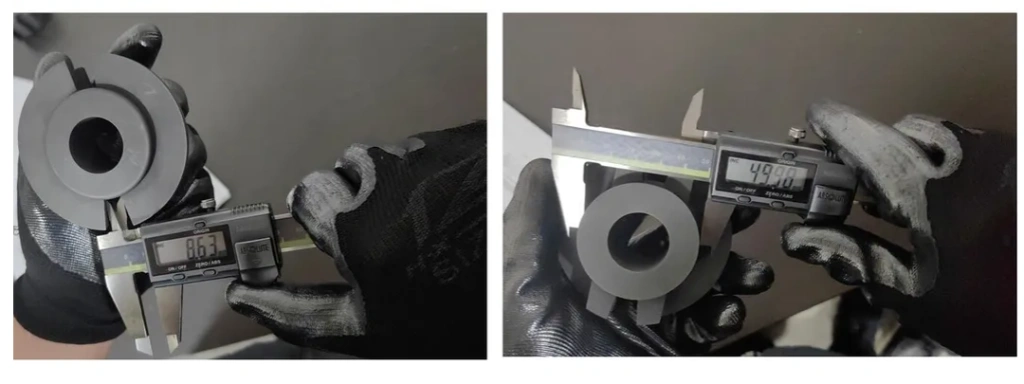
A successful custom graphite machining project begins with early engineering alignment. Before cutting raw graphite stock, QDZRT Graphite engineers perform a comprehensive Design for Manufacturability (DFM) review to identify potential stress concentrations, fragile features, or cost-driving tolerances.
| Engineering Check | DFM Guidelines & Recommendations | Risk Prevented |
|---|---|---|
| Minimum Wall Thickness | Recommended ≥ 0.8 mm – 1.0 mm depending on graphite grain grade (fine-grain isostatic allows thinner walls than extruded grades) | Prevents handling chip-out, machining breakage, and thermal stress fracturing |
| Internal Corner Radii | Incorporate internal relief radii (R ≥ 0.5 mm – 1.0 mm) rather than zero-radius sharp inside corners | Accommodates standard CNC tool radii, avoids stress risers, and eliminates tool chatter |
| Screw Thread Design & Engagement | Utilize coarse-pitch threads with rounded root profiles; ensure thread engagement depth of at least 1.5 – 2.0× nominal diameter | Prevents thread stripping under mechanical clamp load or thermal differential expansion |
| Graphite Grain Orientation | Align graphite extrusion or molding grain axis with primary thermal flux or mechanical load direction | Optimizes thermal conduction and mechanical durability based on material anisotropy |
| Accepted CAD Formats | 3D: STEP (.stp, .step), IGES (.igs), Parasolid (.x_t); 2D: DWG, DXF, Vector PDF with explicit tolerance callouts | Ensures seamless CAM programming and exact geometric compliance without data loss |
Send your 2D/3D drawing files (STEP, DWG, PDF) along with operating conditions to receive an engineering feasibility review, tolerance verification, and factory-direct quotation within 24 hours under complete bilateral NDA protection.
Explore 21 authentic customer machined components directly manufactured at our QDZRT Graphite CNC facility in Qingdao. Filter by component geometry or operating function to examine surface finishes, tight-tolerance features, and multi-axis milling repeatability:
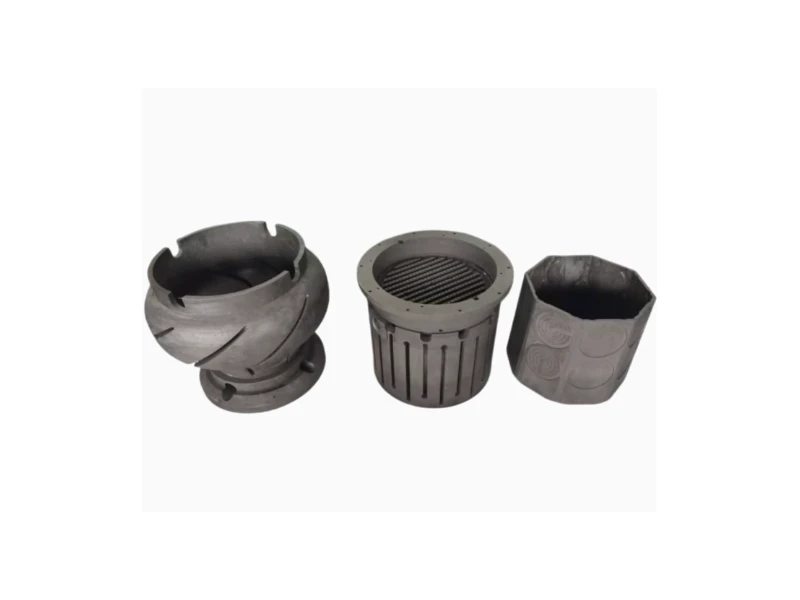
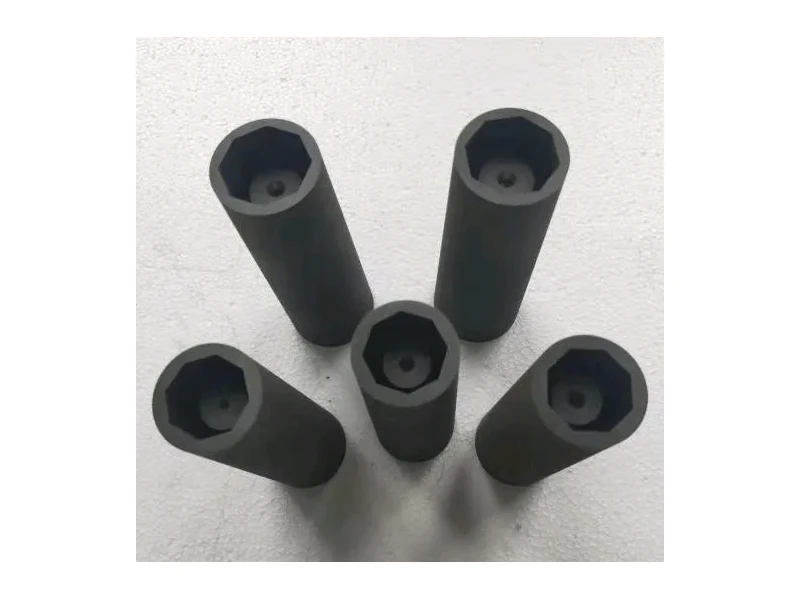
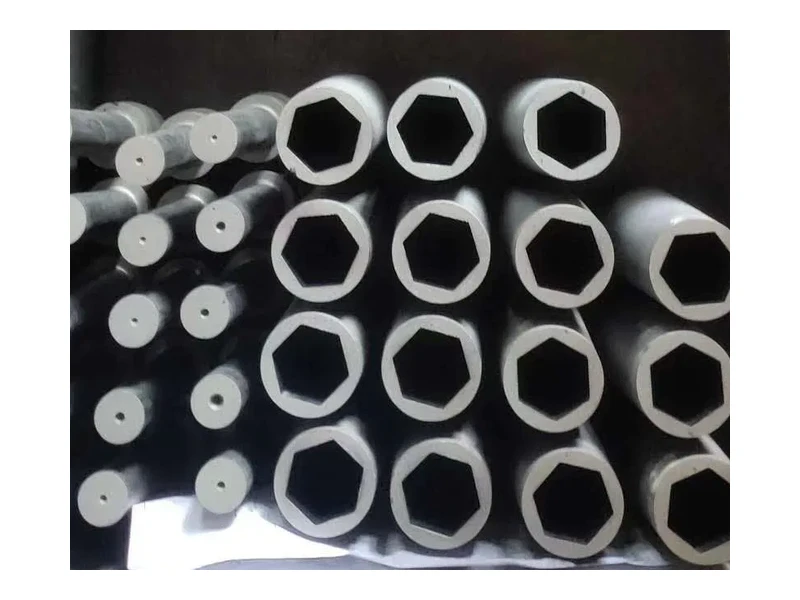
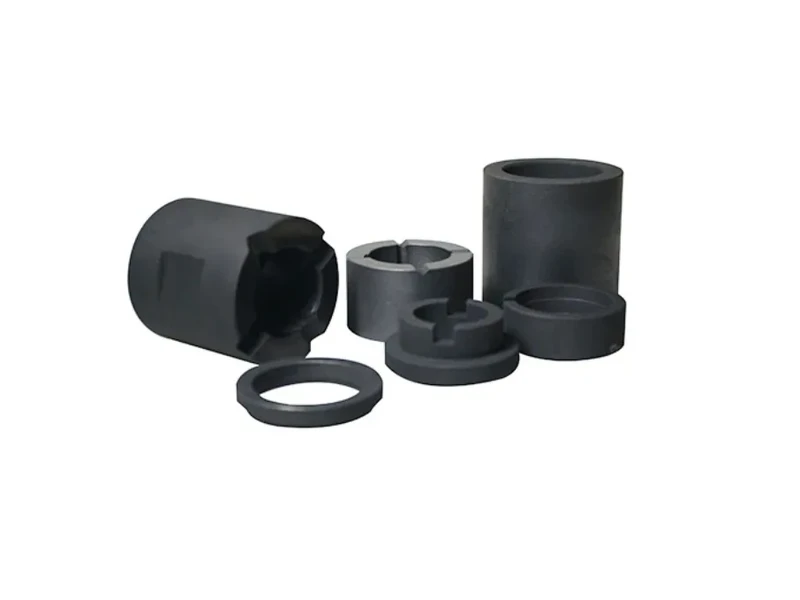
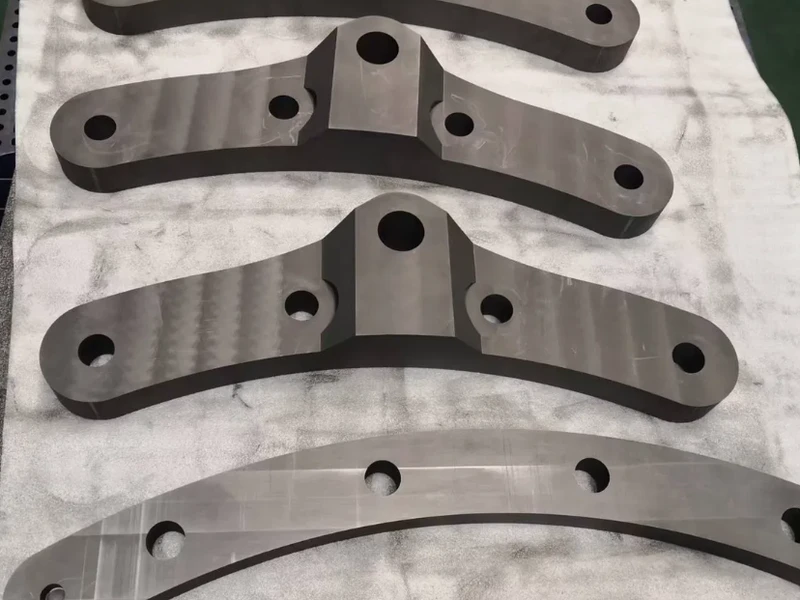
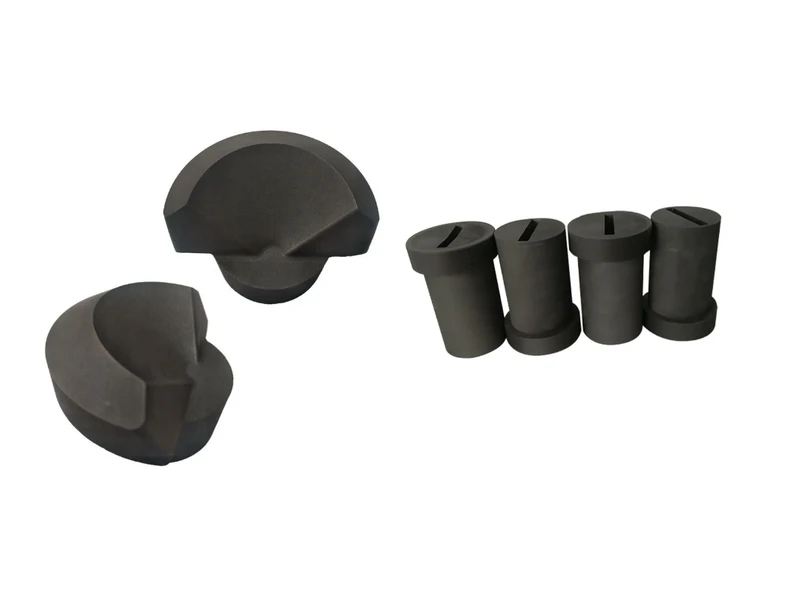
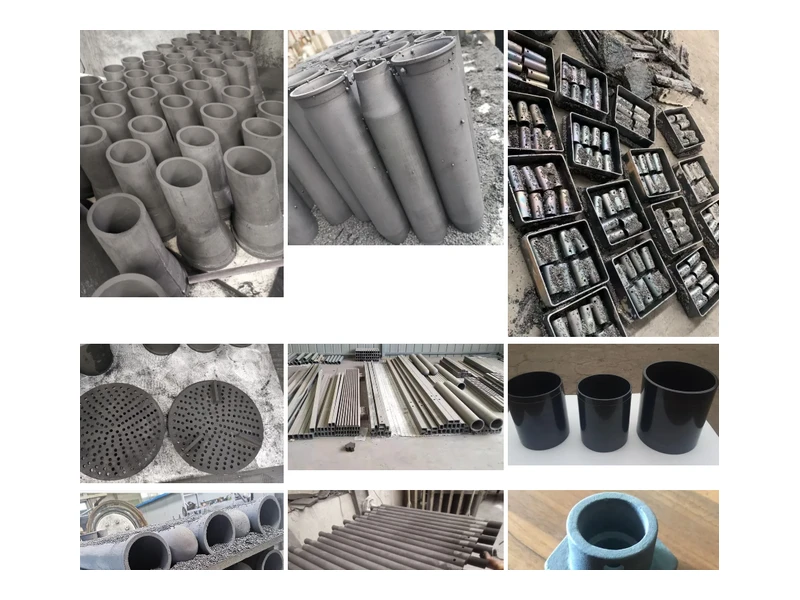
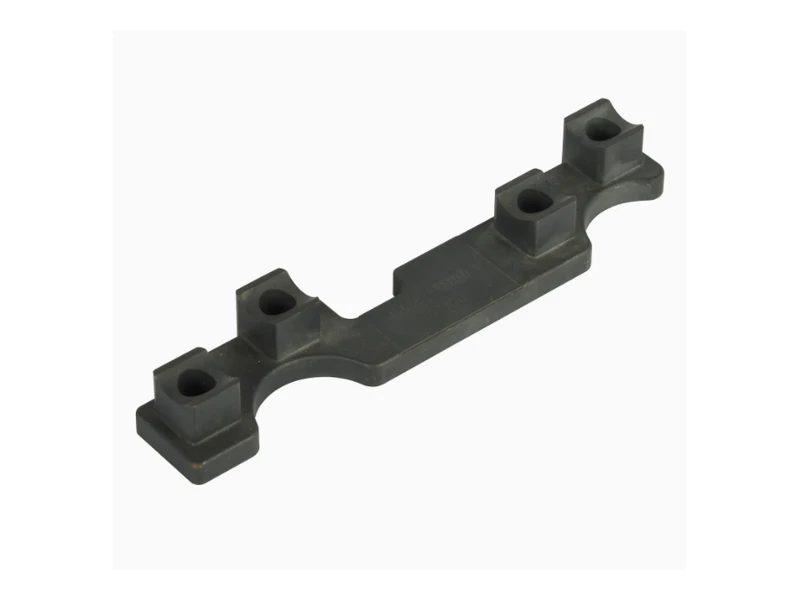
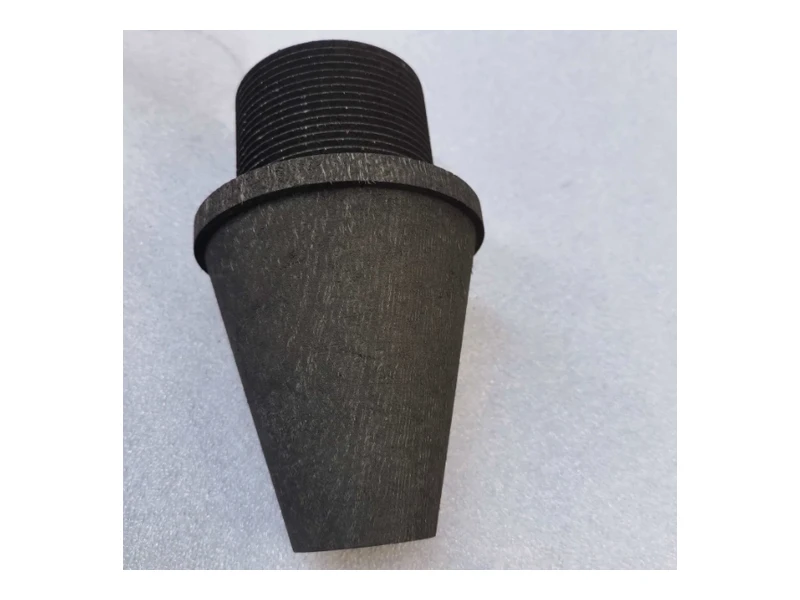
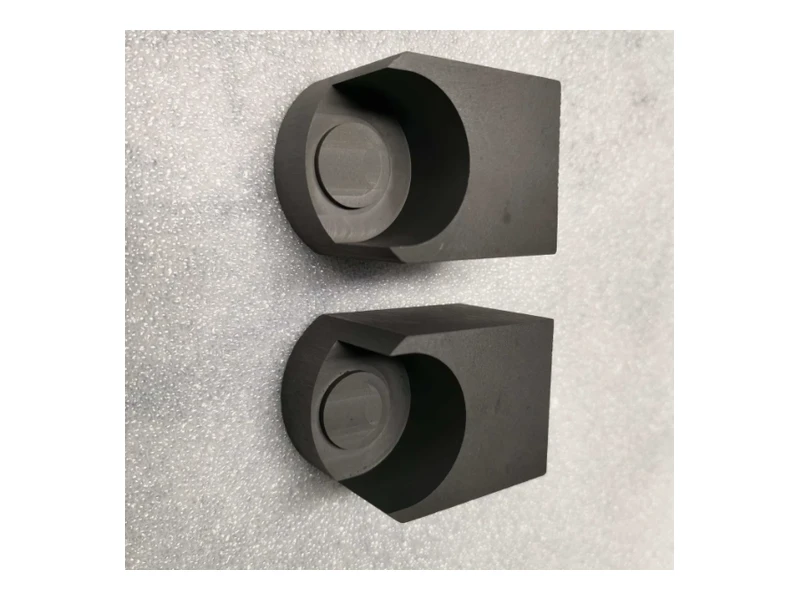
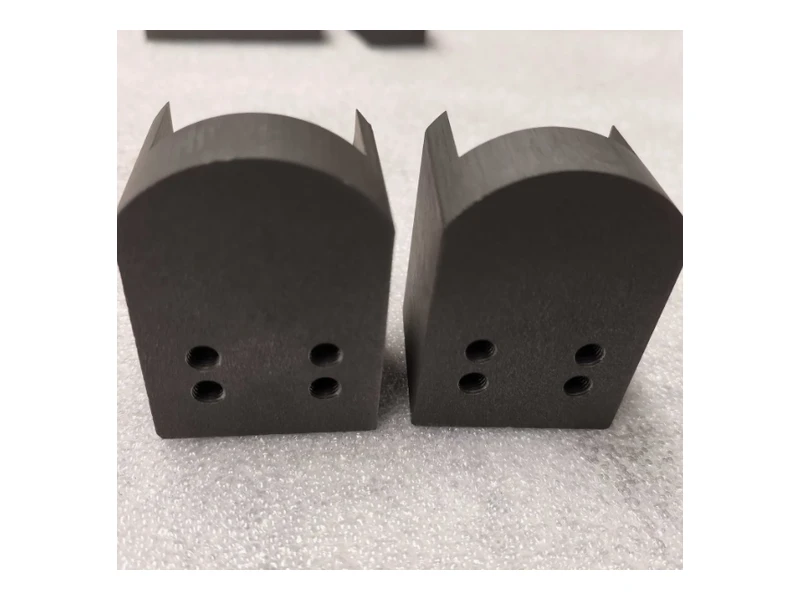
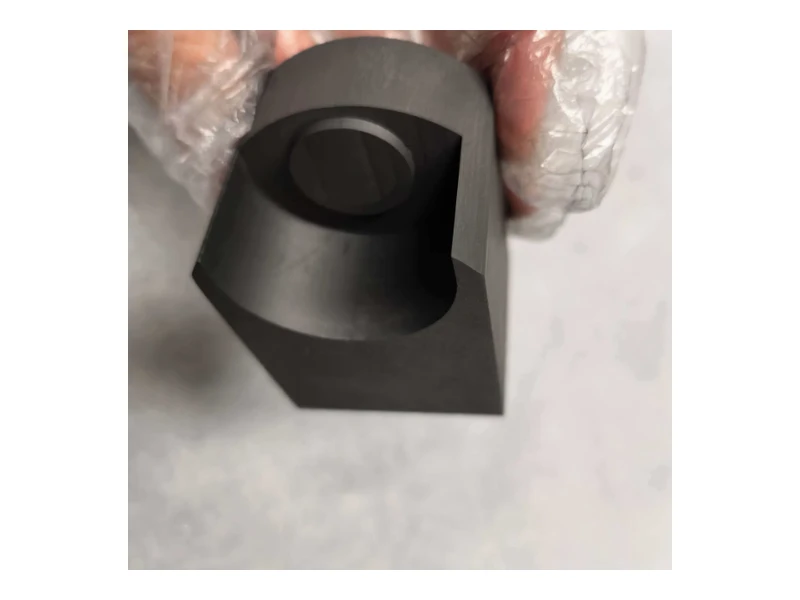
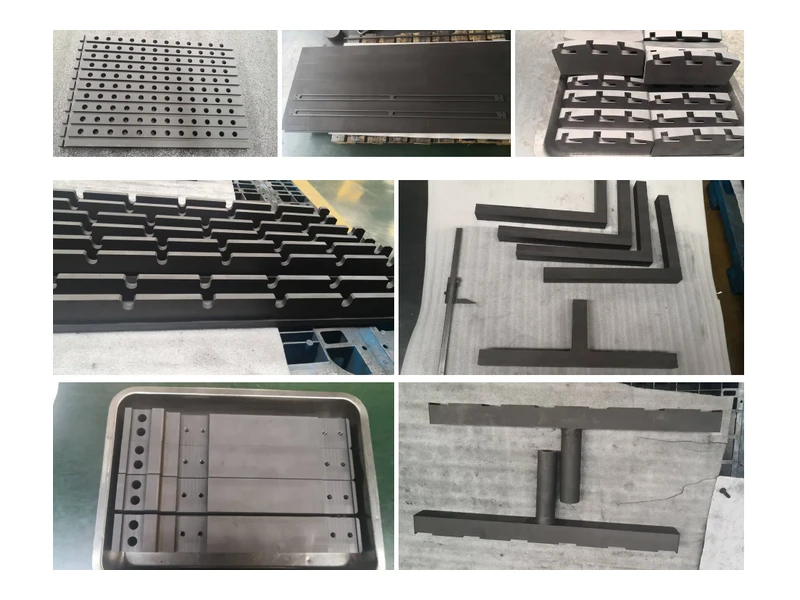
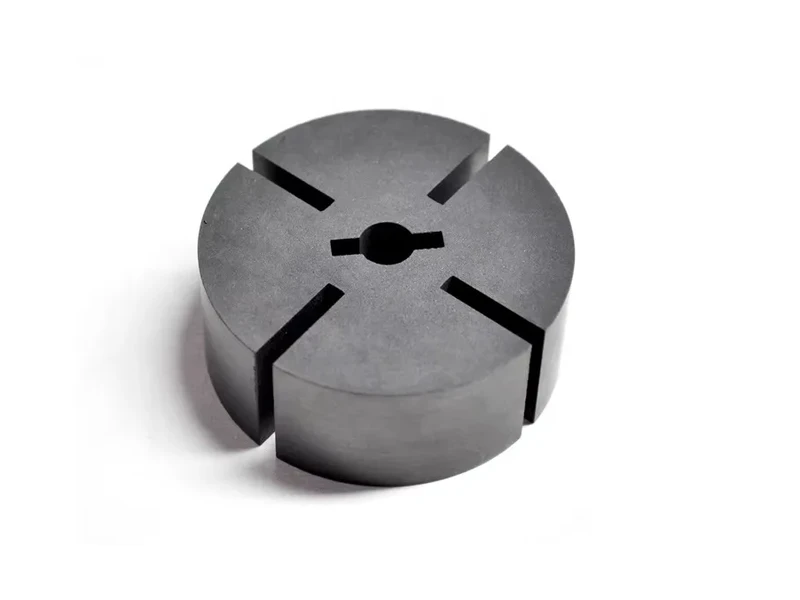
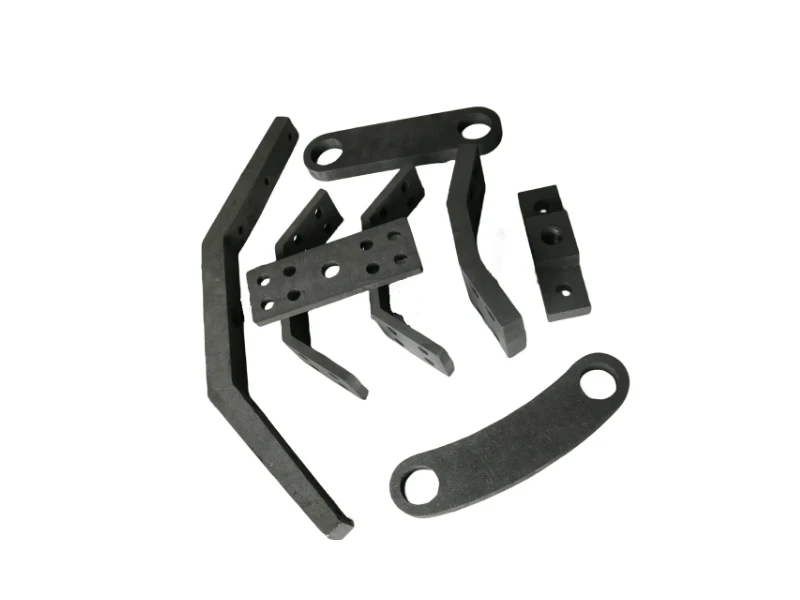
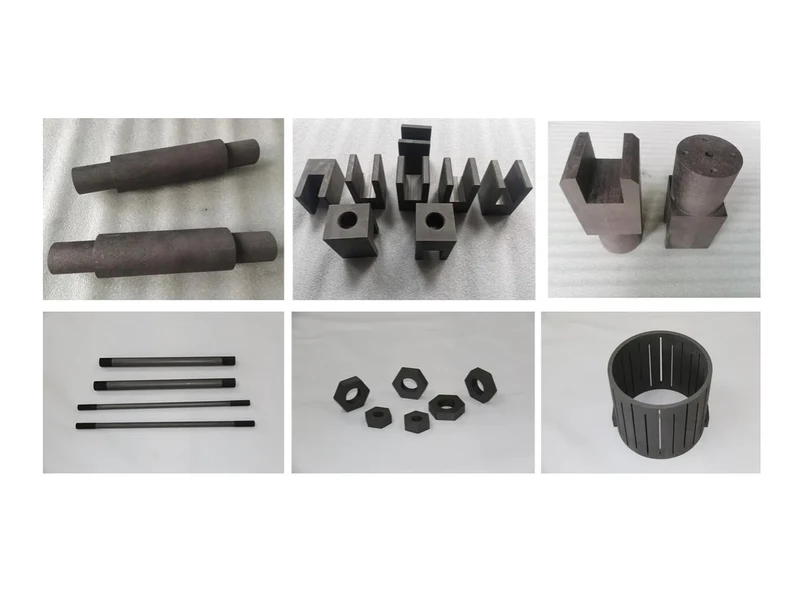
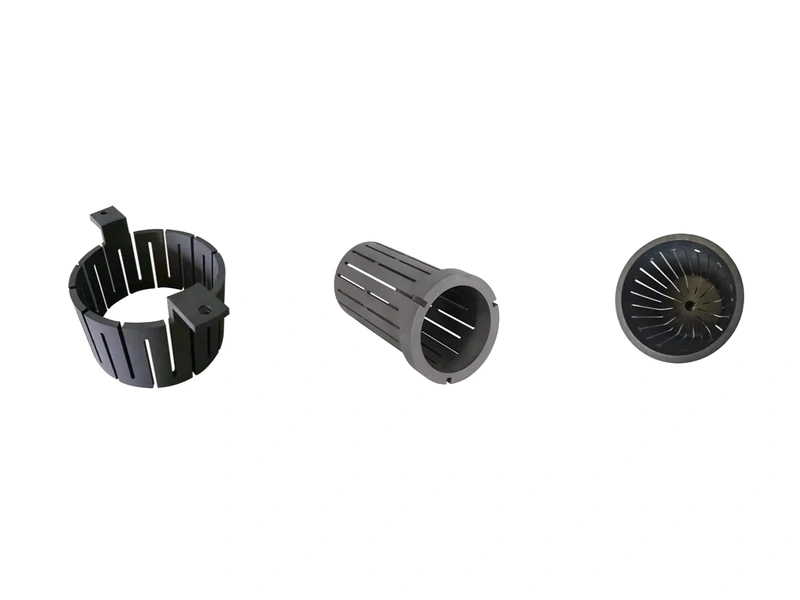
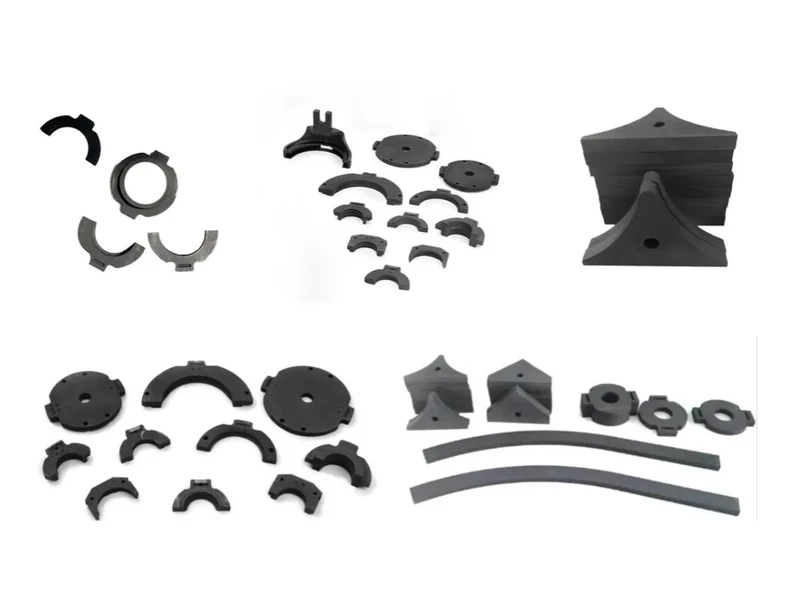
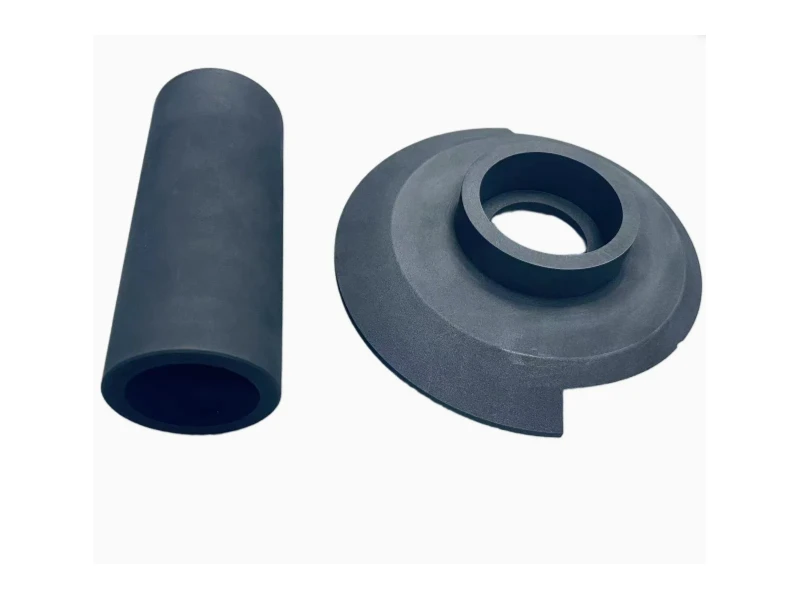
Because the operating environment determines part survival, QDZRT Graphite supplies custom components machined from our proprietary primary forming series. We match each drawing to the optimal forming route to ensure thermal, mechanical, and economic suitability.
| Material Forming Series | Material Characteristics | Recommended Component Applications |
|---|---|---|
| Isostatic Graphite (DJY Series) | Ultra-fine grain structure (<10 μm), high bulk density (1.80–1.88 g/cm³), uniform isotropic mechanical properties across all axes | High-precision EDM electrodes, semiconductor wafer handling components, vacuum chamber structural parts, tight-tolerance sealing rings |
| Molded Graphite (MY Series) | Medium-fine grain structure, balanced mechanical strength, excellent thermal shock resistance, bulk density 1.70–1.78 g/cm³ | Vacuum furnace hot-zone supports, sintering trays, heating fixtures, hot pressing molds, and metallurgy crucibles |
| Extruded Graphite (JY Series) | Directional grain flow, high electrical and thermal conductivity, cost-effective for large elongated profiles | Furnace heating rods, heavy electrode connectors, guide rails, continuous casting dummy bars, and long structural tubes |
| High-Purity Purified Graphite | Post-graphitization thermal halogen purification to eliminate volatile trace metals and metallic contaminants | Semiconductor epitaxy carriers, photovoltaic furnace components, and cleanroom vacuum thermal processing fixtures |
Equivalent Material Grade Selection: If your engineering drawing specifies international brand grades (e.g., Toyo Tanso, SGL Carbon, Mersen, Tokai Carbon, or POCO), please indicate the reference code in your RFQ. The QDZRT Graphite engineering team provides certified material grade mapping and equivalent selection based on matched grain size, bulk density, flexural strength, and CTE—helping you optimize procurement budgets while safeguarding performance and reliability.
Designated Material Sourcing: If your application strictly requires certified third-party brand graphite materials, our facility can also procure, inspect, and precision-machine designated authentic graphite stock blocks according to your exact drawing specifications.
Due to the structural nature of precision graphite, comprehensive packaging protocols are vital to safeguard edges, sealing faces, and micron-tolerance features during international transport. QDZRT Graphite applies strict multi-layer protective packaging for every export consignment:
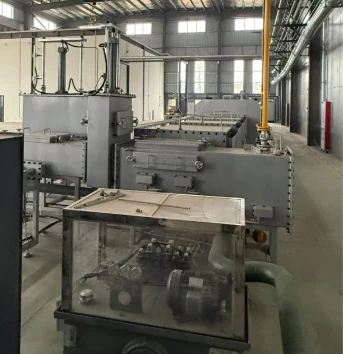 High-Pressure Nitrogen Dedusting Line: Finished components undergo high-velocity clean, dry nitrogen blowdown in our inspection area to remove all residual surface carbon dust prior to wrapping.
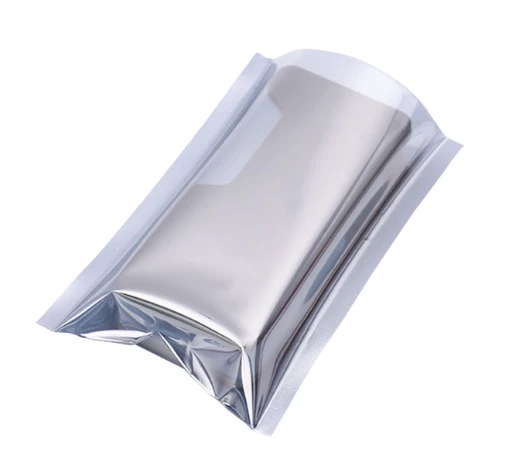 Anti-Static Shielding & Vacuum Bag: Components are individually sealed in thick anti-static PE bags or vacuum barrier pouches to prevent moisture ingress, dust re-attachment, and atmospheric exposure.
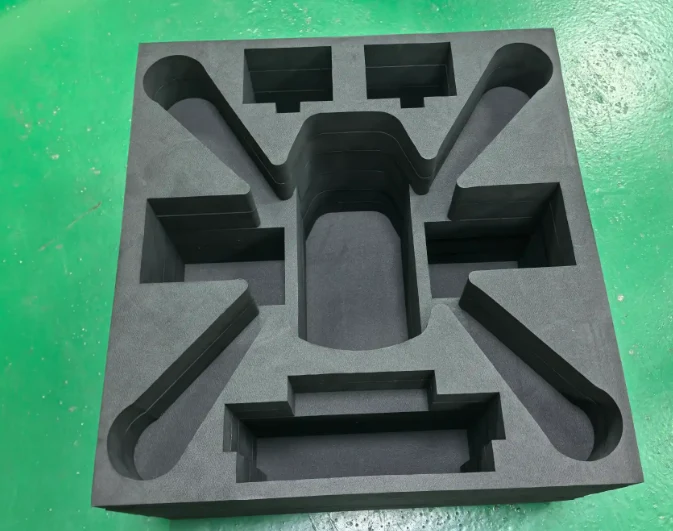 Custom CNC-Cut High-Density EPE Foam: Fragile, thin-walled, or complex contoured parts are nested within custom CNC-milled high-density EPE foam cutouts, providing 360-degree shock absorption and eliminating in-transit vibration.
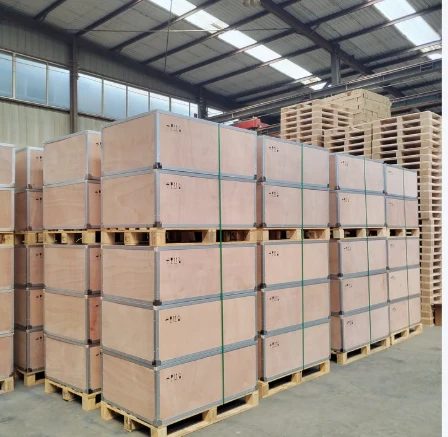 ISPM-15 Export Plywood Cases & Pallets: Heavy-duty exterior shipping cases constructed from export-grade plywood, reinforced with internal moisture-barrier liners, desiccants, and external steel strapping.
For standard CNC milling and turning, we hold general tolerances to ISO 2768-m (±0.05 mm). For critical functional features, bearing bores, and precision sealing surfaces, our precision finishing and diamond grinding operations reliably hold critical features to ±0.02 mm (20 μm), verified using calibrated digital micrometers and precision inspection gauges.
We accept all standard 3D CAD formats, including STEP (.stp, .step), IGES (.igs), and Parasolid (.x_t). For 2D drawings with tolerance callouts, GD&T, and surface finish notes, we accept DWG, DXF, and vector PDF files.
Yes. Protecting customer intellectual property and proprietary engineering designs is standard protocol at QDZRT Graphite. We routinely sign bilateral NDAs before customers transmit CAD models and technical specifications.
Yes. Our engineering team routinely assists customers with graphite material grade matching. By evaluating your operating temperature, furnace atmosphere (vacuum, argon, nitrogen), mechanical load, friction conditions, and thermal cycle frequency, we recommend the optimal factory grade (isostatic, molded, or extruded) to balance performance and cost.
Yes. We support single-piece prototype fabrication, pilot trial batches, replacement wear parts, and full-volume serial production runs. Please note that for prototype or small-batch runs, a nominal machine setup and CAM programming fee applies to cover dedicated tooling calibration, fixturing, and custom raw graphite stock preparation. For subsequent serial volume orders, this initial setup charge can typically be credited toward the production order, ensuring optimal volume pricing.
We use dedicated PCD (Polycrystalline Diamond) and CVD diamond-coated cutting tools, high spindle speeds (up to 24,000 RPM), and optimized CAM toolpaths with specialized entry/exit strategies. In addition, our DFM review helps identify knife-edges or fragile wall sections to introduce protective edge chamfers or radii prior to machining.
All finished parts undergo dry nitrogen dedusting, followed by individual anti-static sealing and custom CNC-cut high-density EPE foam nesting. Exterior packaging utilizes reinforced ISPM-15 compliant export plywood crates with internal desiccants and corner protectors to withstand international ocean and air freight.
If you are developing or sourcing custom precision graphite components for vacuum furnaces, EDM tooling, semiconductor equipment, metallurgy processes, or mechanical sealing assemblies, contact QDZRT Graphite directly. Send your technical drawings or project specifications to our engineering team for a comprehensive DFM review and factory-direct quotation within 24 hours.
 PRODUCT
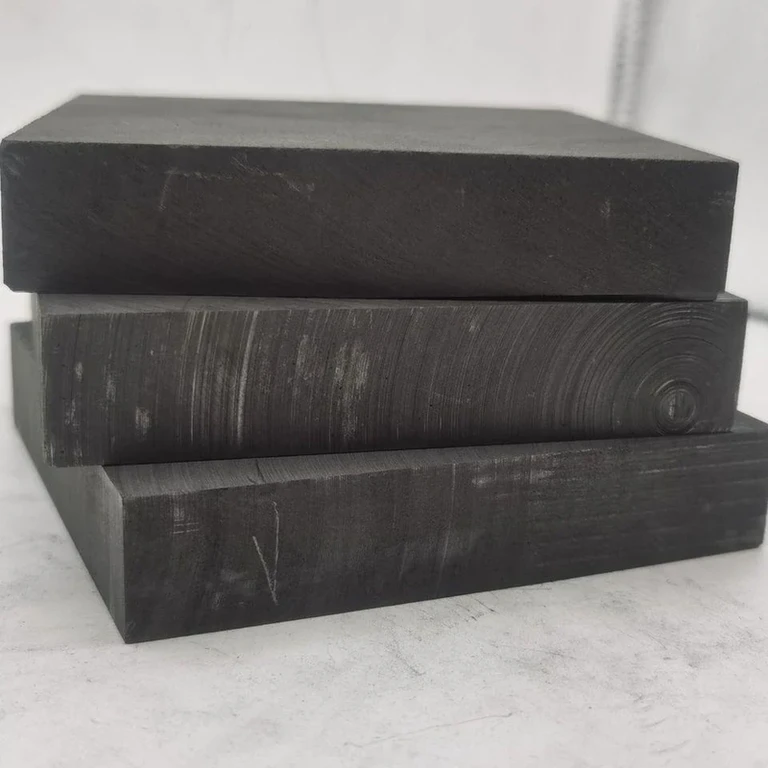
DJY Series isostatic graphite for EDM, precision machining, furnace fixtures, semiconductor-related components, and other applications requiring a uniform graphite structure.
 PRODUCT
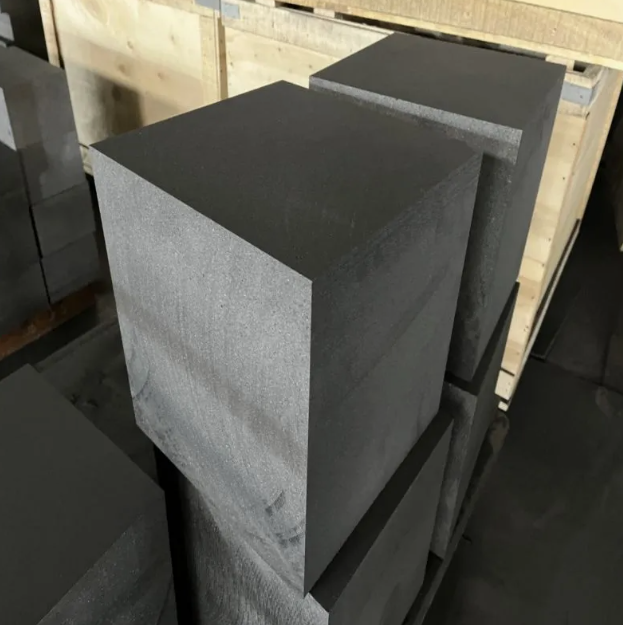
MY Series molded graphite for general industrial blocks, molds, furnace supports, metallurgy, electrodes, and drawing-based machined graphite components.
 PRODUCT
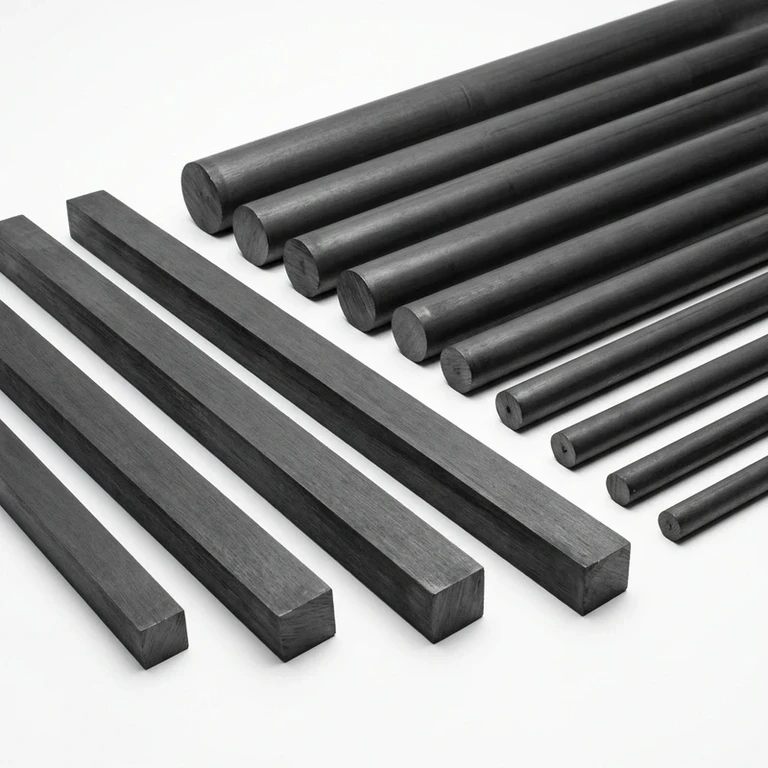
JY Series extruded graphite for rods, heating components, furnace structural parts, larger sections, and general industrial machining where material orientation is considered in selection.
 PRODUCT
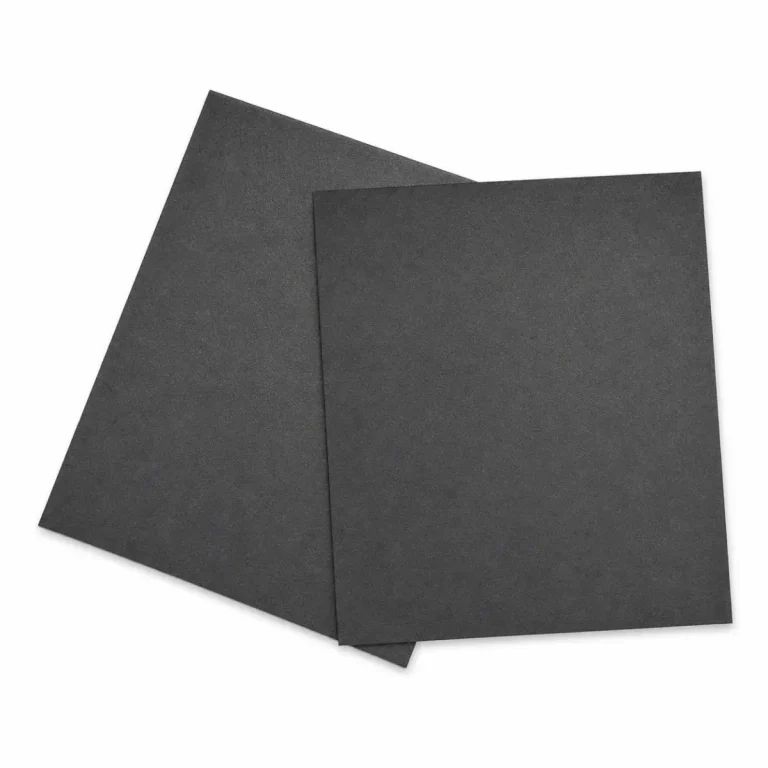
Thin flexible graphite paper and graphite roll material for heat spreading, lamination, die-cutting, adhesive backing, sealing sheets and thermal management processing.
 PRODUCT
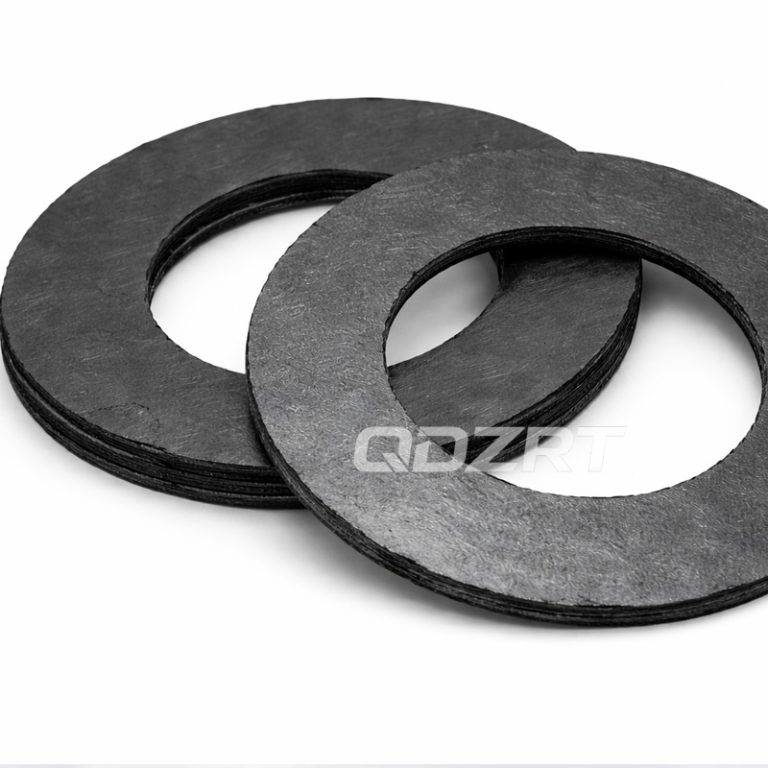
Graphite Sealing Materials cover flexible graphite sheets, reinforced graphite sheets, graphite gaskets, packing rings, braided packing, and graphite-filled gasket solutions for valves, pumps, flanges, steam lines, and industrial equipment.
 PRODUCT
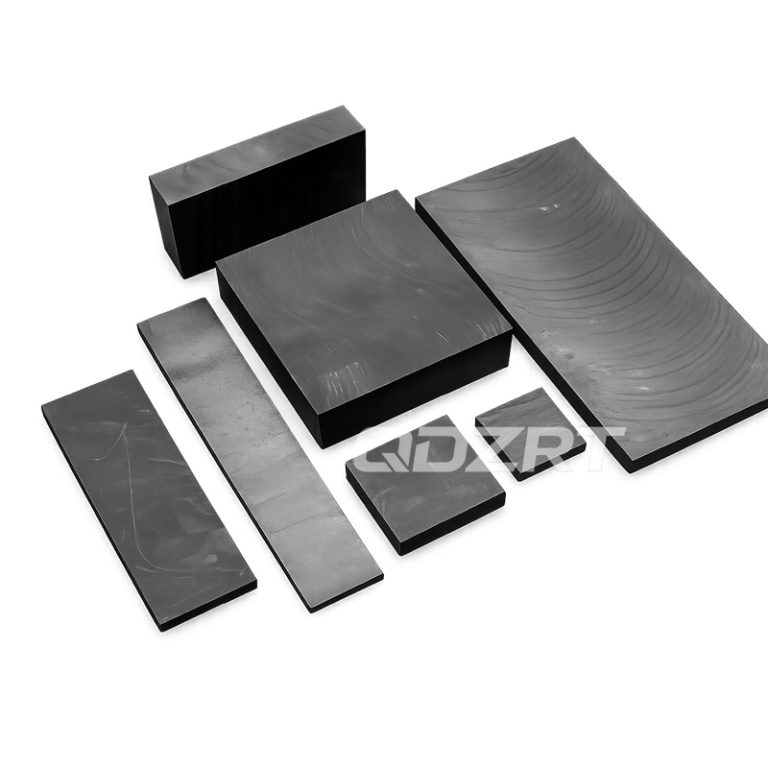
Graphite Block is the QDZRT Graphite overview for three forming-route series: DJY isostatic, MY molded, and JY extruded graphite. Fine-grain, high-purity, EDM, and other requirements are confirmed at grade level for the application.
 PRODUCT
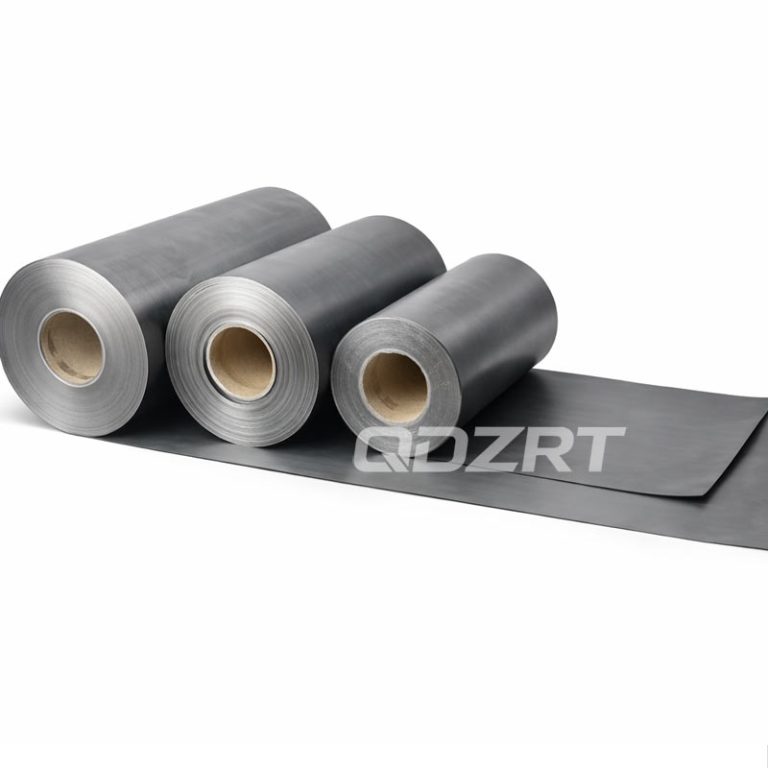
Flexible graphite sheet made from high-purity natural graphite for industrial sealing, gasket manufacturing, insulation and thermal management applications.
PRODUCT
JY Series extruded graphite for rods, heating components, furnace structural parts, larger sections, and general industrial machining where material orientation is considered in selection.