Extrusion Forming Process
JY Series is manufactured via continuous extrusion, offering high throughput and cost-effective bulk formats.

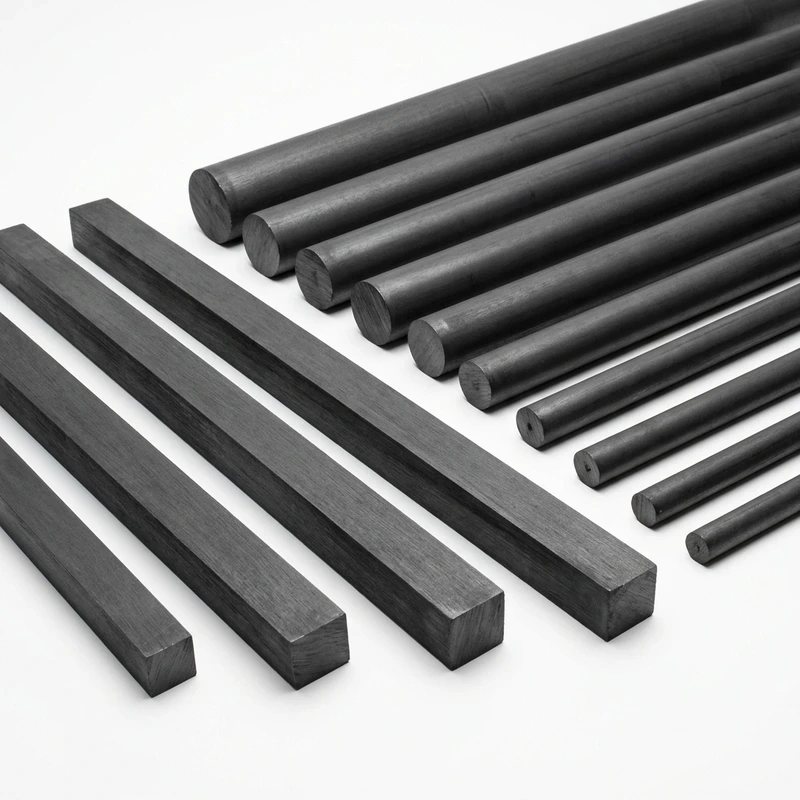
JY Series extruded graphite for rods, heating components, furnace structural parts, larger sections, and general industrial machining where material orientation is considered in selection.
JY Series is manufactured via continuous extrusion, offering high throughput and cost-effective bulk formats.
Available as extruded cylindrical rods up to Φ600 mm, square billets, and heavy-section industrial parts.
Low resistivity (8.5–9.0 μΩ·m) optimized for metallurgical heating elements and electrical applications.
Material properties are calibrated along parallel and perpendicular extrusion directions.
JY Series comprises extruded graphite grades manufactured by QDZRT Graphite. It is intended for rods, heating components, furnace structural parts, larger sections, and general industrial machining where forming direction and material orientation must be considered.
Each published JY numeric set comes from one extruded-grade source row. Endpoints from different source grades are not merged.
| Grade | Bulk DensityBulk Density (ASTM C559 / C838)(g/cm³) | ResistivitySpecific Electrical Resistivity (ASTM C611)(μΩ·m) | Grain SizeAverage / Maximum Grain Size | Flexural StrengthFour-Point Flexural Strength (ASTM C651)(MPa) | Compressive StrengthCompressive Strength (ASTM C695)(MPa) | Thermal ConductivityThermal Conductivity at 20°C(W/(m·K)) | CTECoefficient of Thermal Expansion (CTE, 20–100°C)(×10⁻⁶/K) | AshAsh Content / Purity (ASTM C561 / DIN 51903) |
|---|---|---|---|---|---|---|---|---|
| JY-T01 | ≥1.72 g/cm³ | ≤8.5 μΩ·m | Coarse | ≥14 MPa | ≥34 MPa | — | — | ≤0.3% |
| JY-T02 | ≥1.72 g/cm³ 1.74 g/cm³ (Typical) | ≤9.0 μΩ·m 8.5 μΩ·m (Typical) | ≤0.8 mm | ≥13.5 MPa 15.5 MPa (Typical) | ≥32 MPa 38 MPa (Typical) | ≥120 W/(m·K) 140 W/(m·K) (Typical) | ≤2.8 ×10⁻⁶/K 2.4 ×10⁻⁶/K (Typical) | ≤0.2% 0.10% (Typical) |
Extruded graphite is formed by pushing plasticized green paste through shaping dies, making it the most cost-effective method for producing long cylindrical rods and substantial rectangular beams. Standard factory sizes include:
| Format Type | Standard Size Ranges (mm) | Typical Supply State |
|---|---|---|
| Cylindrical Rods & Electrodes | Diameter: Φ100 mm to Φ1200 mm Length: 1000 mm to 3000 mm |
Extruded logs, rough-turned rods, threaded pin connections |
| Square & Rectangular Beams | 350 × 350 mm, 400 × 400 mm, 500 × 500 mm Length: up to 2500 mm |
As-extruded billets, sawn blocks, slotted heater cages |
| Cut-to-Length Blanks | Cut per project length requirements | Minimizes material scrap and reduces overseas shipping tonnage |
The extrusion process naturally aligns the needle coke particles parallel to the extrusion axis. This creates distinct directional properties that engineers must take into account during equipment design:
QDZRT Graphite provides comprehensive turning, milling, and threading capabilities for extruded graphite components:
JY Series material can be supplied as extruded stock, cut blanks, or machined parts subject to the available grade and section. Because extrusion creates directional properties, drawings and property requirements should identify the important working direction where relevant.
Provide the required section, length, application, density, electrical requirement, mechanical load, operating temperature/atmosphere, and machining drawing if available. QDZRT Graphite will confirm the appropriate JY specification and the available property combination before order.
Because extruded graphite is anisotropic, electrical resistivity is 20–30% lower parallel to the extrusion direction (With-Grain). Current-path orientation changes electrical resistance; thermal distribution and power demand must be verified for the specific element and circuit.
QDZRT Graphite supplies extruded graphite rods ranging from Φ100 mm up to Φ1200 mm in diameter, with standard lengths up to 2500–3000 mm.
Yes. QDZRT Graphite regularly machines male and female threaded connections (standard metric, UNC, or customized tapered electrode threads) for connecting heating elements and conductive rods seamlessly.
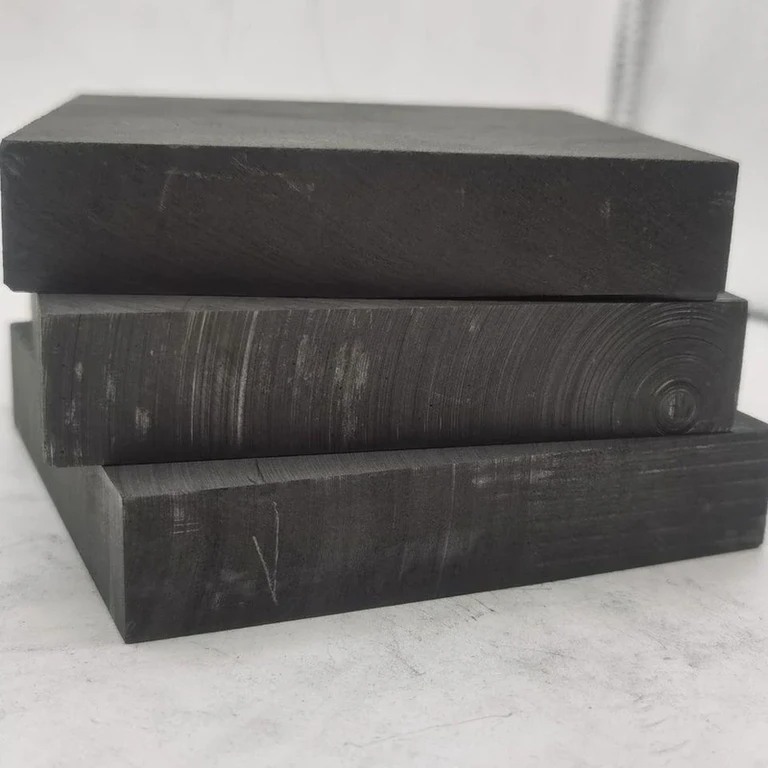 PRODUCT
DJY Series isostatic graphite for EDM, precision machining, furnace fixtures, semiconductor-related components, and other applications requiring a uniform graphite structure.
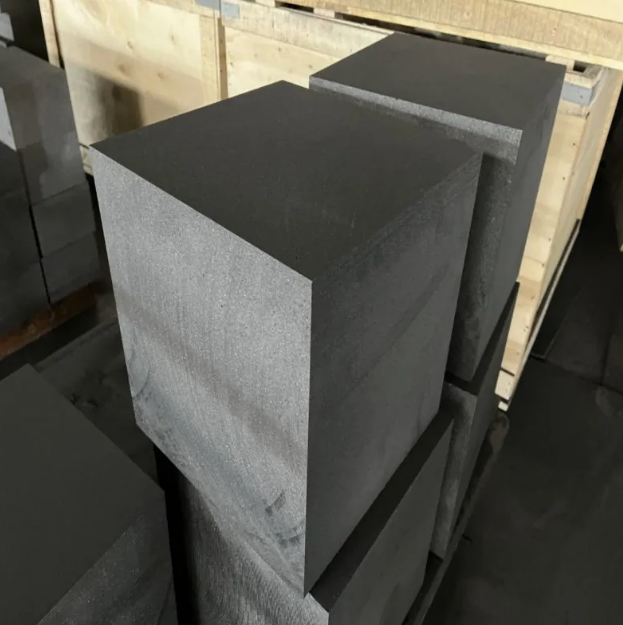 PRODUCT
MY Series molded graphite for general industrial blocks, molds, furnace supports, metallurgy, electrodes, and drawing-based machined graphite components.
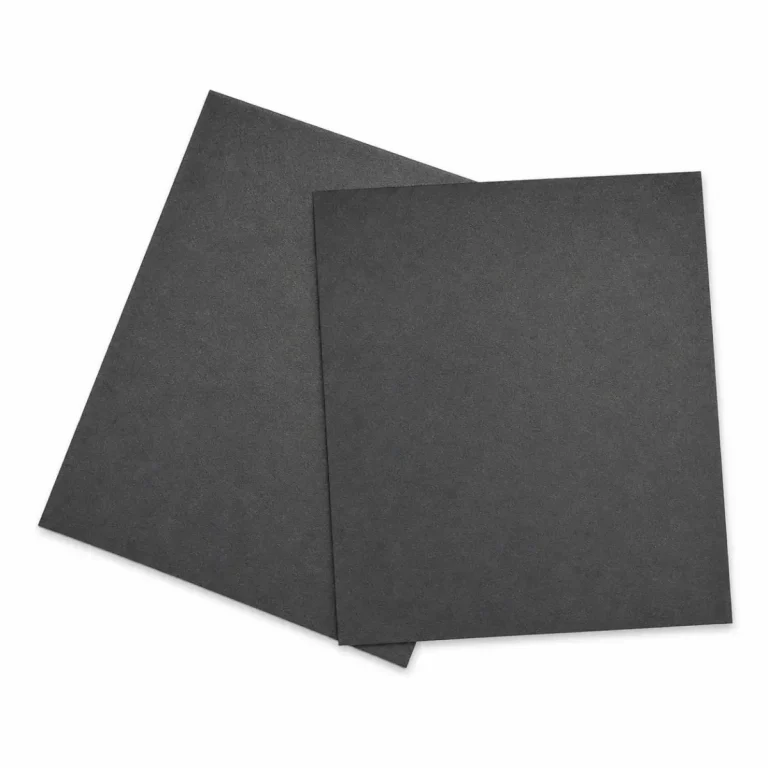 PRODUCT
Thin flexible graphite paper and graphite roll material for heat spreading, lamination, die-cutting, adhesive backing, sealing sheets and thermal management processing.
 PRODUCT
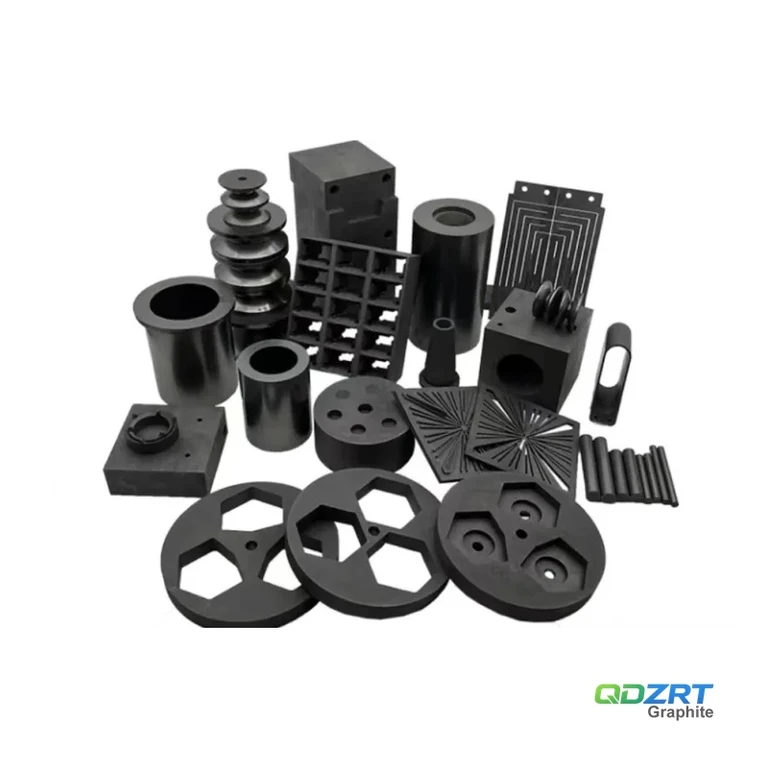
Custom Graphite Machined Parts are drawing-based graphite components manufactured from isostatic, molded, extruded, fine grain, or high purity graphite for EDM, thermal processing, metallurgy, sealing, and industrial equipment.
 PRODUCT
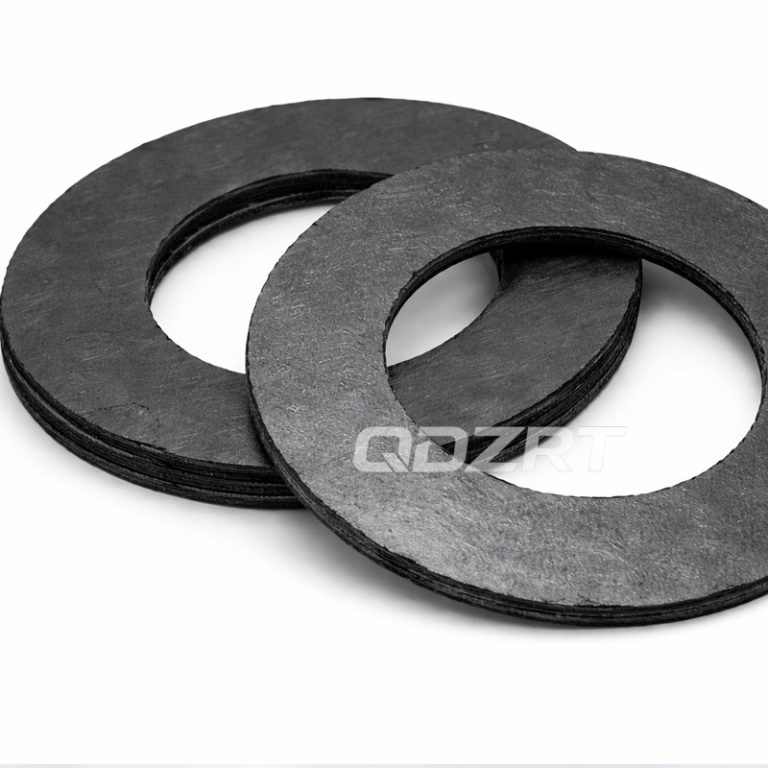
Graphite Sealing Materials cover flexible graphite sheets, reinforced graphite sheets, graphite gaskets, packing rings, braided packing, and graphite-filled gasket solutions for valves, pumps, flanges, steam lines, and industrial equipment.
 PRODUCT
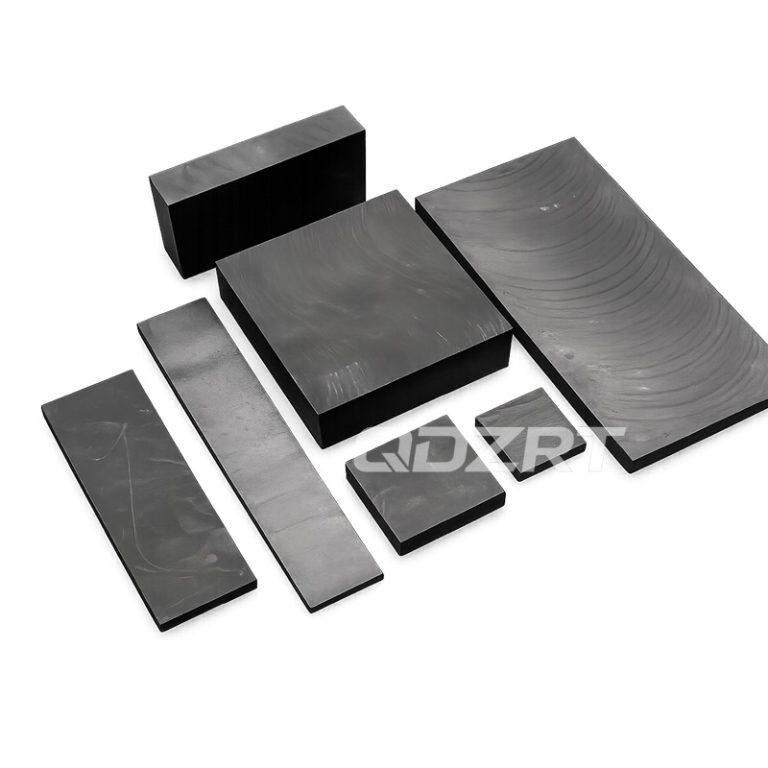
Graphite Block is the QDZRT Graphite overview for three forming-route series: DJY isostatic, MY molded, and JY extruded graphite. Fine-grain, high-purity, EDM, and other requirements are confirmed at grade level for the application.
 PRODUCT
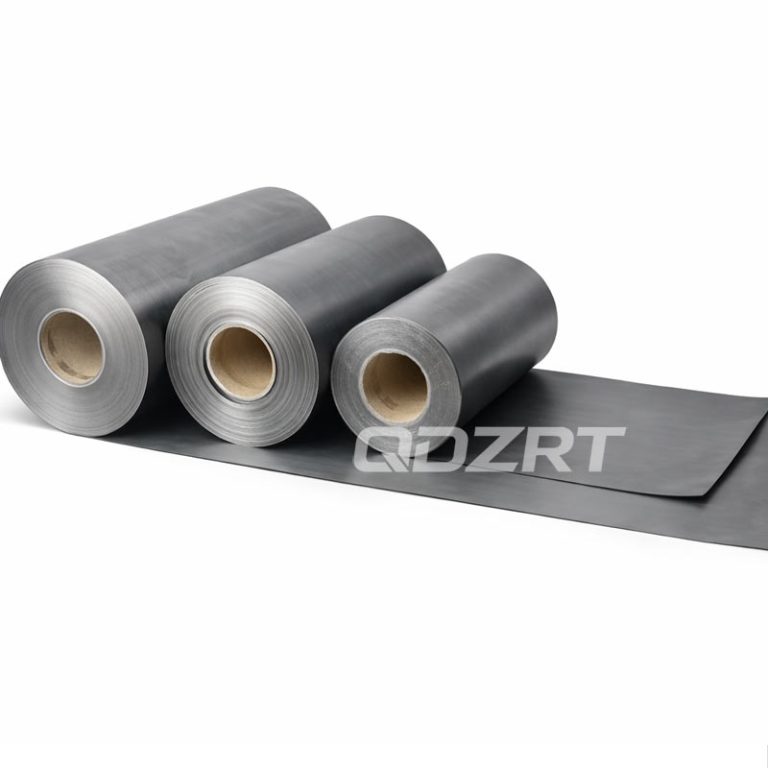
Flexible graphite sheet made from high-purity natural graphite for industrial sealing, gasket manufacturing, insulation and thermal management applications.
PRODUCT
MY Series molded graphite for general industrial blocks, molds, furnace supports, metallurgy, electrodes, and drawing-based machined graphite components.