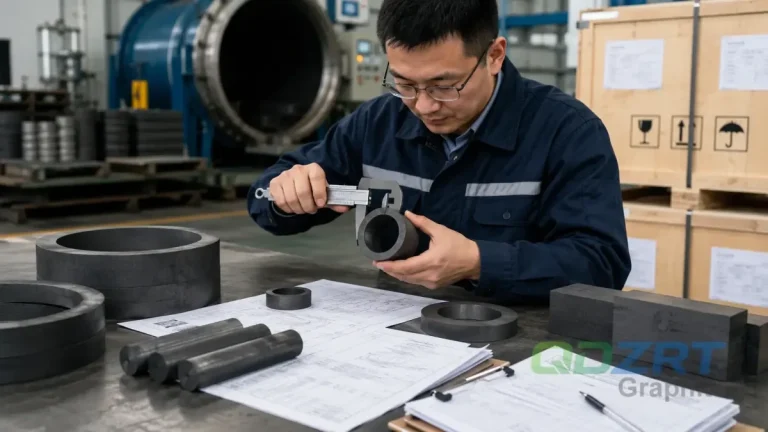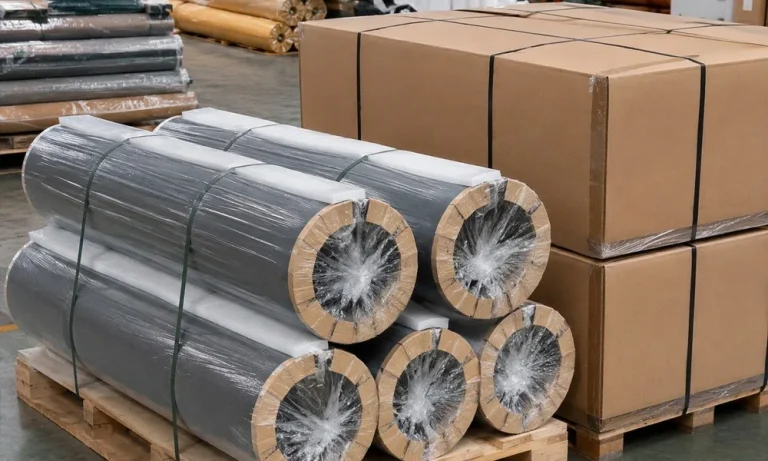
International graphite projects can generate several versions of specifications, quotations, drawings, packing notes and delivery instructions. For orders that need that level of coordination, QDZRT Graphite keeps the current information in a consolidated digital order record so the latest revision and open decisions are easier to identify.
The same approach can support graphite products, graphite raw materials and custom graphite machined parts. Drawing-based work still starts with the approved product definition, material requirement, tolerance priorities, quantity and inspection basis. The digital record keeps those decisions traceable as the project moves from quotation to production and shipment.
Revision control matters most when a customer changes a drawing, delivery requirement or packing instruction after the first quotation. The active record should show the current revision, responsible owner, open decisions and release status, while earlier correspondence remains available as project history. This reduces the risk of an obsolete message returning to production as a current instruction.
One Active Revision, With Earlier Versions Kept as History
Each controlled item should have one identifiable active version. For a drawing, that means the document name or number, revision, date and approval status. For a packing instruction or delivery note, it means the current instruction and the date it replaced the previous one. Earlier versions can remain in the project history, but they should not compete with the active version when production or shipment decisions are made.
Track Open Decisions Separately from Files
A file register answers “which document is current,” while an open-decision list answers “what still needs an answer.” Useful fields are the question, affected item, responsible party, current status and the operational impact if the decision remains open. Examples include an unconfirmed tolerance, an undecided packing mark, a missing inspection requirement or a delivery instruction that still needs approval. Closing the decision should record the agreed answer so it does not have to be reconstructed from a long message thread later.
Exchange Technical Files Through an Agreed Project Channel
The public inquiry form is used to start the request and does not upload attachments. After contact is established, drawings, CAD files, specifications and controlled documents can be exchanged by email or another channel agreed for the project. File names should identify the part or project and, where relevant, the revision. When a new revision replaces an earlier file, the accompanying message should state what changed and whether the new file supersedes the previous version for quotation, production, inspection or packing.
Customers can use the contact page to start the inquiry and summarize the key specifications and delivery requirements. After we reply, controlled drawings, CAD files, and other project documents should be exchanged by email or another agreed secure channel. We then confirm which information needs to be tracked for the quoted order and who is responsible for each outstanding decision.