Two laboratories can receive material from the same expandable graphite lot and report different expansion-volume results without either laboratory necessarily making a simple arithmetic mistake. The result is produced by a test sequence: sample preparation, sample mass, heating condition, furnace behavior, container geometry, timing, and the way the expanded column is read. If those conditions differ, the numbers can differ.
Expansion volume is a method-dependent result, not an isolated grade label. A specification that says only “expansion volume ≥ X mL/g” is incomplete unless it also identifies the method and acceptance conditions used to produce X. The current Chinese national product reference, GB/T 10698-2023, Expansible graphite, replaced GB/T 10698-1989 and has been in force since July 1, 2024. For current contracts, the buyer should verify the applicable method against the current edition rather than rely on an old laboratory worksheet inherited from the 1989 standard.
The broader expandable graphite selection guide explains how expansion volume fits with particle size, sulfur, and expansion temperature in grade selection. This article focuses on one narrower question: how to make an expansion-volume number reproducible enough for supplier comparison and incoming acceptance.
Expansion Volume Is a Method-Dependent Result
An expansion-volume result is meaningful only when the test conditions that create the expanded specimen are sufficiently defined. The number describes the material’s response inside a particular test, not an unconditional volume that will appear under every heating condition.
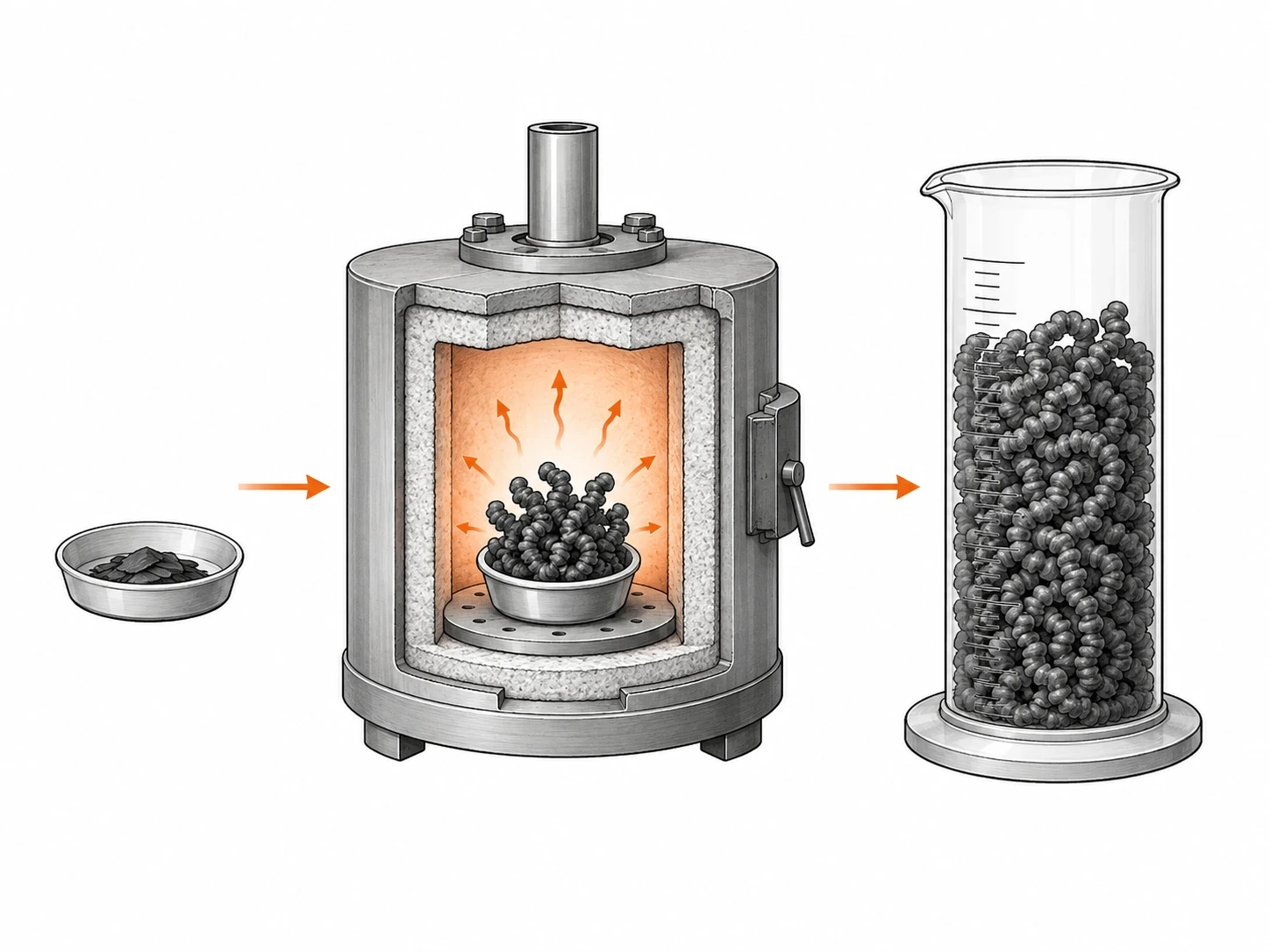
Expandable graphite changes rapidly when the intercalated structure is heated through the relevant activation range. Gas generation and layer separation produce the worm-like expanded form. The apparent bulk volume after expansion therefore depends not only on the raw material but on how quickly and uniformly the sample is heated and how the expanded material is allowed to occupy the measuring space.
This distinction matters in supplier comparison. Supplier A may report a high value using one heating temperature, furnace type, sample mass, and cylinder-reading practice. Supplier B may use another. If the buyer ranks the two numbers without first checking method equivalence, the comparison can reward test differences rather than material differences.
The same issue appears during incoming inspection. If a buyer’s in-house result differs from a supplier’s long-running COA data, compare the test conditions before deciding that the material changed. Method alignment comes before a material dispute.
For repeat purchasing, keep the method attached to the acceptance value in the specification, COA, and internal test instruction. A standalone number in an ERP description is not enough to reproduce the test later.
Sample Conditioning and Sample Mass
Sample condition and sample mass must be controlled because both can change how the material heats, expands, and occupies the measuring container. A test that begins with non-equivalent samples is not a clean comparison.
Moisture or other temporary sample-condition differences can affect handling and heating behavior. A sample that has been stored open in a humid environment may not be in the same condition as a sealed production sample. Agglomeration can also make scooping and mass distribution less representative. The laboratory should use the sample-conditioning requirements of the agreed method and document any deviation.
Sample reduction is equally important. Expandable graphite is a particulate material, and a production lot can contain a distribution of flake sizes. Taking one convenient spoonful from the surface of a bag can over-represent one fraction if segregation occurred during filling or transport. The sampling plan should produce a test portion that represents the lot on the agreed basis.
Mass affects the geometry of the test. If too much material is placed into a narrow container, the expanding worms can interact with one another and with the walls differently than they would at the specified loading. If too little is used, the final expanded height may be harder to read consistently. The correct mass is therefore not a number to improvise; it belongs to the test method.
Weighing resolution also becomes part of the result because expansion volume is often normalized by sample mass. The laboratory should use suitable weighing equipment, record the actual test portion, and avoid reporting more significant figures than the method and apparatus support. A highly precise-looking mL/g value is not automatically a highly repeatable measurement.
| Sample variable | Why it matters | What to record |
|---|---|---|
| Lot sampling | Segregation can make a convenient scoop unrepresentative. | Sampling location or composite-sample basis. |
| Conditioning | Storage state can change handling and heating response. | Conditioning requirement and any deviation. |
| Test mass | Changes the amount of expanding material in the measuring geometry. | Required and actual mass. |
| Weighing | Normalization depends on the mass value used. | Balance resolution and recorded test portion where required. |
Heating Temperature, Time, and Furnace Stability
Heating conditions are among the most important reasons two expansion-volume tests can diverge because expandable graphite responds to both the thermal level and the way heat reaches the sample. Temperature, exposure time, furnace recovery, and loading practice should be controlled as one system.
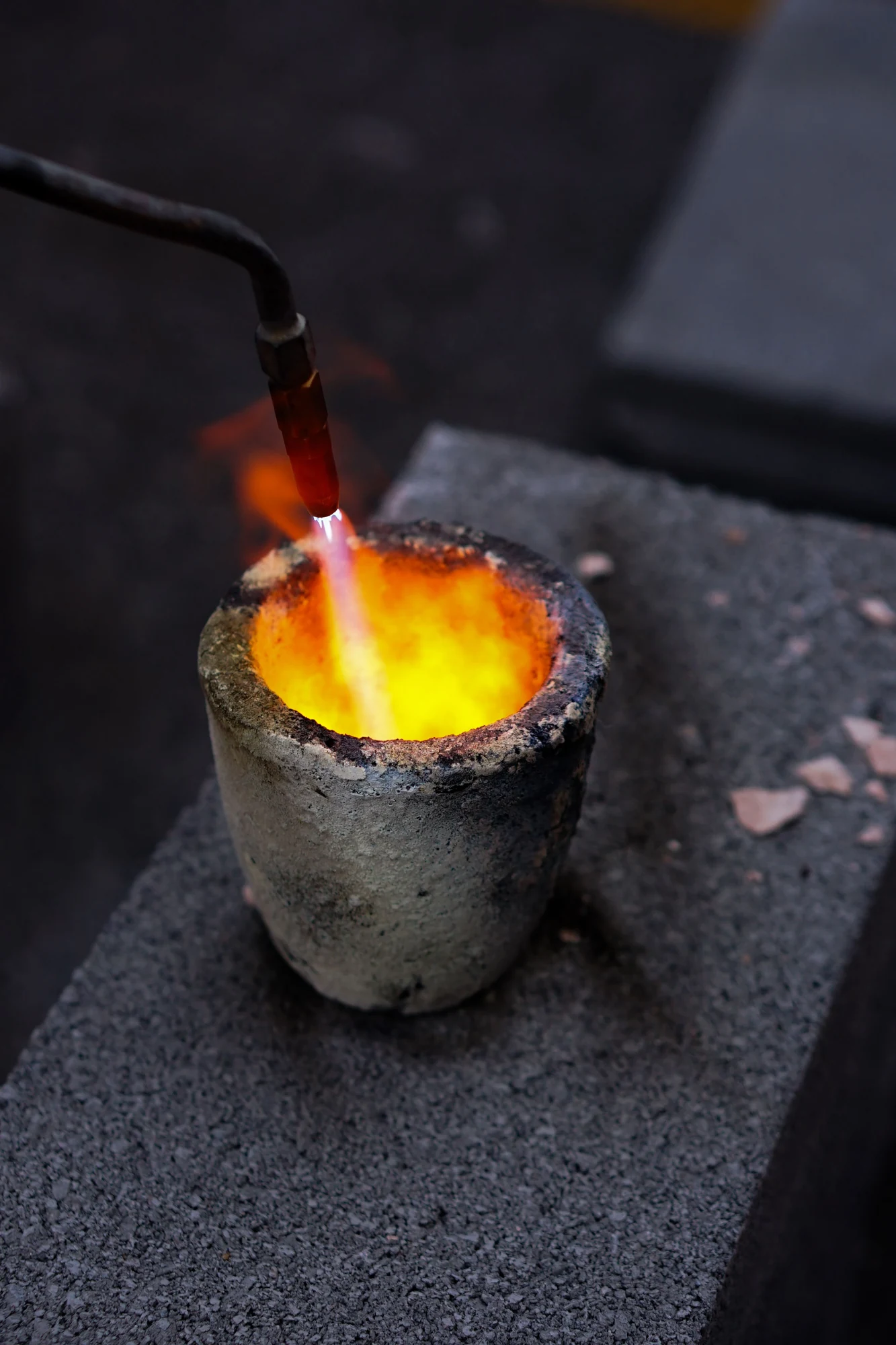
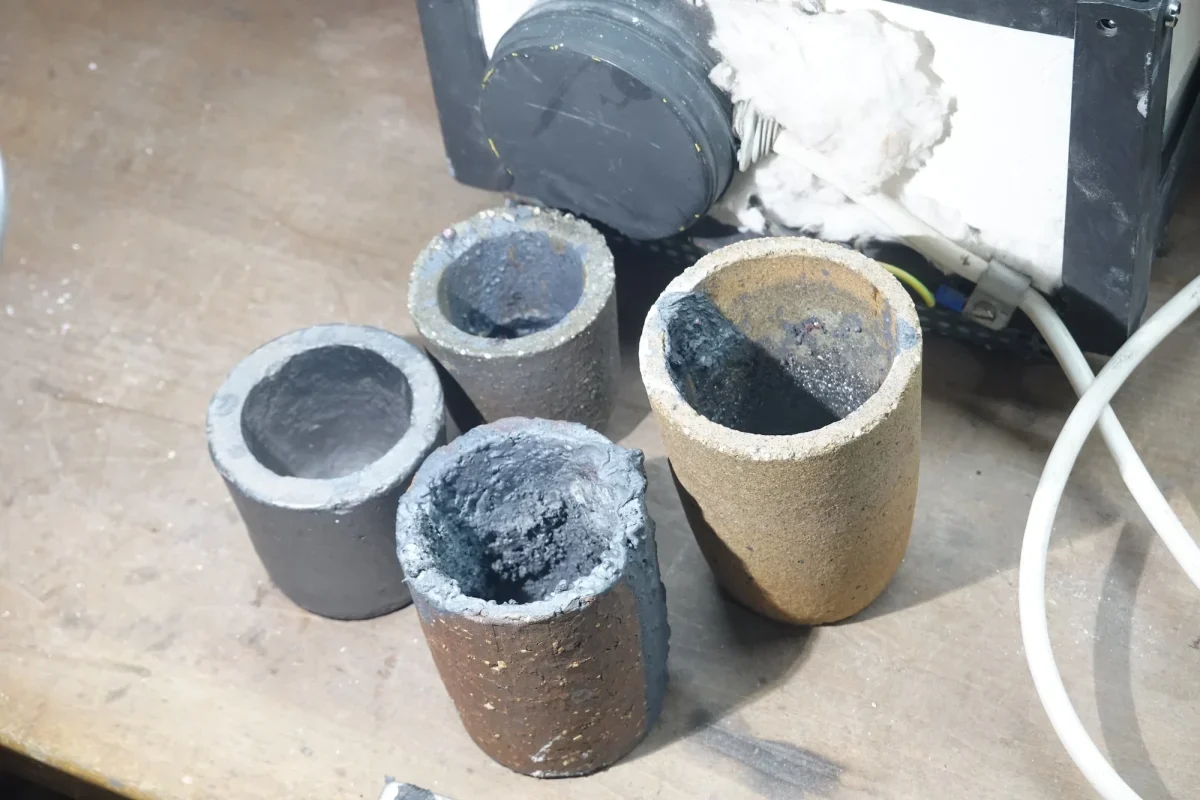
A furnace setpoint is not automatically the temperature history experienced by the sample. Opening a furnace can reduce local temperature; inserting a cold container can create another transient; placing the sample in a different zone can change the heat flux. Two furnaces displaying the same setpoint can therefore expose the test portion differently if their chamber size, airflow, thermal mass, loading practice, or recovery behavior differs.
Timing should have a defined start point. “Heat for one minute” can mean one minute after insertion, one minute after the chamber returns to setpoint, or one minute after another event. Those are not necessarily equivalent. The laboratory instruction should state the sequence clearly enough that another operator can reproduce it.
Furnace stability should be verified at the level required by the method. The objective is not to turn every routine incoming test into a research project; it is to remove uncontrolled thermal variation that can masquerade as lot variation. If a laboratory changes furnace model, container loading pattern, or placement zone, a bridging study against retained material can reveal whether the reported scale shifts.
For supplier-buyer disputes, running the same retained reference material in both laboratories can be more informative than repeatedly testing the disputed lot under different local methods. If both labs obtain different values on the shared reference, the problem is likely methodological. If they agree on the reference but diverge on the disputed material, sampling or actual lot variation becomes a stronger possibility.
Container Geometry and How the Expanded Volume Is Read
The measuring container and reading rule affect the apparent volume because expanded graphite is a low-density, irregular structure rather than a liquid that self-levels to a sharp meniscus. Container diameter, wall interaction, settling, and the definition of the top surface can change the reading.
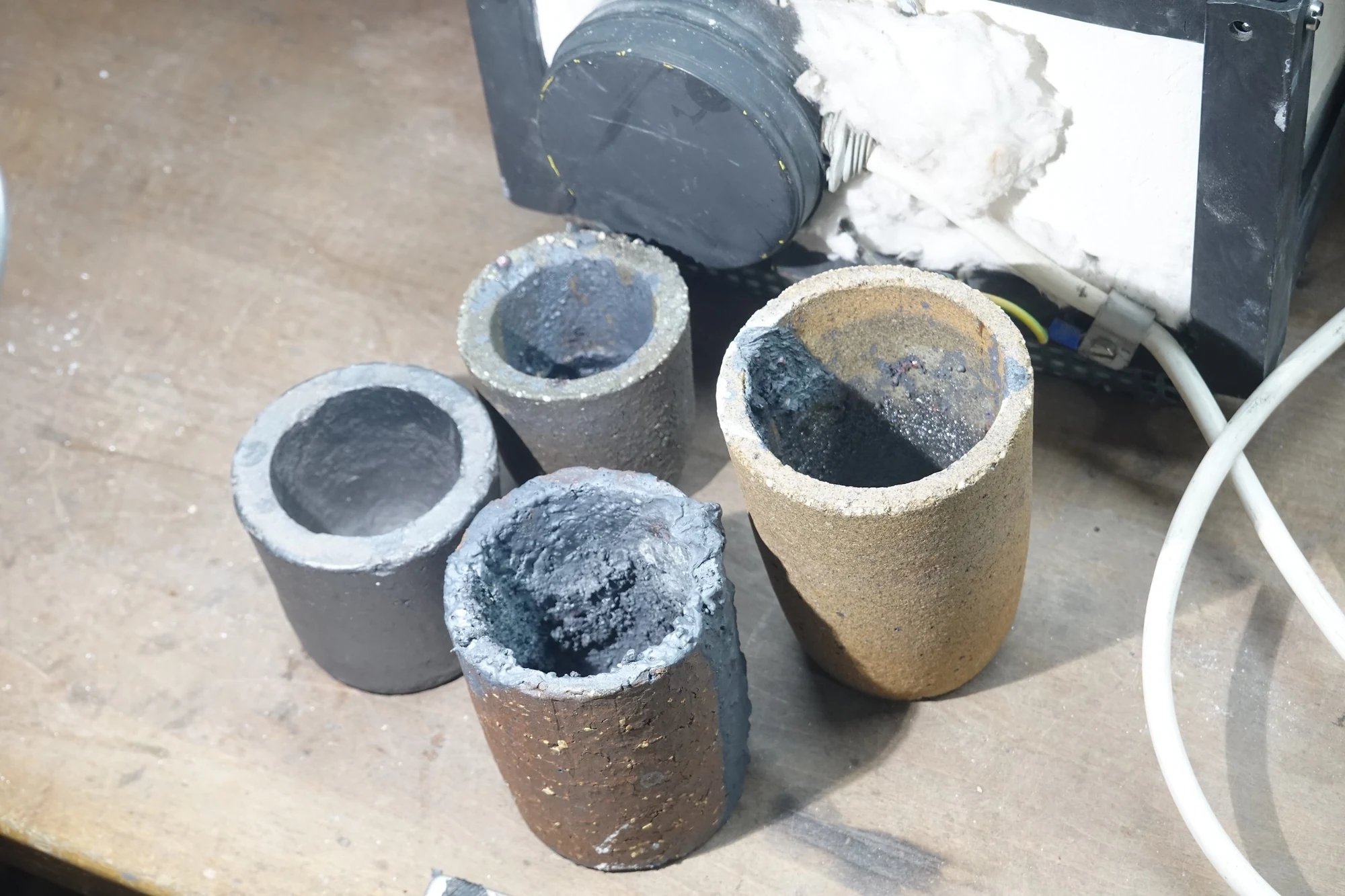
A narrow cylinder constrains the expanding worms differently from a wider vessel. Material can bridge, lean against the wall, or form an uneven top surface. If one laboratory taps or settles the container and another reads immediately without disturbance, the apparent volume can change even though the expanded material came from the same test portion.
The reading instruction should therefore state how the top of the expanded material is interpreted. Is the laboratory reading the highest point, a visually averaged level, a specified graduation nearest the bulk surface, or another defined criterion? The method should answer that question. Operators should not develop personal “best judgment” rules that differ from shift to shift.
Container cleanliness and condition also matter. Residue, deformation, or surface contamination can change how expanded graphite moves against the wall. A calibrated volume scale does not compensate for a container that is physically damaged or used differently from the agreed method.
Photographic records can help when a buyer is qualifying a new laboratory or investigating a dispute. A photograph is not a substitute for the defined reading method, but it preserves evidence of unusual bridging, tilted surfaces, container filling, or other visible conditions that can explain an outlier result.
Repeatability, Replicates, and Lab-to-Lab Comparison
A single test result should not be assumed to describe method repeatability. Replicate testing and reference-material checks help separate ordinary test variation from a real material shift.
When the agreed method calls for replicate determinations, use the specified calculation and acceptance logic. When a company adds its own repeat checks for quality control, document that internal rule separately so it is not mistaken for a requirement of the national standard. The purpose is to learn how stable the laboratory process is under normal operation.
A retained control sample is useful for detecting laboratory drift. If its reported expansion changes over time, investigate the furnace, container, operator practice, and sample storage before attributing the trend to production lots.
Lab-to-lab comparison should begin with method alignment. Exchange the written procedure, identify the furnace and container, confirm sample mass and conditioning, and compare how each laboratory defines timing and the volume reading. Then test a shared reference and, if needed, the disputed lot. Without that sequence, sending more samples back and forth can produce more numbers without resolving the reason they differ.
A buyer who uses a third-party laboratory should also send the required method and acceptance basis with the sample. “Test expansion volume” invites the laboratory to apply its default procedure. That may be technically reasonable but commercially non-equivalent to the method used to qualify the supplier.
Development tests may deliberately vary heating conditions to explore a process window. Keep those results separate from routine release data; lot-to-lot COA comparisons should stay on one agreed production method.
For qualification or dispute work, preserve enough raw data to reconstruct the reported mL/g result. Sample mass, raw volume, replicate values, and rounding can explain an apparent shift that the final averaged number alone cannot.
Changing laboratories is a measurement-system change. Test retained material on both bases, document any systematic shift, and agree which procedure will control release before the new laboratory starts accepting or rejecting production lots.
Write the Test Method into the Purchase Specification
The purchase specification should bind the expansion-volume acceptance value to a named method or fully defined internal procedure. The method is part of the requirement, not supporting paperwork.
A usable RFQ or purchase specification should identify:
- Material and grade: the expandable graphite being purchased.
- Expansion-volume method: current applicable standard or controlled agreed procedure.
- Sample basis: lot sampling and conditioning requirements.
- Test portion: sample mass and preparation specified by the method.
- Heating sequence: temperature, time, insertion/recovery logic, and furnace conditions as defined by the method.
- Measuring container: geometry and volume-reading procedure.
- Replicates/calculation: how the reported result is produced.
- Acceptance value: derived from the qualified grade, customer specification, or approved trial—not from an unrelated supplier brochure.
- COA reporting: result, method identity, lot identity, and any agreed test remarks.
Where GB/T 10698-2023 is the applicable product reference, state the current edition and verify how the buyer’s project-specific requirement fits it. Do not write “GB/T 10698” without checking the edition if the company historically used the superseded 1989 version. A standard number without version control can preserve an old test basis inside a new purchase order.
If an application uses a different customer-approved method, keep that method explicit. A supplier can meet a national product standard and still need a customer-specific expansion test for a qualified formulation. The two records should not be silently merged.
The fastest way to resolve many expansion-volume disputes is to agree on the reference method before arguing about the material. A shared procedure, retained reference sample, and documented cross-test can show whether the disagreement comes from method, sampling, or the production lot.
Use a staged investigation. First compare written methods line by line. Second verify sample identity and how each laboratory reduced the lot to a test portion. Third run a retained reference material in both laboratories. Fourth, only after the method comparison is understood, run the disputed sample using the aligned procedure.
If the two laboratories cannot reproduce the same reference scale, do not use their raw values interchangeably for acceptance. Establish a common test site or a formally agreed correlation only if the quality system supports it. Correlation should not become an excuse for leaving the underlying procedure undefined.
Keep the sample IDs, actual test conditions, raw readings, and final disposition with the investigation. That record is enough to make a later recurrence comparable without turning routine testing into a documentation exercise.
Expansion volume becomes commercially useful when buyer and supplier can reproduce the conditions that produce the number. A method-bound requirement reduces false rejections and makes genuine lot variation easier to identify.