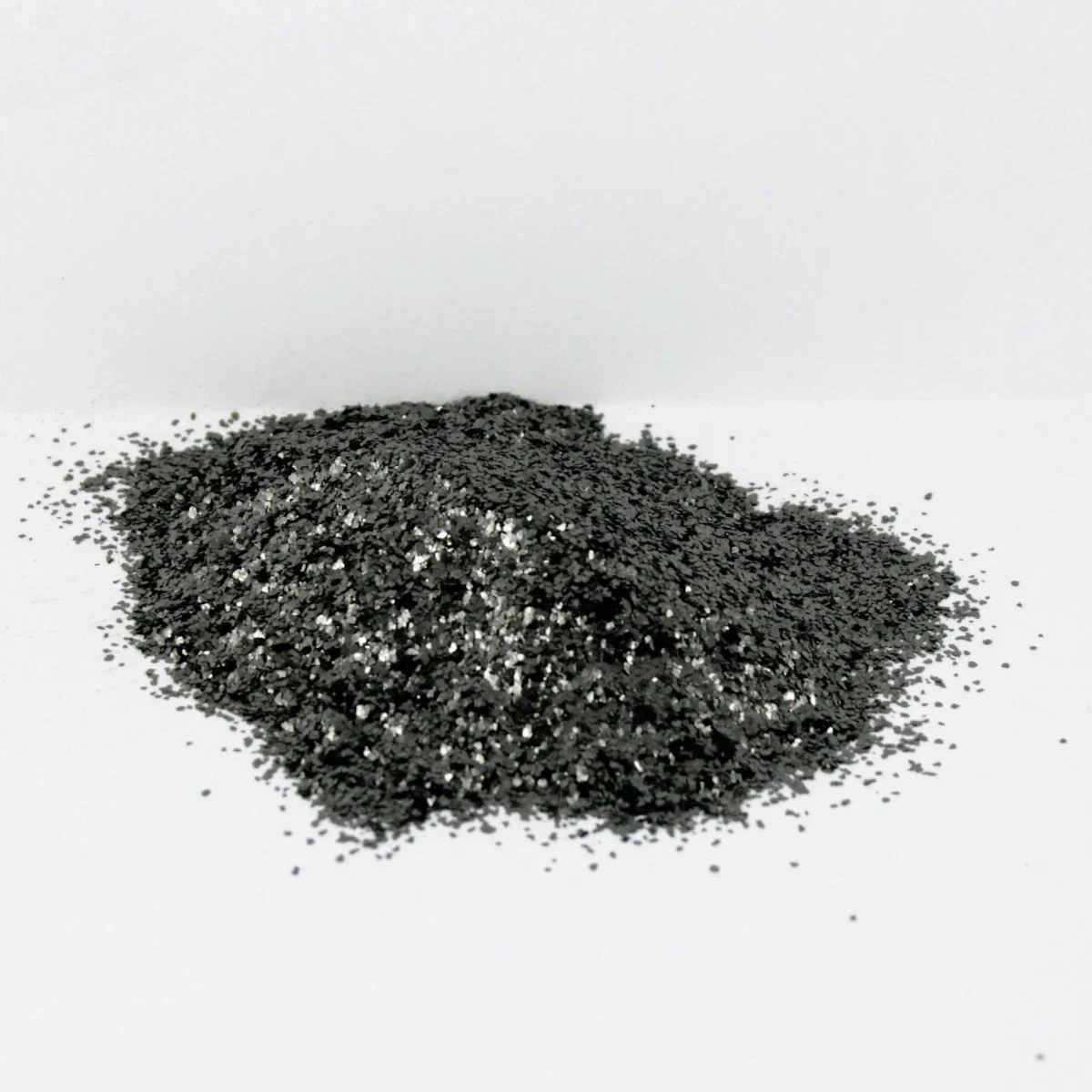
Two expandable graphite grades can show similar headline expansion data and still behave differently in a formulation, coating, fire-protection system, or downstream conversion process. The reason is simple: expansion volume is only one part of the material definition. Particle-size distribution controls how the flakes enter and distribute through the process, sulfur and other chemical limits can matter to sensitive systems, and the temperature at which expansion begins must fit the thermal event that is supposed to activate the material.
Start the purchase specification with the end use and work backward: what the material must do, how it will be processed, what can fail, and which result will release the lot. Choose the grade after those decisions. A successful sample proves fit only for the formulation and conditions actually tested.
China’s current national product standard for expandable graphite is GB/T 10698-2023, Expansible graphite, published in December 2023 and implemented on 1 July 2024. A buyer can use the current national standard as a product and test-reference framework, but the purchase order still needs application-specific limits, test conditions, lot identity, and acceptance rules. A standard name by itself does not tell the supplier which performance window has been qualified in the buyer’s formulation.
Start with the End Use, Not the Grade Name
The end use determines which expandable graphite parameters deserve priority and which results can remain secondary screening data. A coating formulator, a polyurethane-foam developer, and a converter preparing material for expanded-graphite products may all buy expandable graphite, but they do not expose the flakes to the same mixing forces, film thickness, thermal history, chemistry, or acceptance test.
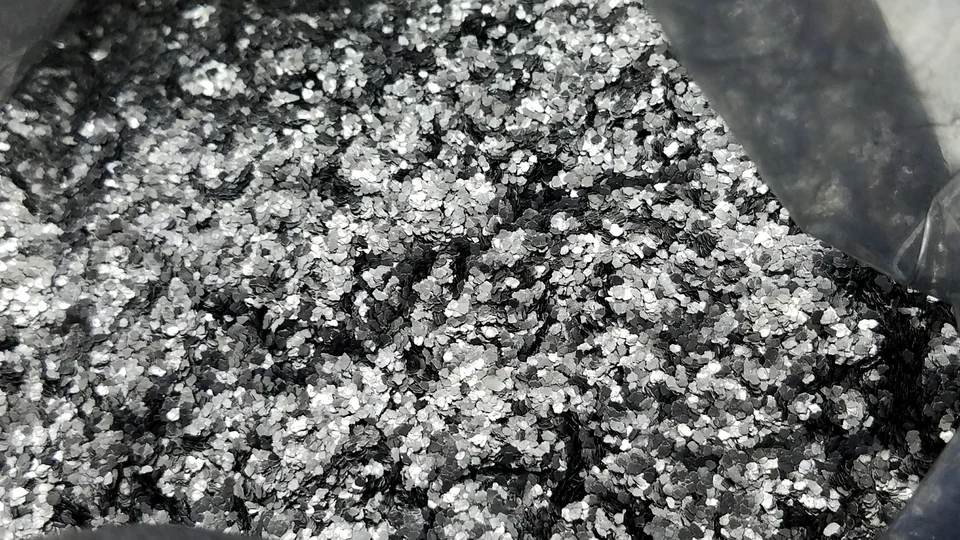
Begin with four practical questions. First, what thermal event is expected to trigger expansion? Second, how will the unexpanded flakes be mixed, pumped, coated, foamed, pressed, or otherwise handled before that event? Third, what chemical or contamination limits are imposed by the surrounding material or downstream use? Fourth, what finished-system test will decide whether the raw material is acceptable?
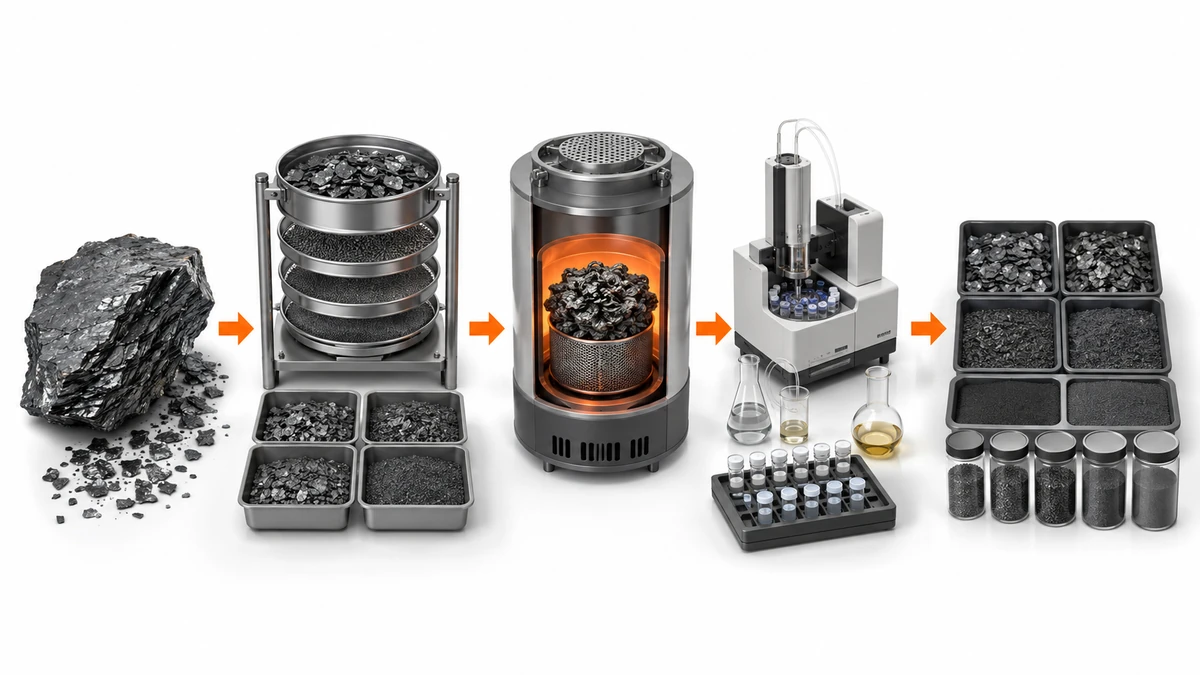
| End-use question | Raw-material parameter to control | Why the parameter matters | What still requires an application trial |
|---|---|---|---|
| When must expansion occur? | Expansion onset / defined expansion-temperature test | The material must remain stable through normal processing yet respond inside the intended thermal window. | The actual temperature history inside the foam, coating, composite, or converted product. |
| How must the flakes distribute before heating? | Particle-size distribution, retained/pass fractions, oversize and fines | Size distribution affects feeding, wetting, dispersion, surface texture, local concentration, and processing stability. | Mixing, pumping, coating, foaming, or other process behavior in the buyer’s equipment. |
| How much expansion response is required? | Expansion volume under a stated method | It provides a repeatable raw-material comparison only when temperature, sample preparation, and reading method are controlled. | Char structure, barrier formation, mechanical integrity, or other finished-system performance. |
| Is the system chemistry-sensitive? | Sulfur and other agreed chemistry fields | Chemical limits may be driven by corrosion, contamination, binder compatibility, downstream processing, or a customer specification. | Compatibility under actual service and processing conditions. |
This map prevents a common purchasing error: selecting a grade because one specification line looks stronger. A higher expansion-volume result does not automatically offset an unsuitable particle distribution. A lower sulfur number does not automatically make a grade better for an application that has no sulfur-sensitive mechanism. A lower expansion temperature is not automatically desirable when the material must survive a warm processing step before the intended fire or thermal event.
The expandable graphite product page can define the supplied material family, while the purchasing document should define the project-specific operating window. For fire-protection uses, the protective-coating and fire-protection application page provides the application context that should be translated into a raw-material trial plan.
Expansion Volume: What It Can and Cannot Tell You
Expansion volume is a raw-material response measured under defined heating conditions; it is not a stand-alone prediction of the finished product’s fire or thermal performance. The result becomes useful for purchasing only when the supplier and buyer use the same test basis.
The measurement depends on more than the graphite itself. Sample mass and conditioning, heating temperature, exposure time, furnace stability, container geometry, the way the expanded material is allowed to develop, and the method used to read volume can all influence the reported result. Comparing two certificates without checking those conditions can create a false difference between grades or hide a real one.
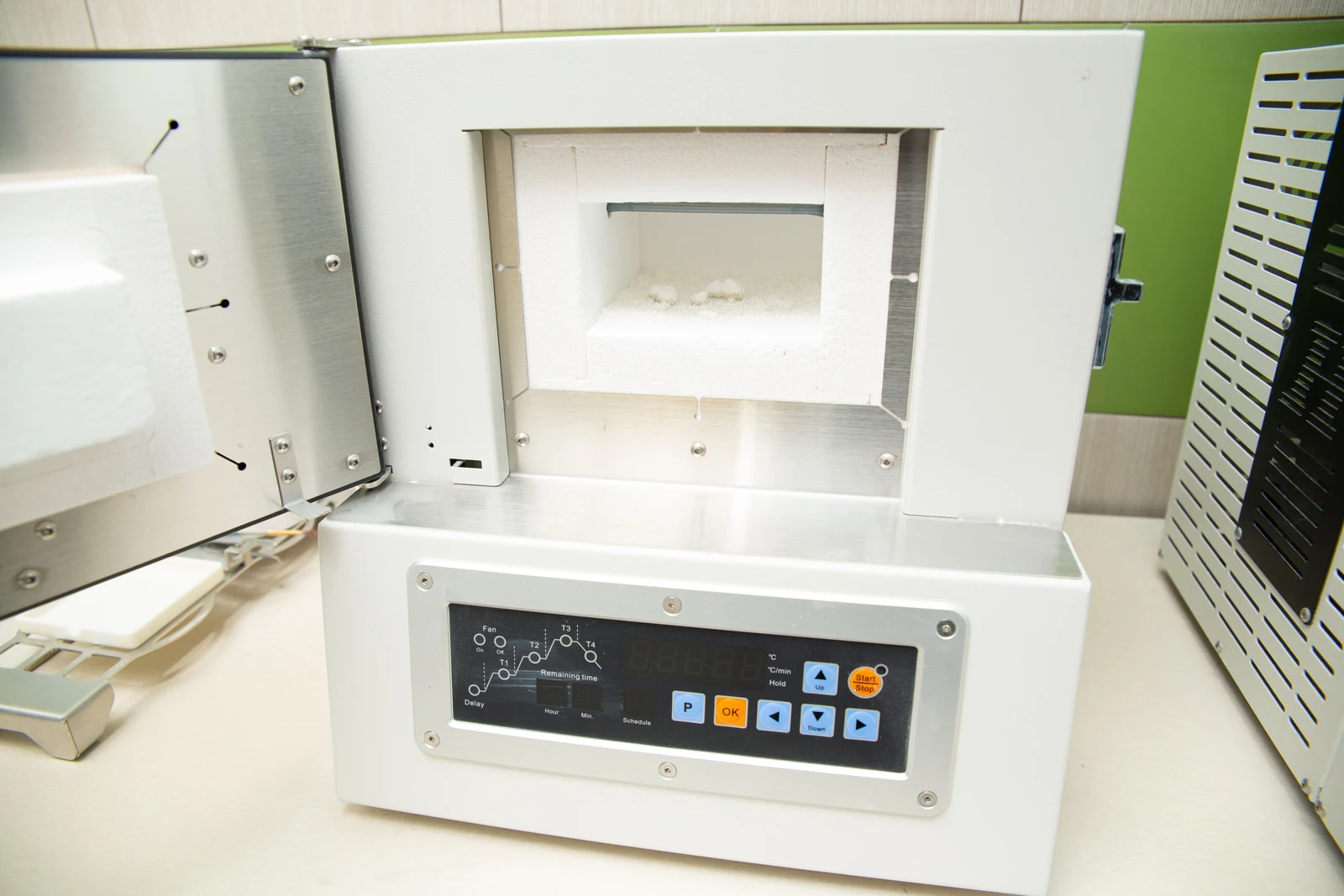
An RFQ should pair the expansion-volume value with the agreed test method and heating condition. If qualification used one method and the production COA uses another, do not compare the numbers directly until the two methods have been shown to be equivalent.
Expansion volume also says little about how the expanded structure behaves once it is embedded in another material. A coating can restrict expansion mechanically. A polymer matrix can change heat transfer and gas release around the flakes. Particle distribution can leave local areas rich or poor in graphite. Other ingredients may soften, cure, decompose, react, or release gases in the same temperature range. The finished system therefore needs its own performance test even when the raw-material expansion result is stable.
Use expansion volume as a screening and incoming-control parameter. It is useful for comparing lots on one method and detecting shifts after approval, not for creating a universal “higher is better” ranking.
The expandable graphite expansion-testing guide covers the effect of heating conditions and method selection in more detail. In this selection guide, the purchasing rule is narrower: the number and the method must travel together.
Particle Size: Handling, Distribution, and Application Fit
Particle-size distribution determines how expandable graphite enters the process before expansion, so it must be specified as a distribution rather than as one convenient mesh label. Oversize, target fraction, and fines can affect the job in different ways.
Coarser flakes may be useful in one application because they preserve a larger flake structure, while the same fraction may create surface defects, feeding difficulty, or nonuniform distribution in a thin coating or constrained formulation. Finer material may distribute more easily in some systems, yet a change in fines can alter viscosity, apparent bulk behavior, dusting, wetting demand, or the way the material occupies the surrounding matrix. These effects depend on the formulation and process; they are reasons to test the distribution, not universal rules that one size is superior.
When an expandable graphite grade is specified by mesh, the technical specification must define whether the mesh value represents a nominal grade, a minimum retained fraction, a maximum oversize limit, a passing requirement, or a complete sieve distribution. If retained and passing requirements are omitted, a label such as “80 mesh expandable graphite” can be interpreted in different ways.
China’s current GB/T 3520-2024, Test method for fineness of graphite, took effect on 1 May 2025. Where that method is applicable to the agreed particle-size control, the RFQ and certificate should identify it rather than relying on an uncontrolled internal mesh label alone. The broader natural flake graphite processing guide also explains why retaining the required size fraction can be as important as raising carbon grade.
A practical incoming check records the lot, sample location, sample preparation, sieve or particle-size method, and the distribution result. Sampling matters because flakes can segregate during filling, transport, vibration, and handling. A top-of-bag sample that contains a different fraction of coarse particles from the lower portion can create a misleading pass or fail result if the sampling plan is not defined.
For PU foam, particle size has to be qualified against mixing and foam structure, not merely against a screen. For intumescent coatings, it must be qualified against dispersion, film build, surface condition, storage, and the final fire-response test. Those application-specific decisions are treated separately in the PU foam trial guide and the intumescent-coating selection guide.
Sulfur and Chemistry Limits for the Intended Use
Sulfur and other chemistry limits should be set only when the intended application, customer specification, downstream process, or material-compatibility assessment gives them a reason to exist. “Low sulfur” is not a complete grade definition because the buyer still needs a numerical limit, a test method, a sampling basis, and a statement of what sulfur result is being reported.
Expandable graphite is produced by modifying natural graphite so that species introduced between graphite layers can generate the expansion response during heating. The chemistry and washing route influence the residual chemical profile. That makes chemistry relevant, but it does not justify copying the tightest sulfur value found in another industry into every RFQ.
Separate a supplier’s “low sulfur” grade label from the buyer’s contractual limit. The latter needs a numerical requirement, method, and application reason; otherwise the two descriptions are not equivalent.
Sulfur is only one chemistry field. Fixed carbon, ash, moisture, pH, volatile content, and application-specific impurities may matter independently. GB/T 3521-2023, Methods for chemical analysis of graphite, provides a current national reference; the purchase specification still needs to identify which results are contractual for the application.
Initial qualification can use a broader chemistry panel; routine release can then focus on the smaller set of fields shown to affect the application.
The dedicated low-sulfur expandable graphite guide develops this decision further, including how sulfur requirements should be tied to sampling, method, COA reporting, and the economic cost of over-specification.
Expansion Temperature and the Process Window
Expansion temperature must fit between normal processing exposure and the thermal event that is supposed to activate the graphite. A reported “start temperature” is useful only when the buyer knows how it was determined and how it relates to the real temperature history of the finished system.
Three temperatures are often confused. The first is the temperature used by a laboratory to measure expansion volume. The second is the observed onset or activation range under a defined test procedure. The third is the temperature-time history experienced by the graphite inside the buyer’s product. They can be different, and one should not be substituted for another in an RFQ.
Consider a material that passes through warm mixing, drying, curing, storage, or post-processing before service. The graphite should not undergo premature expansion during those normal operations. At the other end of the window, the selected grade must respond early enough to participate in the intended protective mechanism when the product is exposed to abnormal heating or fire. The gap between those two events is more useful than a supplier label such as “low-temperature” or “high-temperature” grade.
The process window also depends on heat transfer. A furnace setting, flame temperature, panel surface temperature, foam interior temperature, and temperature at an individual graphite flake are not the same measurement. Thickness, binder, polymer, other fillers, gas generation, thermal conductivity, moisture, and exposure time can delay or accelerate the temperature seen by the expandable graphite.
This is why application trials should record time and temperature rather than only a final pass/fail result. For a PU foam formulation, the trial needs to distinguish processing behavior from fire activation. For an intumescent coating, it needs to distinguish curing and service exposure from the fire-response window. A raw-material certificate can support those trials, but it cannot replace them.
Build the RFQ and Incoming-Acceptance Checklist
A workable expandable-graphite RFQ separates identification, qualification data, contractual release characteristics, and application-test requirements. That separation gives purchasing, quality, and formulation teams the same definition of what is being bought.
| RFQ field | What to state | Why it belongs in the order |
|---|---|---|
| Application | PU foam, intumescent coating, expanded-graphite conversion, or other defined use | Prevents a supplier from treating one generic grade as suitable for every process. |
| Material identity | Expandable graphite product family, approved grade if known, and raw-material basis where relevant | Links the quote, sample, COA, labels, and repeat order. |
| Expansion volume | Required range or minimum together with the agreed method and heating condition | Makes supplier and incoming results comparable. |
| Particle size | Target fraction plus oversize/fines or full distribution, with method | Avoids ambiguous single-mesh descriptions. |
| Sulfur / chemistry | Only application-relevant limits; define the reported property and method | Prevents “low sulfur” from functioning as an undefined marketing label. |
| Expansion temperature | Defined onset or response requirement together with the test basis | Connects raw material to the actual processing and activation window. |
| Supporting chemistry | Fixed carbon, ash, moisture, pH, volatile matter, or specified impurities where relevant | Controls independent variables that expansion volume alone cannot describe. |
| Lot and COA | Lot number, production date or traceable batch reference, certificate fields, and sampling basis | Ensures the tested sample represents the delivered material. |
| Change control | Changes that require notification or requalification | Protects a successful formulation from silent raw-material changes. |
| Application trial | Buyer’s qualified formulation, process conditions, and finished-system test | Separates raw-material conformity from application performance. |
The incoming plan does not have to retest every qualification characteristic on every bag. It should focus on the characteristics that can change the application and that can be measured with enough repeatability to support an acceptance decision. Lot identity, COA review, appearance, particle-size control, moisture where relevant, expansion response, and the agreed chemistry fields can be assigned different frequencies according to risk and production history.
When a new grade is being evaluated, keep the raw-material sample and the finished-system sample connected. Record the graphite lot, formulation revision, addition level, mixing sequence, process conditions, specimen preparation, test method, and result. If the trial succeeds, those records become the basis for the repeat-order specification. If it fails, they show which variable actually changed.
References and Sources
- National Standard Information Public Service Platform — GB/T 10698-2023, Expansible graphite. Current Chinese national product standard; published 28 December 2023 and implemented 1 July 2024.
- National Standard Information Public Service Platform — GB/T 3520-2024, Test method for fineness of graphite. Current Chinese national fineness-test standard; implemented 1 May 2025.
- National Standard Information Public Service Platform — GB/T 3521-2023, Methods for chemical analysis of graphite. Current Chinese national chemical-analysis standard; implemented 1 July 2024.