Technical Guides & Industry Knowledge
Graphite Raw Materials
Natural and processed graphite raw material specifications, purification, supply and procurement guidance.
Read More →
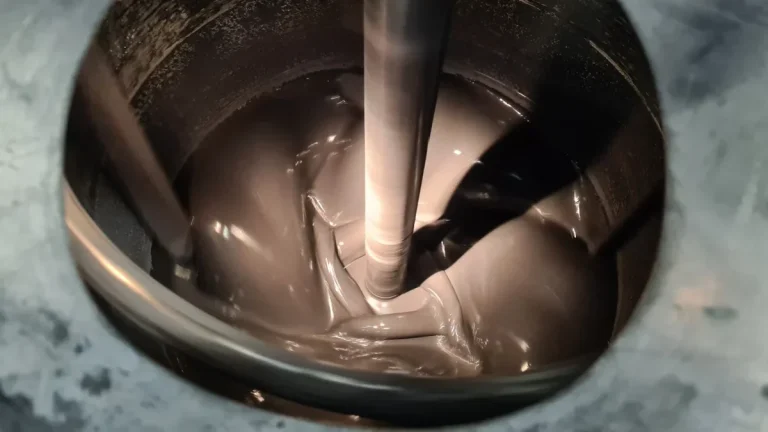
Graphite Powder for Conductive Coatings: Selection and Dispersion
Conductive coating performance depends on more than graphite purity or one particle-size number. This guide works backward from electrical and film failures to powder type, PSD,...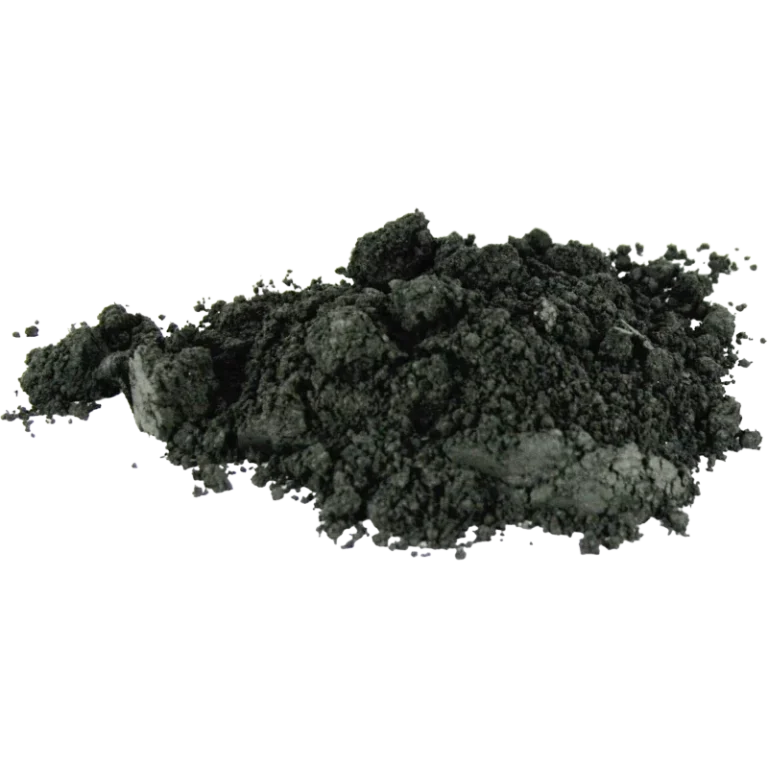
Micronized Graphite Powder: D50, D90, and PSD Selection Guide
Micronized graphite powder cannot be specified by D50 alone. This guide explains how D50, D90, distribution tails, dispersion state, measurement method, and process sensitivity should be...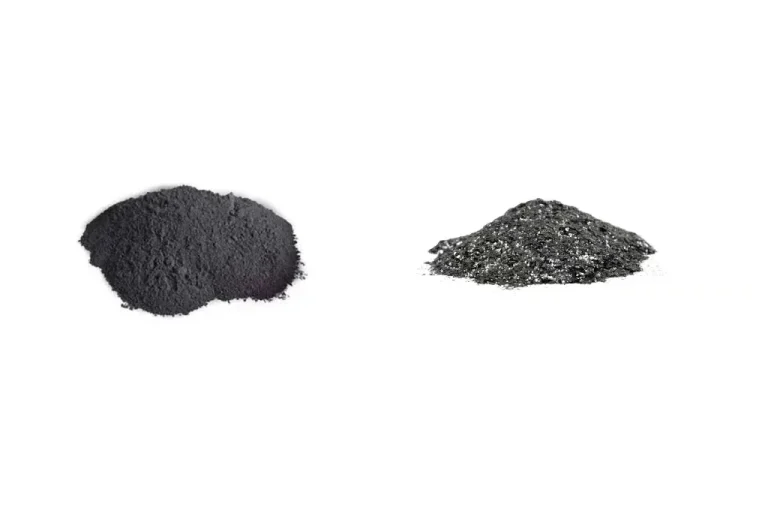
Natural vs Synthetic Graphite Powder for Industrial Formulations
Natural and synthetic graphite powders should be compared by the job they perform in the formulation, not by the material label alone. This guide shows which...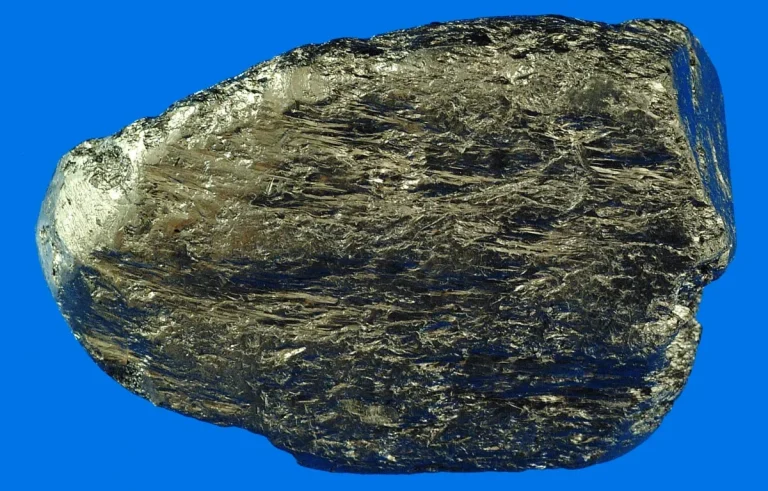
Low-Sulfur Expandable Graphite: Sulfur Limits and Test Methods
“Low sulfur” is not a complete purchase specification. A usable requirement defines why sulfur matters, which result is being measured, the agreed method and sampling basis,...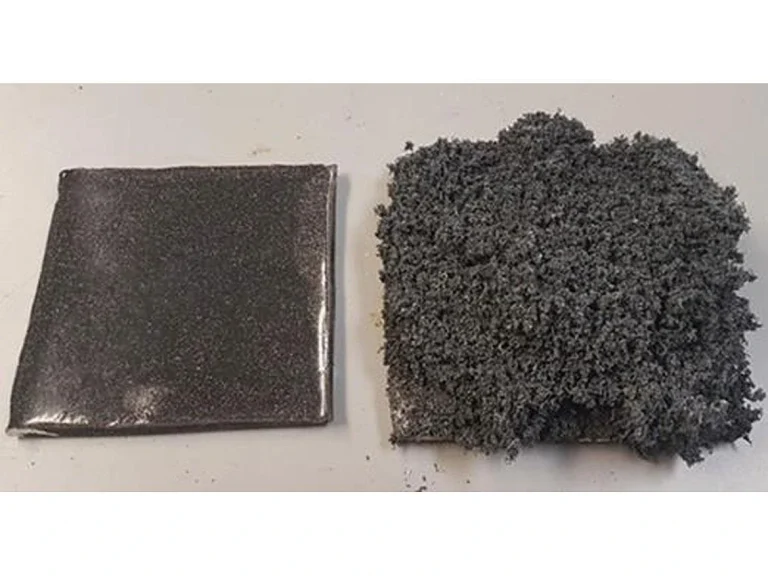
Expandable Graphite for Intumescent Coatings: Grade and Compatibility Guide
Expandable graphite should be qualified inside the complete coating system. Binder chemistry, cure schedule, particle-size distribution, film build, storage stability, and the fire-test method can change...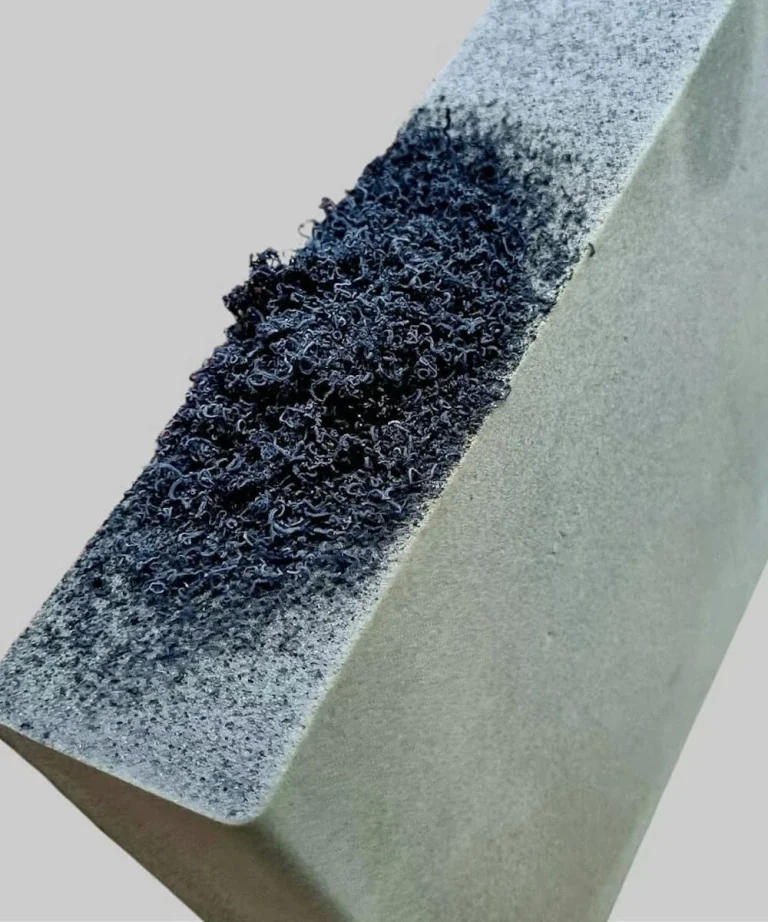
Expandable Graphite for PU Foam: Trial and Specification Guide
A PU foam trial can fail even when the expandable graphite certificate looks acceptable. The useful question is whether the grade fits the foam’s processing window,...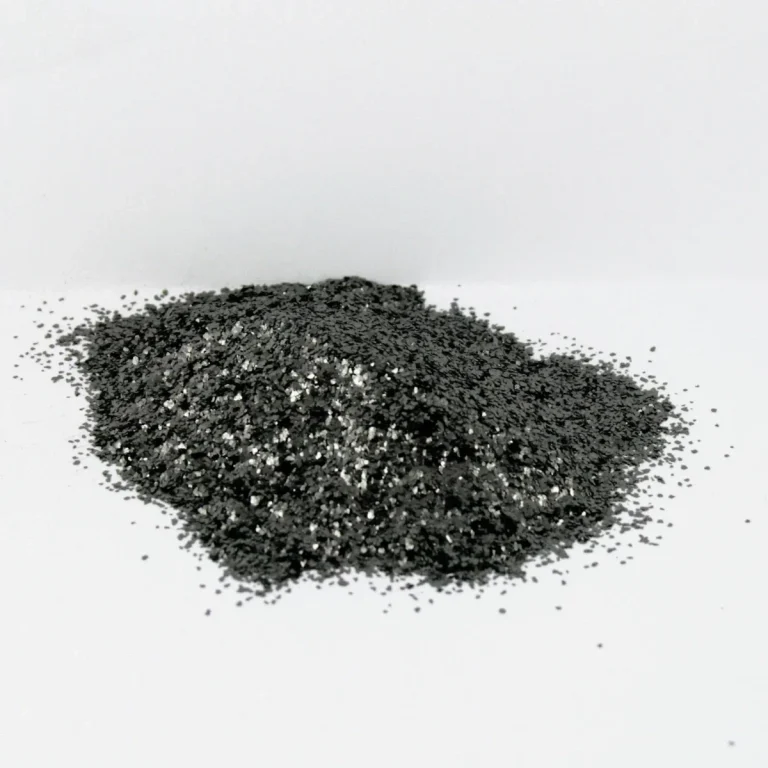
Expandable Graphite Selection: Volume, Particle Size, Sulfur, and Onset
Expandable graphite grades should be selected by the application and test method rather than one headline number. This guide shows how expansion volume, particle size, sulfur,...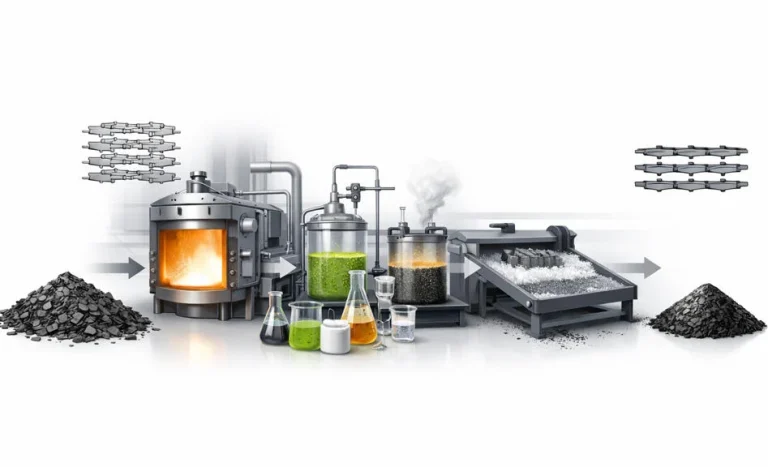
Graphite Purification Methods Compared: Purity, Cost, Residues, and Order Specifications
Graphite purity cannot be defined by carbon percentage alone. This comparison explains flotation, acid leaching, alkali roasting, high-temperature purification, and chlorination routes, showing how each method...