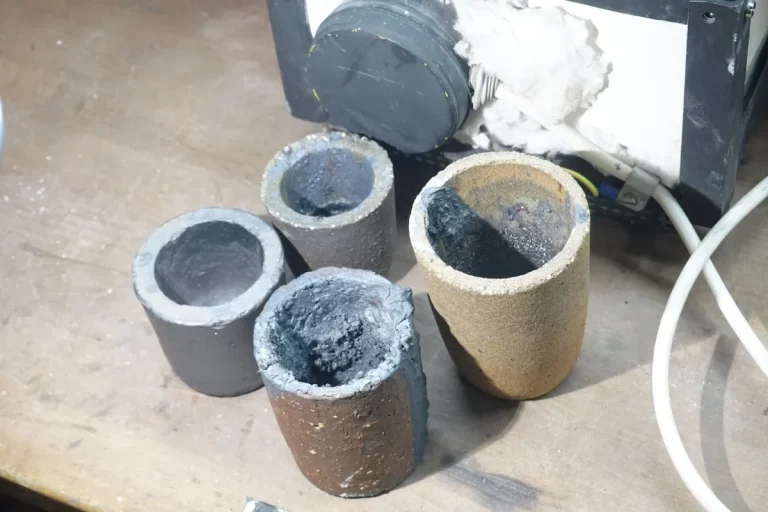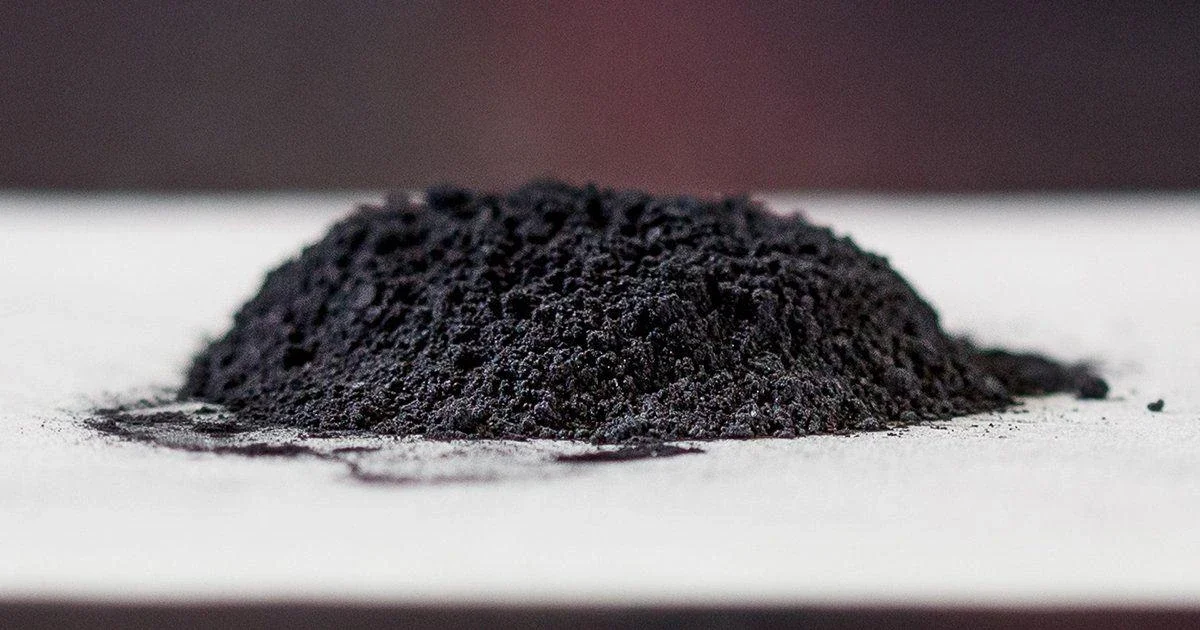
“Battery-grade graphite” should be treated as the start of a material discussion, not the end of one. The label can refer to natural graphite that has been beneficiated, purified, shaped, classified, and surface-modified; synthetic graphite produced through carbonization and graphitization routes; or modified and blended systems that combine different particle architectures or surface treatments. Those routes can all lead to materials intended for lithium-ion battery anodes, but they do not create one interchangeable powder.
China’s current national product reference GB/T 24533-2019, Graphite negative electrode materials for lithium ion battery, defines the product category. For sourcing, the meaningful question is whether the material family and processing history, powder data, lot control, and electrode/cell results fit the buyer’s process—not whether the supplier can use the label “battery grade.”
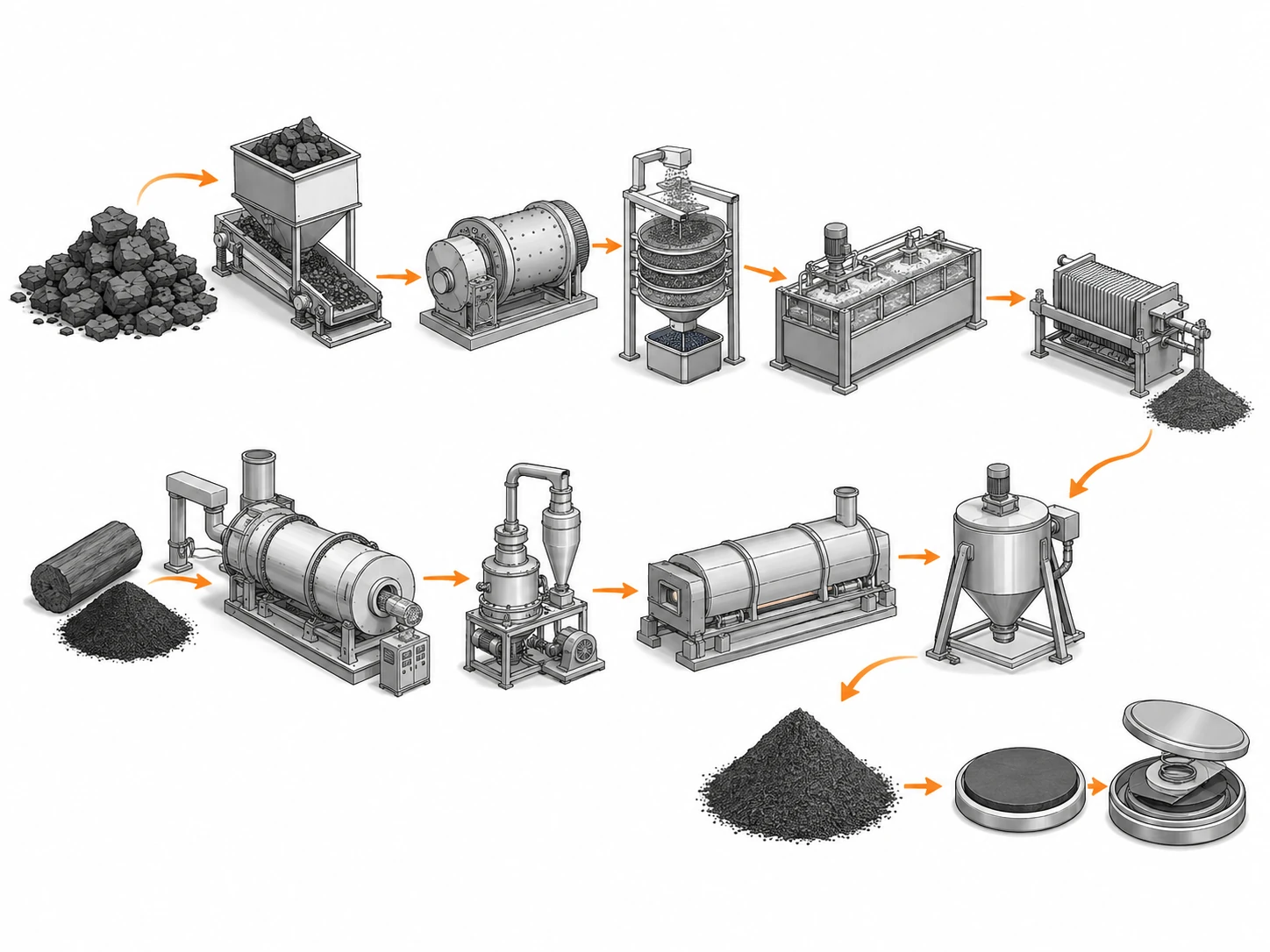
The qualification map below separates material identity from later qualification. Natural-versus-synthetic selection, spherical-particle architecture, BET interpretation, and electrode/cell qualification are treated as separate decisions so that one parameter is not asked to answer four different questions.
What “Battery-Grade Graphite” Actually Covers
Battery-grade graphite covers a family of anode materials whose suitability depends on controlled powder properties, surface condition, electrochemical behavior, process compatibility, and repeat-lot consistency rather than on the grade label alone.
At the broadest level, buyers usually encounter natural graphite routes, synthetic graphite routes, and modified systems. Natural graphite starts from mined flake material and passes through beneficiation, purification, size control, shaping where required, and surface treatment. Synthetic graphite starts from controlled carbonaceous precursors and passes through thermal processing, graphitization, milling, classification, and finishing. Modified materials may add coating, shaping, blending, or another controlled treatment to tune the particle surface or architecture.
The same family name can cover very different materials. Natural grades can vary in flake origin, purification, spheroidization, PSD, surface treatment, and impurities; synthetic grades can vary in precursor, thermal history, particle shape, graphitic structure, surface area, and lot consistency. The route label identifies the starting family, while the data package and application trial establish whether a candidate actually fits.
Note: “Natural,” “synthetic,” “spherical,” and “coated” describe different dimensions of the material. A powder can be natural and spherical, synthetic and coated, or part of a blend. Do not use one descriptor as if it automatically defines all the others.
Natural Graphite Route: Where the Material Changes
The natural route changes the powder at several stages, and each stage can alter a property that later appears in the anode data package. Treat beneficiation, purification, sizing, shaping, and surface treatment as distinct process steps rather than one generic “natural graphite” route.
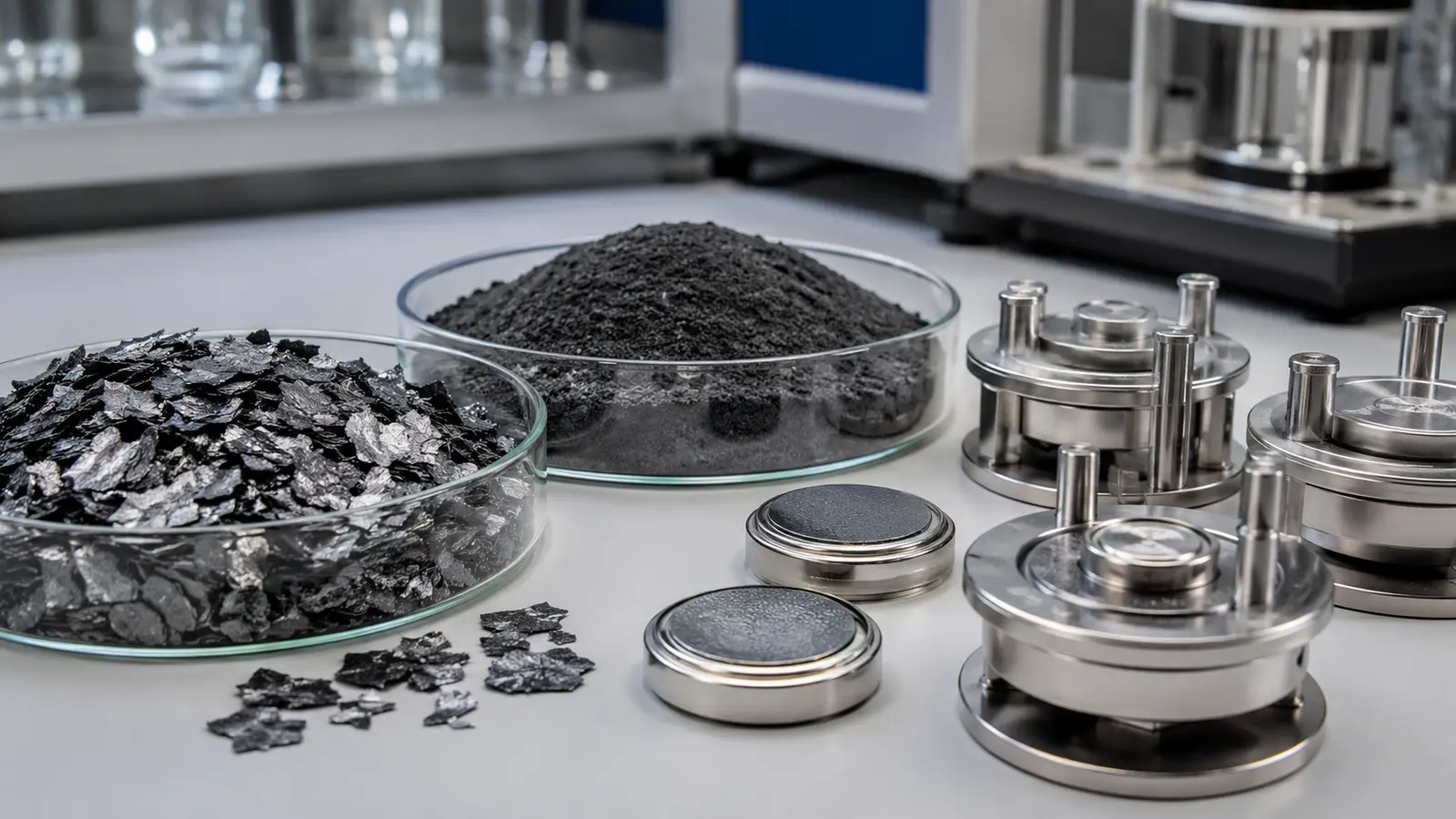
Beneficiation removes gangue and concentrates the graphite fraction. Purification then reduces the impurity profile to the level required by the intended application and downstream process. Size reduction and classification control the particle population. Spheroidization, where used, changes particle architecture and packing behavior. Surface treatment or coating can then change interfacial behavior without turning the material into a different feedstock family.
Each step has a purchasing implication. If the buyer cares about trace chemistry, the purification and contamination-control history matters. If electrode processing is sensitive to particle distribution, the classification and handling state matter. If tap density and packing are important, particle shape and the spheroidization route matter. If the surface is modified, the treatment must remain part of the qualified material identity.
The older natural flake graphite processing guide explains the industrial route from ore to application-ready flake graphite. Battery-anode qualification adds another layer: the material is judged not only as a purified powder, but as a powder that must reproduce an electrode process and cell result.
Natural graphite is therefore not “better” or “worse” by route alone. The route defines which variables need to be controlled and which failure mechanisms the buyer should investigate during qualification.
Synthetic Graphite Route: Where the Material Changes
The synthetic graphite route changes the material through precursor selection, carbonization, graphitization, milling, classification, and finishing, so the final anode powder must be evaluated by the properties created by those steps rather than by the word “synthetic.”
Precursor choice influences the starting carbon structure and impurity context. Thermal processing develops the graphitic structure and can remove or transform certain volatile or impurity components. Milling and classification then create the particle-size distribution and morphology that the electrode process actually sees. Surface finishing or coating can further change the behavior at the particle-electrolyte interface.
For procurement, synthetic routes often raise strong change-control questions. A precursor change, graphitization change, milling change, or classification change can alter the delivered material even when the supplier keeps the same commercial name. The buyer should identify which supplier changes require notification and which require partial or full requalification.
The detailed natural versus synthetic graphite anode comparison focuses on the decision between the two route families. This guide does not rank them. Its role is to show that route identity is only one layer of qualification.
Modified, Coated, and Blended Material Architectures
Modified, coated, and blended graphite systems should be treated as controlled material architectures because the added treatment can change surface, packing, process, or electrochemical behavior without being obvious from a basic fixed-carbon or PSD result.
Coating can alter the surface that first interacts with binder, electrolyte, and formation conditions. Spheroidization changes particle shape and packing. Blending can combine particle populations with different size, morphology, surface area, or processing history. Other modifications may target surface chemistry, particle integrity, or process compatibility.
Record coating, blending, shaping, and other important finishing steps as part of the material identity. A change in one of them can alter electrode processing even when the incoming powder still passes several headline COA fields.
This is where a simple COA becomes insufficient. A repeatable material definition may need particle-size data, tap-density or packing data, BET surface area, selected chemistry, morphology evidence, moisture, and other fields supported by the application. The exact list should come from the qualified product, not from a generic “battery-grade” checklist.
The spherical graphite guide goes deeper into particle shape, tap density, and PSD. The BET surface-area guide explains what surface area can and cannot tell the buyer about a modified anode material.
The Core Data Package Buyers Use to Screen Anode Materials
The core screening package should cover material identity, particle distribution, packing-related data, surface-area data, chemistry, moisture, and traceable lot evidence, while leaving final performance to the electrode and cell qualification stages.
| Data group | What it helps screen | What it cannot prove by itself |
|---|---|---|
| Material family and modification | Natural/synthetic family, shaping, coating, blend identity | Final cell performance |
| PSD | Central population, coarse tail, fine fraction, lot consistency | Electrode density or electrochemical result by itself |
| Tap density / packing-related field | How a powder packs under the stated method | Finished electrode density without process context |
| BET surface area | Accessible gas-adsorption surface under the stated method | Complete surface chemistry or irreversible capacity |
| Chemistry and impurities | Contamination risk and lot identity | Rate, life, or cell safety by itself |
| Moisture | Handling and process risk where moisture-sensitive | Complete electrode compatibility |
| Lot and change-control record | Traceability and repeat supply | Substitute for application testing |
The current Chinese national references help define several measurement frameworks. GB/T 24533-2019 covers the graphite-anode product category. GB/T 19587-2017 provides the national BET-method reference for solid specific surface area, while GB/T 19077-2024 provides the current laser-diffraction framework for particle-size analysis.
A test method makes results comparable; the acceptance window still comes from the selected material, electrode process, and cell program.
Keep the data package in layers. Routine COA fields release each production lot; broader morphology, surface, and method evidence belongs in qualification or change review; electrode and cell results belong with the buyer’s application program. Mixing all three layers makes the COA bloated and the qualification record less clear.
The supplier can certify the agreed incoming material; the battery developer must prove that material in the selected formulation, coating, calendaring, formation, and cell design. Keep those responsibilities separate.
Scale also matters. Powder that behaves consistently in a small laboratory batch can expose different feeding, mixing, dust, or coating behavior when the batch mass and equipment change. Include a scale-up checkpoint before treating the material as a production equivalent, so laboratory screening is connected to the process that will actually run. That checkpoint does not require inventing a universal production quantity; it requires using enough material to reproduce the process that will actually be controlled.
Separate Supplier Evidence from Battery Qualification
A graphite supplier can document and control the supplied powder; it cannot prove the buyer’s finished battery design from a COA or datasheet. The sourcing package should therefore separate supplier-controlled evidence from buyer-controlled electrode and cell evidence before anyone uses the word “qualified.”
| Evidence layer | Primary owner | What it can establish | What it cannot establish alone |
|---|---|---|---|
| Material identity | Supplier | Material family, modification, grade/lot identity, agreed change-control scope | Electrode manufacturability or cell performance |
| Powder release data | Supplier / agreed laboratory | Lot results for specified PSD, BET, moisture, chemistry, packing-related fields | Whether the buyer’s slurry, coating or cell will pass |
| Electrode-process trial | Buyer / battery developer | Mixing, coating, drying, calendaring and physical-electrode compatibility | Long-term cell result without cell testing |
| Cell qualification | Buyer / battery developer | Performance against the defined cell design and test protocol | Future supplier consistency without repeat-lot control |
| Repeat supply | Supplier + buyer | Whether approved powder and application behavior remain reproducible across lots | Permission for unreviewed supplier/process changes |
For sourcing, the handoff point is explicit: the supplier delivers an identified lot with the agreed powder evidence; the battery developer decides whether that lot enters an electrode trial. A material should not be called production-qualified merely because its powder data are complete. Conversely, a successful laboratory cell does not remove the need for lot identity, supplier change notification, and repeat-supply evidence.
This boundary also prevents a common sourcing error: asking the graphite supplier to guarantee universal capacity, efficiency, fast-charge, rate, or cycle-life numbers without the buyer’s cell design and test conditions. Those outcomes belong to the battery qualification program. The supplier’s responsibility is to make the agreed incoming material definition measurable, traceable, and repeatable.
After the buyer approves a candidate, repeat-lot confirmation closes the loop. Additional production lots should be checked on the powder fields that proved relevant and then passed through the buyer’s defined process at the level required by the qualification plan. The final supplier agreement should identify which material or process changes require notice, documentation review, partial requalification, or full requalification.
The dedicated graphite anode material qualification guide carries this handoff into a full Stage-Gate workflow. This guide stops at the boundary: identify the route, normalize the incoming evidence, assign responsibility correctly, and send only credible candidates into that deeper qualification process.
Caution: Do not use a supplier’s powder COA as a substitute for electrode or cell evidence. The COA controls incoming material; the buyer’s qualification controls how that material behaves in the actual battery system.
The related anode-material guides are most useful when the buyer follows the question rather than reading every article as if it were the same overview. Each page has a different decision role.
- Natural vs Synthetic Graphite Anodes — use this when the decision is which route family should enter qualification and which trade-offs need side-by-side evidence.
- Spherical Graphite for Lithium-Ion Anodes — use this when particle shape, tap density, and PSD are the main powder-architecture questions.
- Graphite Anode Material Qualification — use this when the team needs a Stage-Gate process from powder screening to electrode and cell evidence.
- BET Surface Area in Graphite Anode Materials — use this when BET is being over-interpreted or compared without enough method and morphology context.
For a new RFQ, start with the route and application, then ask for the data package that supports screening. For a supplier change, start with material identity and change history. For an apparent performance failure, work backward from the electrode or cell result to the powder fields rather than assuming the family label explains the cause.
QDZRT Graphite can discuss graphite material requirements against a defined technical request, but the buyer’s battery program must own the final qualification criteria. A useful inquiry therefore includes the intended anode route, current reference material if available, target particle information, surface-area and packing data where relevant, chemistry restrictions, sample quantity, and the electrode or cell stage the material will enter.
Write Material Identity as a Hierarchy, Not a Marketing Label
A purchase specification becomes clearer when material identity is written in layers. Start with the route family—natural, synthetic, or a defined blend. Add the particle architecture or finishing step only when it is controlled, such as spherical shaping or a specified coating route. Then attach the agreed release fields and the change-notification rules. This hierarchy keeps a commercial label from carrying more meaning than the data support.
The same hierarchy also simplifies supplier comparison. Two candidates can share the same broad route but differ in modification, particle distribution, surface condition, or lot-control evidence. Recording those differences explicitly makes later electrode or cell results easier to interpret because the team can trace performance back to a defined material identity rather than to a broad family name.
When several candidate routes remain viable after screening, keep the decision open until the controlled electrode and cell evidence is available. Route labels are useful for organizing the program, but they should not become a shortcut that causes the team to stop measuring the variables that actually control qualification.
Early in a battery program, the buyer may not yet know which powder fields should become contractual. Start with broader characterization and enough sample for controlled trials, then simplify routine purchase controls once the program shows which variables actually correlate with electrode and cell behavior.
Separate route identity from qualification status. “Natural,” “synthetic,” “spherical,” or “coated” describes what the material is; screening, electrode-trial, cell-qualified, and production-approved describe how far the evidence has progressed. A complete datasheet does not turn an early-stage sample into a qualified material.
At the sourcing stage, record which data are provisional and which are already contractual. That simple distinction prevents exploratory laboratory targets from turning into permanent supplier limits before the battery program has demonstrated that they matter.
References and Sources
- National Standard Information Public Service Platform — GB/T 24533-2019, Graphite negative electrode materials for lithium ion battery. Current Chinese national product reference.
- National Standard Information Public Service Platform — GB/T 19587-2017, Determination of the specific surface area of solids by gas adsorption using the BET method.
- National Standard Information Public Service Platform — GB/T 19077-2024, Particle size analysis—Laser diffraction methods.