Technical Guides & Industry Knowledge
QDZRT Graphite Blog & Technical Insights
Practical engineering insights, graphite machining best practices, material selection guides, and industry application case studies.
Read More →
Flexible Graphite Sheet Density and Compressibility: What Gasket Converters Should Control
Two flexible graphite sheets can have the same thickness and still cut, handle, compress, and recover differently. Density is one reason. This guide shows gasket converters...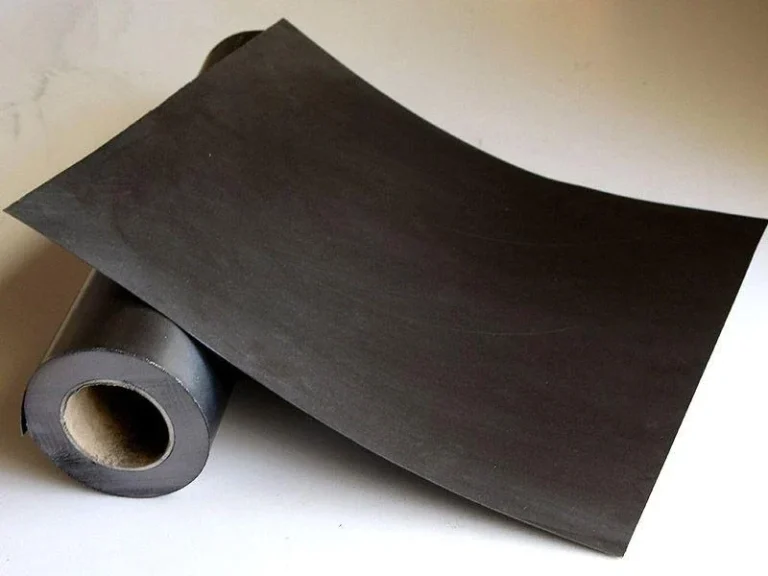
Reinforced Graphite Sheet: Foil Insert vs Tanged Insert for Gasket Manufacturing
Reinforced graphite sheet is not one construction. Smooth foil inserts and tanged inserts create different laminate structures, cutting behavior, edge conditions, and converter considerations. This guide...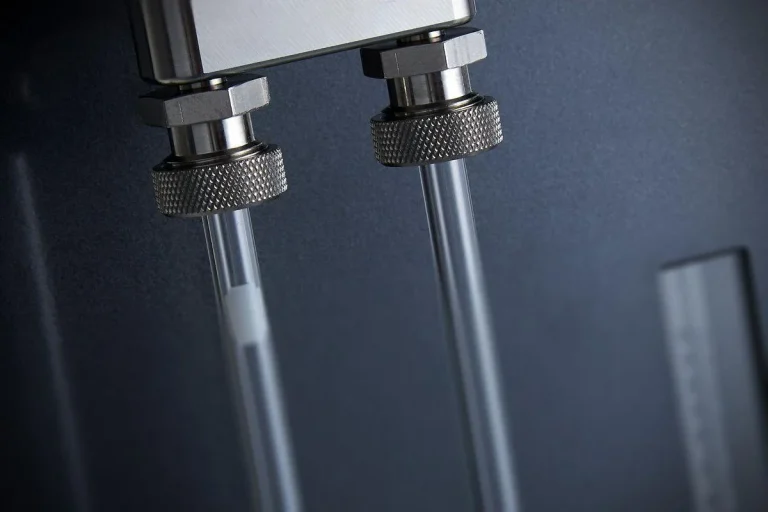
BET Surface Area in Graphite Anode Materials: What It Tells You—and What It Does Not
BET is useful because it quantifies gas-accessible specific surface area under a defined method. It is dangerous when treated as a stand-alone quality score. This guide...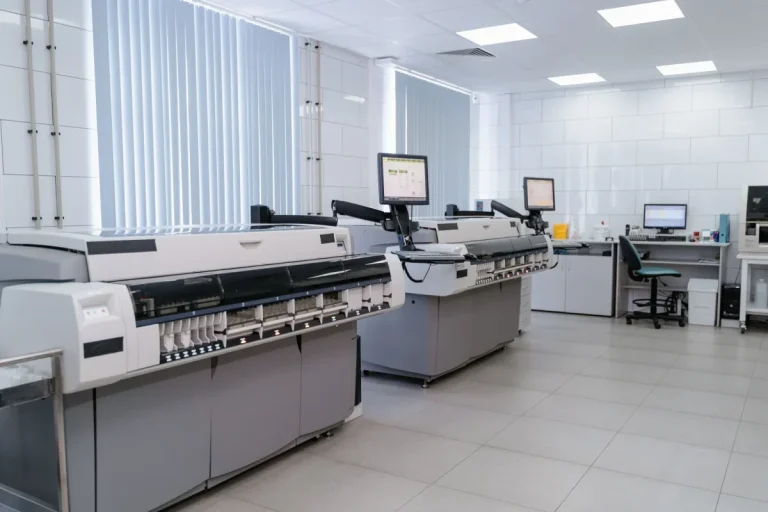
Graphite Anode Material Qualification: From Powder Data to Electrode Trial
A passing COA does not mean a graphite anode material is qualified for a battery system. This guide turns qualification into a Stage-Gate workflow from powder...
Spherical Graphite for Lithium-Ion Anodes: Particle Shape, Tap Density, and PSD
Spheroidization changes more than how graphite looks. Particle shape, packing, tap density, PSD, surface area, and downstream process behavior must be interpreted together before a spherical...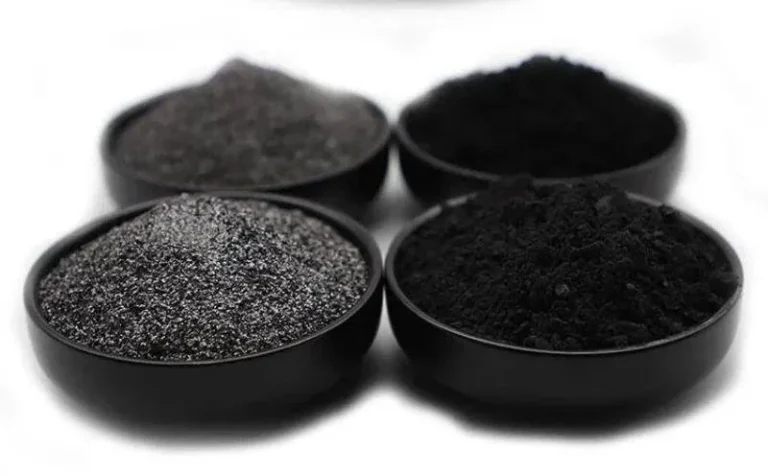
Natural vs Synthetic Graphite Anodes: Processing, Performance, and Qualification Trade-Offs
Natural and synthetic graphite anodes should not be ranked by one headline property. This guide compares the route families through the evidence a battery developer actually...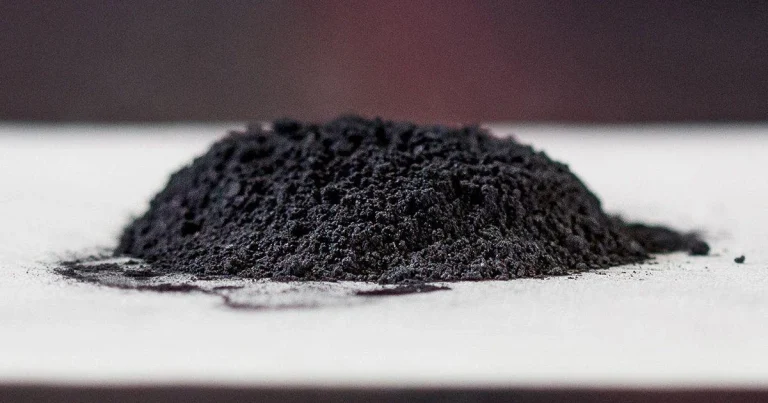
Battery-Grade Graphite Anode Materials: Natural, Synthetic, and Modified Routes Explained
Battery-grade graphite is not one material label. Natural, synthetic, spherical, coated, modified, and blended routes create different powder architectures and qualification questions. This guide maps the...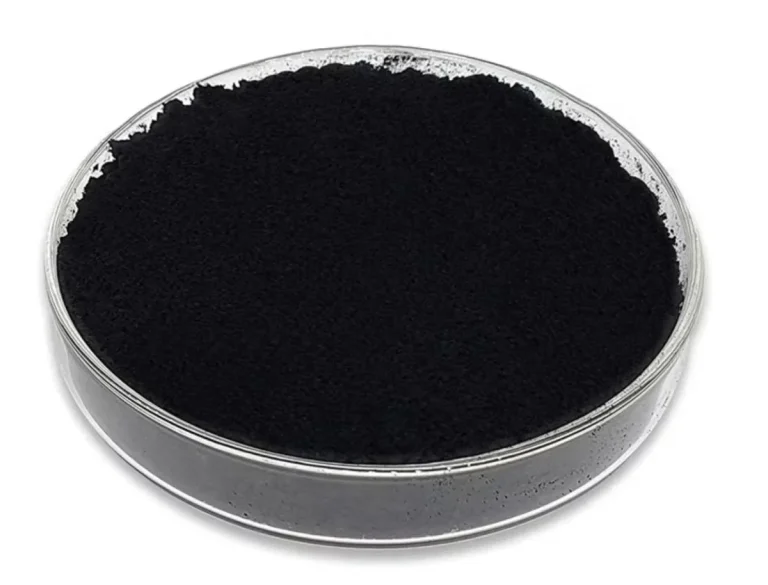
How to Read a Graphite Powder COA: Fixed Carbon, Ash, Moisture, PSD, and Trace Elements
Two graphite powder COAs can show similar numbers and still describe non-equivalent materials. This guide explains how to read the certificate as a controlled evidence package...